 Save
Save There's something about setting out a Turkish meze platter that turns an ordinary afternoon into something special. I discovered this magic the first time a friend invited me to help prepare one—I watched as they arranged each element on a worn ceramic plate, moving with the kind of ease that comes from repetition, and I realized this wasn't just food, it was a conversation without words. Every color, texture, and taste was an invitation to slow down and share something good.
I made this platter last summer for a small gathering on my balcony, and what started as an appetizer became the entire meal. People kept circling back, rearranging the cheeses, dipping pita into the hummus, and I realized that meze isn't meant to be eaten quickly—it's designed for lingering conversations and second helpings.
Ingredients
- Chickpeas (1 can, 400 g): The foundation of hummus—drain and rinse them well so your final dip stays smooth and light, not gritty.
- Tahini (2 tbsp): This sesame paste is what gives hummus its signature richness; stir your can before measuring because the oil separates.
- Extra-virgin olive oil: Use the good stuff you actually like tasting, because it matters here more than anywhere else.
- Garlic (1 clove, minced): One clove is enough—I learned this the hard way when I doubled it once and nobody could taste anything else.
- Fresh lemon juice (2 tbsp): Fresh is non-negotiable; bottled juice tastes different and changes the whole balance.
- Ground cumin (1/2 tsp): This warmth is what makes people say the hummus tastes like something they've had before but better.
- Feta cheese (100 g, cubed): Salty and crumbly, it's the anchor of the platter and worth buying from a good source if you can.
- Beyaz peynir or additional feta (100 g): A milder Turkish cheese that softens the intensity and gives you variety in one bite.
- Kasseri or halloumi (100 g, sliced): This cheese has a higher melting point, so it holds its shape even on a warm day.
- Mixed Turkish olives (100 g): Buy them from a bulk bin if possible—they taste fresher and you can choose the ratio of green to black.
- Dried oregano (1/2 tsp): A small amount tossed with the olives and oil transforms them into something more than just olives.
- Cucumber and tomato: Slice them not too thin—you want them to stay crisp and hold their shape on the platter.
- Fresh parsley (2 tbsp, chopped): Add this last, right before serving, so the color stays bright and the flavor stays fresh.
- Warm pita or flatbread: Warm it just before serving so people have the pleasure of steam rising from it as they tear off pieces.
Tired of Takeout? 🥡
Get 10 meals you can make faster than delivery arrives. Seriously.
One email. No spam. Unsubscribe anytime.
Instructions
- Blend Your Hummus:
- In a food processor, combine your drained chickpeas, tahini, olive oil, minced garlic, fresh lemon juice, cumin, salt, and pepper. Blend until smooth and creamy, stopping to scrape down the sides if needed. Taste it and adjust—if it needs more lemon, add a squeeze; if it needs more salt, go easy because you can always add more but you can't take it out.
- Season and Transfer:
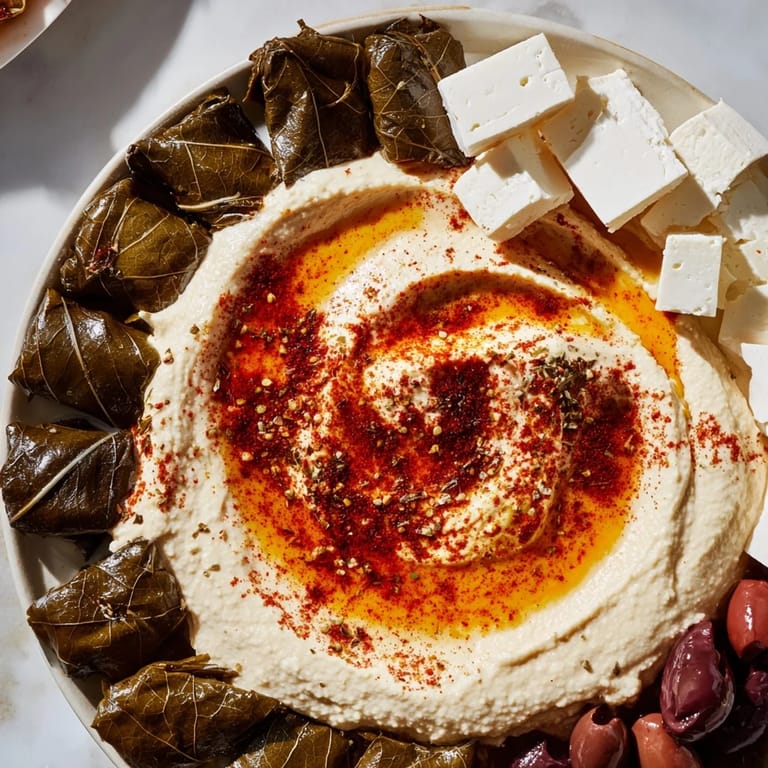
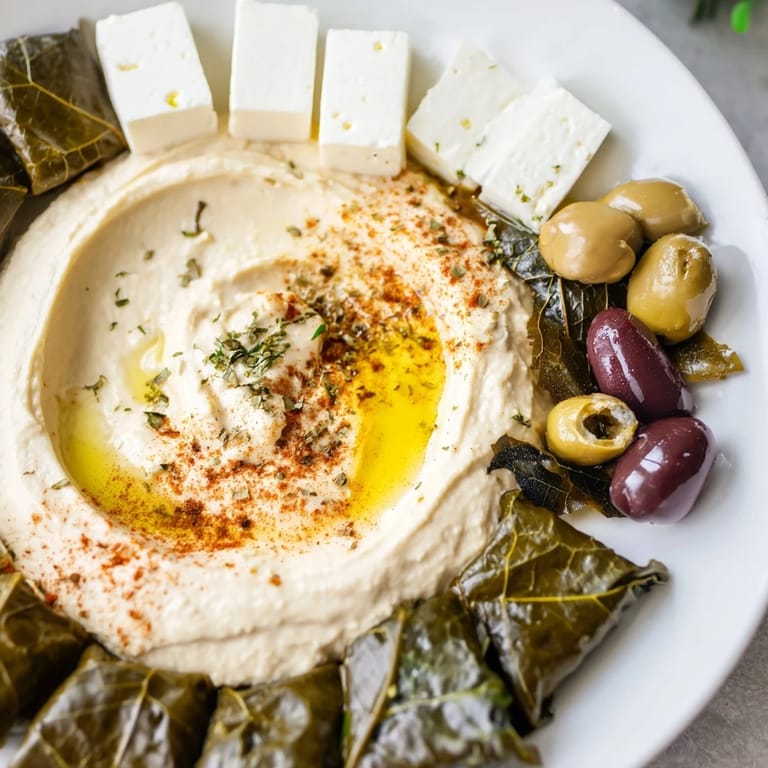
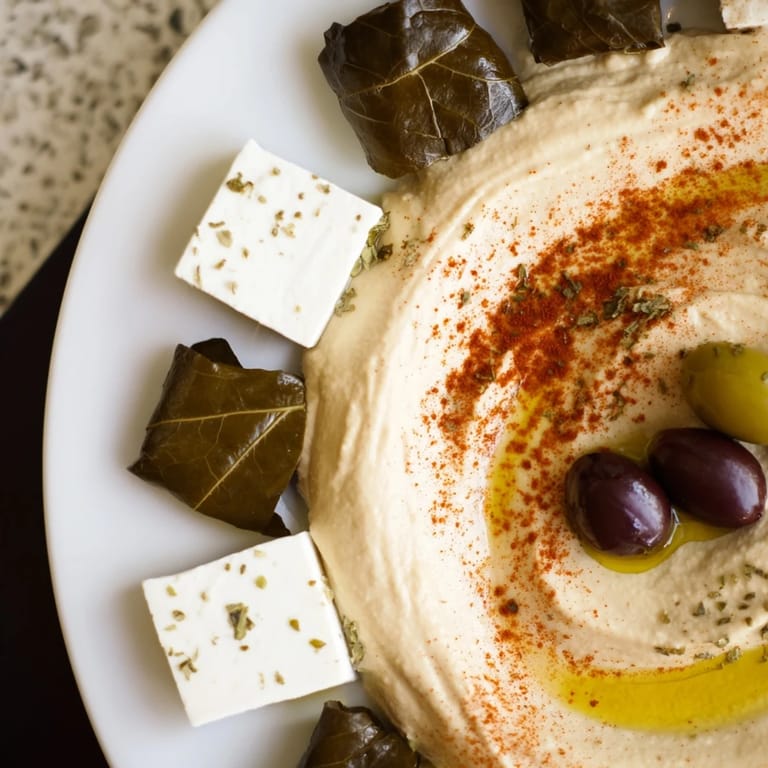
- Pour your hummus into a serving bowl and create a small well in the center with the back of a spoon. Drizzle that good olive oil around and through it, then add a pinch of paprika or sumac for color if you have it. This step takes two seconds but it's the difference between hummus and restaurant-quality hummus.
- Arrange the Dolmas:
- Place your stuffed grape leaves on the platter in neat rows or a casual cluster, depending on your mood. They can overlap slightly, which actually looks more inviting than spacing them out.
- Gather Your Cheeses:
- Cut the feta into small cubes, slice the halloumi into thin rectangles, and let the beyaz peynir be what it is. Group them separately on the platter so people can taste each one and understand why you included it.
- Prepare the Olives:
- In a small bowl, toss your olives with olive oil and oregano, coating them gently. Either keep them in a bowl or scatter them around the platter—both work, but a bowl makes them less likely to roll around.
- Add Color and Life:
- Arrange your cucumber slices, tomato wedges, and lemon wedges around the platter like you're painting with vegetables. Scatter the fresh parsley over everything at the last moment so it stays bright and vivid.
- Warm and Serve:
- Cut your pita into triangles and warm it in the oven for just a few minutes. Bring everything to the table together and watch how people's eyes light up when they see it all laid out.
 Save
Save I remember one evening when my neighbor came over, tasted the hummus, and asked what restaurant I'd gotten it from. I didn't tell her I'd made it until she was halfway through her second pita. She laughed and said she felt fooled in the best way possible—that's when I knew I'd gotten this recipe right.
Building Your Platter
The secret to a beautiful meze is treating it like a still life painting instead of a puzzle to solve. Your hummus bowl goes in the center or off to one side, then everything else radiates from there. Don't overthink the arrangement—a little casual chaos looks more welcoming than something too perfectly symmetrical. The goal is abundance and variety, so people see options and feel like they're choosing rather than being offered crumbs.
Choosing Your Cheeses
Turkish cheese culture is worth understanding for just this one recipe. Feta is what everyone knows, so it's your anchor—creamy, salty, and familiar. Beyaz peynir is softer and milder, which gives you contrast on the same platter. Kasseri or halloumi has a nuttier flavor and a firmer texture that somehow makes people take smaller bites and taste more carefully. If you can't find beyaz peynir, buy extra feta in different styles or ask at a good cheese counter what they'd recommend. The point isn't perfection; it's conversation through taste.
Making It Your Own
The base of this platter is ancient and unchanging, but what you add is your decision. In summer, I sometimes include sliced roasted red peppers or grilled eggplant. In winter, I've added candied walnuts and pomegranate seeds. You can make this platter five times and have it taste different each time depending on what's available and what you're in the mood for. The framework is solid enough to hold whatever you want to build on it.
- If you have time, roast some red peppers with garlic and olive oil the day before and they'll be even better on serving day.
- Fresh herbs beyond parsley like mint or dill scattered over the platter add brightness and surprise.
- A small bowl of Turkish red pepper paste (Aleppo pepper mixed with olive oil) on the side will make people think you've mastered something complicated.
 Save
Save This platter isn't about impressing people with complicated techniques—it's about gathering good ingredients and letting them speak for themselves. When you set it down in front of people, you're saying you care enough to choose each piece thoughtfully, and that's the real gift.
Recipe Guide
- → What are dolmas in the platter?
Dolmas are grape leaves stuffed with a mixture of seasoned rice and herbs, adding a savory and aromatic component to the platter.
- → Can I use store-bought items for this spread?
Yes, using ready-made dolmas and pre-cubed cheeses can simplify preparation while maintaining authentic flavors.
- → What is the best way to serve the hummus?
Blend the chickpeas with tahini, lemon juice, garlic, and spices until smooth, then drizzle extra virgin olive oil on top for richness.
- → Which cheeses are ideal for this assortment?
Feta, beyaz peynir, kasseri, or halloumi are traditional Turkish-style cheeses that bring tangy, creamy, and mild salty notes.
- → What garnishes enhance the platter’s presentation?
Sliced cucumbers, tomato wedges, fresh parsley, and lemon slices add freshness and vibrant color to the spread.