 Save
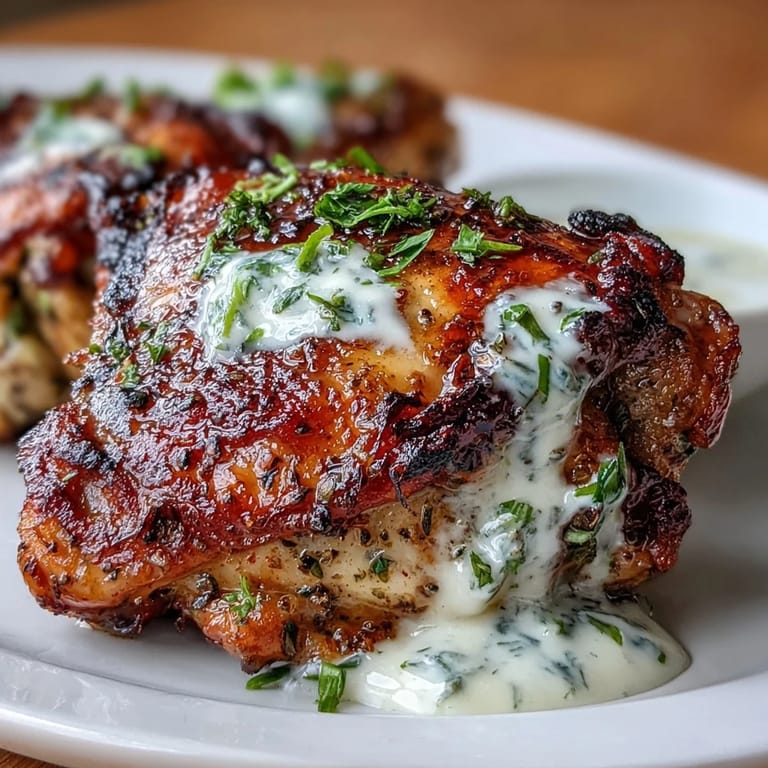
Save There's a moment in every cook's life when a spice blend just clicks—for me, it happened on a quiet Tuesday evening when I found myself staring at a container of zaatar, wondering what it was really for beyond the obligatory flatbread sprinkle. I decided to coat chicken thighs in it, roast them until the skin crackled, and finish with a tahini sauce that I whisked together almost without thinking. The result tasted like someone had handed me a ticket to the Levant without leaving my kitchen, and I haven't stopped making it since.
I made this for a friend who had just moved back to the city after a year abroad, and she took one bite and got quiet in that way that means the food transported her somewhere. We sat at my kitchen counter in the late afternoon light, talking about the places she'd been while the tahini sauce pooled on her plate, and I realized how powerful it is when a dish can do more than nourish—it can connect.
Ingredients
- Bone-in, skin-on chicken thighs (8 pieces): Dark meat stays tender even when roasted hot and fast, and the skin renders beautifully if you leave it exposed to the heat—this is what separates a good roasted chicken dish from a great one.
- Olive oil (3 tbsp total): Use a good-quality one you'd actually taste, because it's doing real work here in both the spice coating and the sauce.
- Zaatar spice blend (2 tbsp): This lemony, herbaceous blend is the soul of the dish—if you can't find it pre-made, a mix of dried thyme, sumac, and sesame seeds gets you most of the way there.
- Smoked paprika (1 tsp): Adds a gentle smokiness that deepens the flavor without overpowering the zaatar's bright notes.
- Garlic powder and sea salt (1 tsp and 1 tsp): These are your foundational layers—don't skip them or substitute with fresh garlic here, as it will burn during the long roast.
- Freshly ground black pepper (½ tsp): Always crack it yourself just before cooking; pre-ground pepper loses its bite.
- Tahini (⅓ cup): Look for a good roasted tahini if possible—it has more depth than the raw kind and works beautifully in this sauce.
- Garlic cloves (2, finely minced): Fresh garlic in the sauce provides the living, breathing element that the powder can't replicate.
- Lemon juice (2 tbsp, freshly squeezed): Bottled lemon juice will betray you here—the fresh juice keeps the sauce bright and alive.
- Water (2 tbsp, plus more as needed): The magic ingredient that transforms tahini from paste to sauce; add it gradually because every tahini brand has a different moisture content.
- Fresh parsley (2 tbsp, chopped): Adds a peppery freshness and a visual pop that makes the plate feel intentional.
- Lemon wedges (for serving): These aren't optional—they let each person adjust the brightness to their taste.
Tired of Takeout? 🥡
Get 10 meals you can make faster than delivery arrives. Seriously.
One email. No spam. Unsubscribe anytime.
Instructions
- Heat your oven and prepare the chicken:
- Preheat to 400°F and pat your chicken thighs completely dry with paper towels—any moisture on the skin will steam instead of crisp, and that's the opposite of what we want. Place the chicken in a large bowl and you're ready to season.
- Build the spice coat:
- Drizzle the chicken with olive oil, then scatter the zaatar, smoked paprika, garlic powder, salt, and pepper over everything. Toss with your hands until every piece is evenly coated—this is not the time to be gentle or squeamish, really work it in.
- Arrange skin-side up:
- Lay each chicken thigh on your baking sheet or ovenproof skillet with the skin facing up and uncovered—this is the only way to get that golden, crackling surface. Space them so they're not touching.
- Roast until golden:
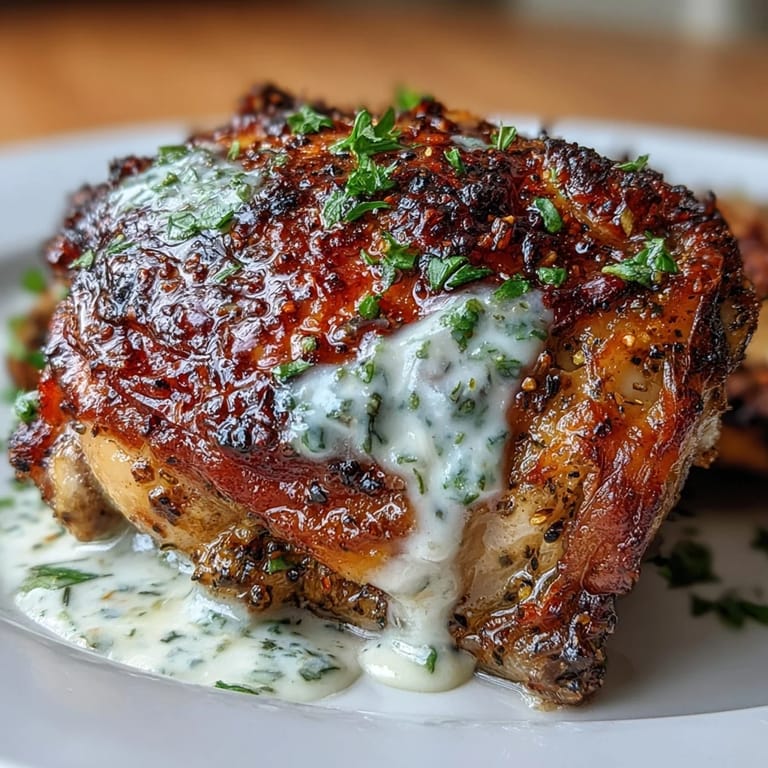
- Slide into the oven for 45 to 55 minutes—you're looking for skin that's deep golden brown and an internal temperature of 165°F when you check the thickest part of the thigh. The exact time depends on the size of your thighs and the quirks of your oven, so check around the 40-minute mark.
- Make the tahini sauce while chicken cooks:
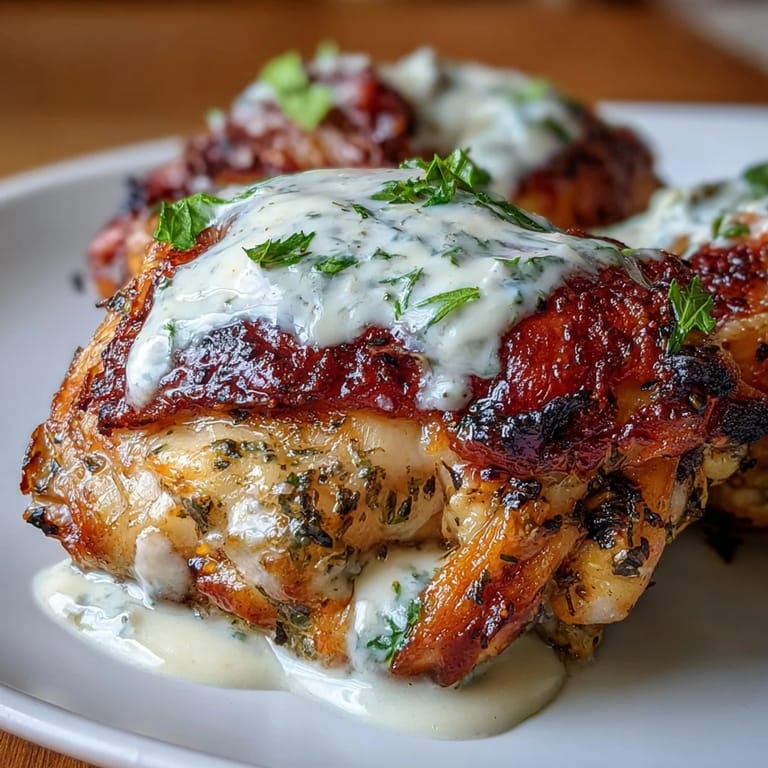
- In a separate bowl, whisk together the tahini, minced garlic, lemon juice, water, olive oil, and salt until you have a smooth, pourable consistency. If it's too thick, add water a teaspoon at a time and keep whisking—it should pour like a light cream sauce, not glue.
- Rest and finish:
- When the chicken is done, let it sit for 5 minutes before plating—this keeps the juices from running everywhere when you cut into it. Arrange on a serving platter, generously drizzle with the tahini sauce, scatter fresh parsley over the top, and serve with lemon wedges on the side.
 Save
Save The first time I served this to people who actually knew Middle Eastern food, I was terrified they'd tell me I'd gotten it all wrong. Instead, they asked for the recipe, which was when I realized that authenticity isn't about having a grandmother in Beirut—it's about respecting the flavors enough to let them speak for themselves.
The Magic of Zaatar
Zaatar is one of those spice blends that seemed exotic to me until I actually understood what was in it: dried thyme, sumac (a tart, lemony berry), sesame seeds, and salt. Once I realized that, the whole thing demystified itself, and I started tasting zaatar as a bridge between herbaceous and citrus, which is exactly why it partners so beautifully with the rich, fatty chicken skin. It's not an exotic ingredient—it's just a really smart combination that someone figured out a long time ago.
Why Tahini Is the Perfect Finish
A lot of roasted chicken dishes can feel one-dimensional if you're not careful, but the tahini-garlic sauce does something almost magical—it adds creaminess and richness without heaviness, while the lemon juice and fresh garlic keep everything bright and alive. I've learned that the best restaurant dishes are often about balance, and this sauce is textbook balance: sesame earthiness, garlic punch, lemon zing, and olive oil silk all working together.
Serving and Pairing Ideas
This chicken is flexible enough to work with almost any vegetable-forward side, though I find that the bright, acidic sauce really sings when you pair it with something cool and crisp. Roasted root vegetables become more interesting when they're sitting next to this, and a simple cucumber-tomato salad with a tiny bit of red onion feels essential in the summer.
- If you're feeding people with different preferences, put the tahini sauce on the side so everyone can control how much sauce they want.
- The chicken is just as good cold the next day, shredded over a grain bowl or stuffed into a wrap, so cook extra if you can.
- Fresh herbs like mint or cilantro scattered on top at the last second add a layer of freshness that makes the whole dish feel alive.
 Save
Save This is the kind of dish that feels special without requiring you to be special—just good ingredients treated with a little care and respect. Once you've made it once, you'll find reasons to make it again and again.
Recipe Guide
- → What is zaatar and how does it enhance the chicken?
Zaatar is a Middle Eastern spice blend featuring herbs, sesame seeds, and sumac. It adds an earthy, tangy, and slightly nutty flavor that complements the roasted chicken beautifully.
- → Can I use boneless chicken thighs instead?
Yes, boneless thighs can be used but reduce roasting time to about 30–35 minutes to avoid overcooking and maintain juiciness.
- → How should I store leftovers of this dish?
Store leftovers in an airtight container in the refrigerator for up to 3 days. Reheat gently to preserve moisture and avoid drying out the chicken.
- → What is the best way to prepare the tahini-garlic sauce consistency?
Whisk tahini with lemon juice, minced garlic, olive oil, water, and salt until smooth. Add water gradually to achieve a pourable but creamy texture.
- → Is this dish suitable for special diets?
Yes, it is naturally gluten-free and paleo-friendly, making it a great option for those following these dietary preferences.
- → Can I marinate the chicken beforehand?
Marinating the chicken in the spice blend for up to 8 hours enhances flavor depth and tenderness but is optional for quicker preparation.