 Save
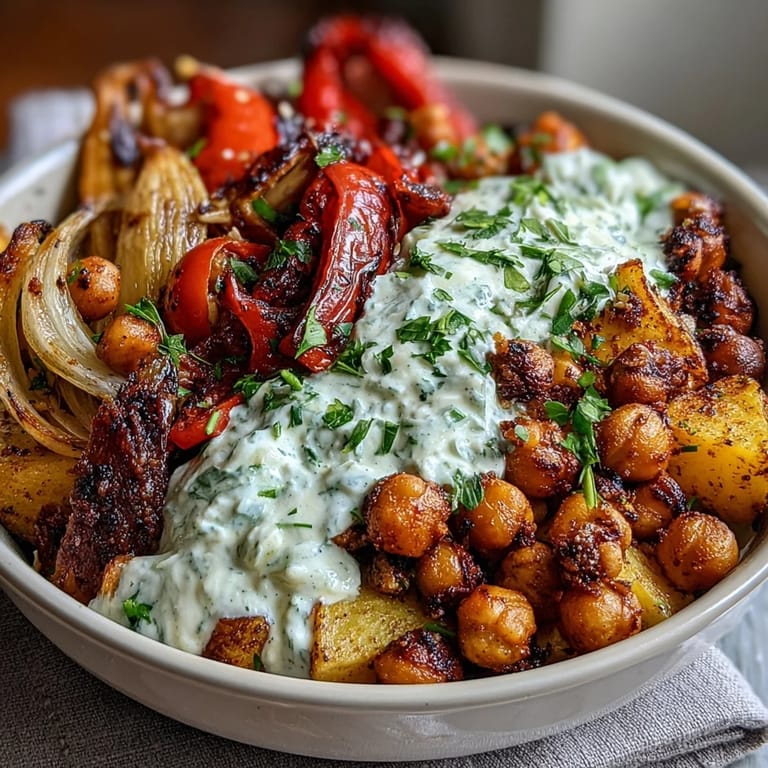
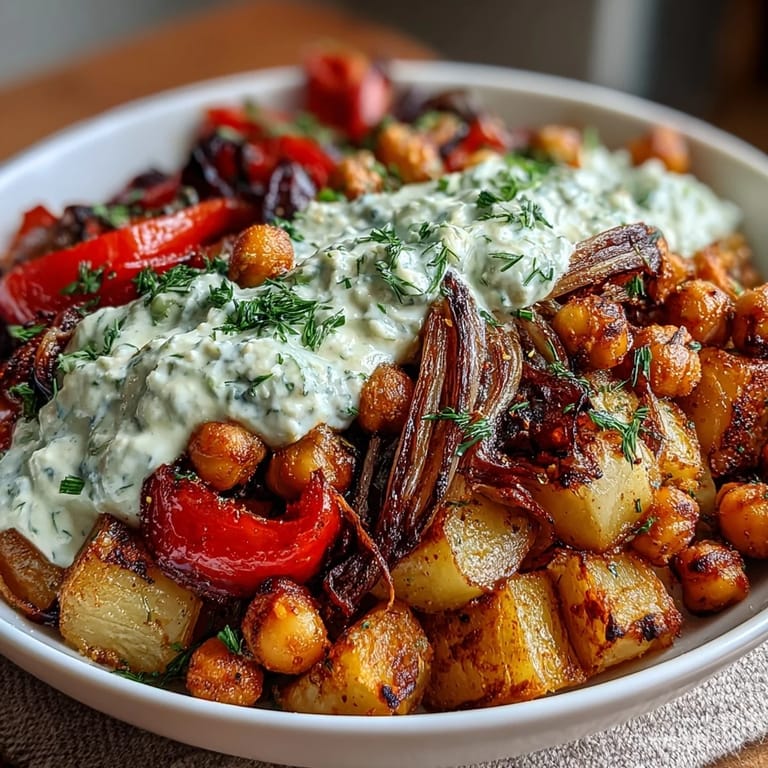
Save There's something almost meditative about the way a kitchen fills with the smell of roasting vegetables and warming spices. I discovered this bowl on a quiet Sunday afternoon when I had a can of chickpeas, half a cucumber, and the sudden urge to eat something that tasted like summer, even though it was pouring rain outside. What started as me throwing things on a sheet pan turned into the kind of meal that made me sit down and actually taste every bite, instead of rushing through lunch at my desk. The golden edges on the potatoes, the cool creamy sauce—it just clicked.
I made this for my roommate on a Wednesday night when she came home exhausted from work, and she literally paused mid-bite and asked if I'd been secretly taking cooking classes. The thing is, I hadn't done anything fancy—just let good ingredients roast until they became caramelized and fragrant. She's made it three times since, each time tweaking the spices slightly, which is the highest compliment I know.
Ingredients
- Chickpeas: These become creamy and slightly crispy at the edges when roasted—they're your protein anchor and they deserve good spices to shine with.
- Red bell pepper and red onion: The acidity and slight sweetness in red varieties matter more here than you'd think, and they caramelize gorgeously in the heat.
- Potatoes: Cut them small enough to roast through in 40 minutes, and don't skip stirring them halfway—that's what gets you those golden edges.
- Olive oil: Don't cheap out here; it's the vehicle for all your spices and it seasons as it cooks.
- Spice blend: Paprika, basil, oregano, dill, garlic powder—this is your Mediterranean passport, and each one matters.
- Plain yogurt: Greek yogurt makes this richer, but regular works fine; the blending with cashews and tofu is what creates the magic.
- Cashews and tofu: These create body and creaminess in the tzatziki, making it luxurious without relying only on dairy.
- Fresh dill and cucumber: These keep the sauce bright and prevent it from feeling heavy, even though it's genuinely creamy.
Tired of Takeout? 🥡
Get 10 meals you can make faster than delivery arrives. Seriously.
One email. No spam. Unsubscribe anytime.
Instructions
- Heat your oven and plan ahead:
- Get your oven to 400°F (200°C) and give it a few minutes to fully preheat; this matters for those caramelized edges. While it's heating, prep your vegetables so you're not rushing once you're ready to roast.
- Build your spice coating:
- Mix paprika, basil, garlic powder, oregano, dill, parsley, salt, and pepper in a small bowl first. This prevents clumpy garlic powder and ensures everything distributes evenly across your vegetables.
- Toss and spread strategically:
- Combine your prepped potatoes, bell pepper, onion, and drained chickpeas on a large baking sheet, drizzle with olive oil, add your spice blend, and toss until everything is coated. The key is spreading them in one layer so they roast instead of steam—don't overcrowd.
- Roast with intention:
- Pop them in for 40 minutes, stirring halfway through. You're looking for golden, caramelized edges and potatoes that are fork-tender; this is what transforms simple ingredients into something craveable.
- Create your creamy sauce base:
- While vegetables roast, blend yogurt, cashews, tofu, and minced garlic until completely smooth and creamy. The cashews add richness that makes people ask if there's cream in it.
- Finish the tzatziki with care:
- Grate your cucumber and squeeze out every drop of excess moisture with a clean kitchen towel—this prevents a watery sauce. Fold the cucumber into your blended mixture along with fresh dill, red wine vinegar, salt, pepper, and lemon juice, then taste and adjust; this is where you make it yours.
- Assemble and serve immediately:
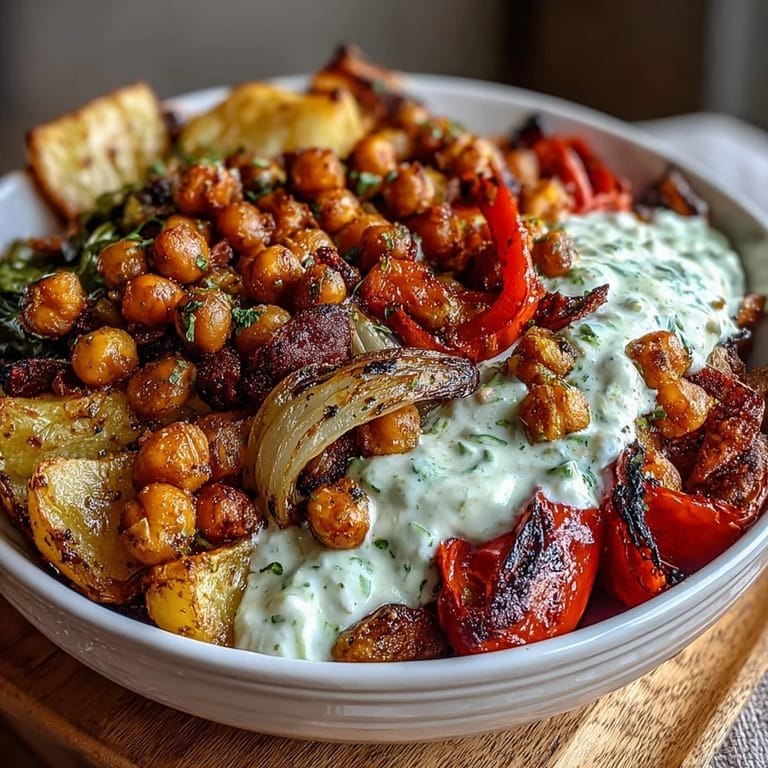
- Spread a generous layer of tzatziki on each bowl or plate, top with the warm roasted vegetables and chickpeas, and serve while the vegetables are still warm and the contrast is at its peak.
 Save
Save There was a moment when my partner took a bite, closed his eyes, and asked if we could eat like this forever. That's when I realized this wasn't just about feeding ourselves—it was about creating a ritual around eating well, without pretension. The fact that it's vegetarian, high in protein, and genuinely nourishing is almost secondary to how satisfying it feels.
The Magic of Caramelization
I used to think roasting vegetables was straightforward—oil, heat, done. But this recipe taught me that timing and temperature create actual flavor development, not just cooked vegetables. When potatoes and chickpeas spend 40 minutes at 400°F on a dry-ish baking sheet with good spacing, the exterior loses moisture and develops a crust that tastes almost nutty. Stirring halfway through ensures nothing sticks to the pan and everything caramelizes evenly, which is a small gesture that creates a big taste difference.
Building Creaminess Without Heavy Cream
The tzatziki was a revelation for me because I'd always made it with just yogurt and cucumber, which is fine but not memorable. Adding blended cashews and tofu creates this silky body that feels indulgent without being heavy, and the lemon juice and vinegar keep it bright so it doesn't feel overwhelming alongside the warm, spiced vegetables. It's a small shift in technique that changes how the whole bowl feels on your palate.
Customizing Without Losing the Soul
I've made this with sweet potatoes instead of regular potatoes on autumn evenings, and with zucchini added when my garden overflowed with it. The spice blend is forgiving enough to hold the Mediterranean character even when you shift some ingredients, which is why this bowl never feels boring even when I make it multiple times a month. Some nights I serve it over quinoa, other nights with warm pita on the side, and it works because the tzatziki and roasted vegetables are confident enough to shine no matter what.
- Fresh herbs like parsley or extra dill scattered on top at the last second add brightness without extra work.
- A squeeze of fresh lemon juice just before eating lifts everything and reminds you why you made it from scratch.
- If serving later, store the sauce and vegetables separately and assemble when you're ready to eat.
 Save
Save This bowl became my answer to the question of how to eat well without overthinking it. Every time I make it, I'm reminded that the best meals aren't about complexity—they're about respecting good ingredients and giving them the right conditions to taste like themselves.
Recipe Guide
- → How can I make the tzatziki sauce creamier?
Blending cashews and tofu with yogurt adds extra creaminess to the sauce, creating a smooth texture that balances the roasted vegetables.
- → What vegetables can I substitute in this bowl?
You can swap potatoes with sweet potatoes or add zucchini and eggplant for more variety and layers of flavor.
- → Can this dish be prepared vegan-friendly?
Yes, use plant-based yogurt instead of dairy yogurt to keep the tzatziki sauce vegan while maintaining creaminess.
- → How do the spices affect the roasted vegetables?
The spice blend with paprika, basil, garlic powder, oregano, dill, and parsley enhances the natural sweetness and depth of the roasted vegetables.
- → What is the best way to roast vegetables evenly?
Arrange vegetables and chickpeas in a single layer on the baking sheet and stir halfway through cooking to ensure even roasting.