 Save
Save The first time I tasted proper döner was on a rain-soaked Istanbul street corner, steam rising from the rotating spit while the cook worked with practiced efficiency. I became obsessed with recreating that smoky, spiced intensity at home, spending weeks experimenting with marinades and techniques. What I discovered is that authentic döner isn't about fancy equipment—it's about patience, layering flavors deep into the meat, and understanding how heat transforms those thin slices into something simultaneously tender and caramelized. When I finally nailed it in my own oven, my kitchen smelled like the streets of Beyoğlu, and I knew I'd cracked the code.
I made this for a dinner party where my friend Sarah had just returned from Turkey, and I watched her face as she took the first bite—that moment when someone recognizes the taste of a place they love, tasted in your kitchen, under your roof. She closed her eyes, and no one said anything for a beat. That's when I understood: this dish carries the weight of someone's home in every slice.
Ingredients
- Boneless lamb shoulder or beef sirloin, thinly sliced (1 kg): Lamb gives you that rich, slightly gamey authenticity that makes döner unmistakable, but beef works beautifully too if that's what you prefer or can source more easily.
- Lamb fat or beef fat, thinly sliced (100 g, optional): Don't skip this if you can find it—the fat layers melt into the meat during roasting and create those pockets of tenderness and flavor that make döner addictive.
- Plain Greek yogurt (150 g): The acid gently tenderizes while creating a creamy marinade base that clings to every slice.
- Olive oil (3 tbsp): Carries the spice flavors deep and keeps everything moist as it cooks.
- Garlic, minced (3 cloves): Fresh and sharp, it cuts through the richness and adds that essential pungency.
- Onion, grated (1 large, juice squeezed out): The grating releases natural juices that help the marinade penetrate, and squeezing out the excess prevents sogginess.
- Ground cumin (2 tsp): Warm and earthy, the backbone of every bite.
- Ground coriander (2 tsp): Bright and slightly citrusy, it lifts the heavier spices.
- Sweet paprika (2 tsp): Adds color, mild sweetness, and that characteristic depth.
- Smoked paprika (1 tsp): This is what makes your home kitchen version taste like it came from a street vendor—use it generously.
- Ground black pepper (1 tsp): Sharp and clean, especially important when using freshly ground.
- Salt (1½ tsp): Don't undersalt; this much is needed to properly season such a large volume of meat.
- Ground cinnamon (½ tsp): Just a whisper, but it adds a warmth that makes people ask what the secret is.
- Chili flakes (½ tsp, optional): For a gentle heat that builds as you eat.
Tired of Takeout? 🥡
Get 10 meals you can make faster than delivery arrives. Seriously.
One email. No spam. Unsubscribe anytime.
Instructions
- Build your marinade:
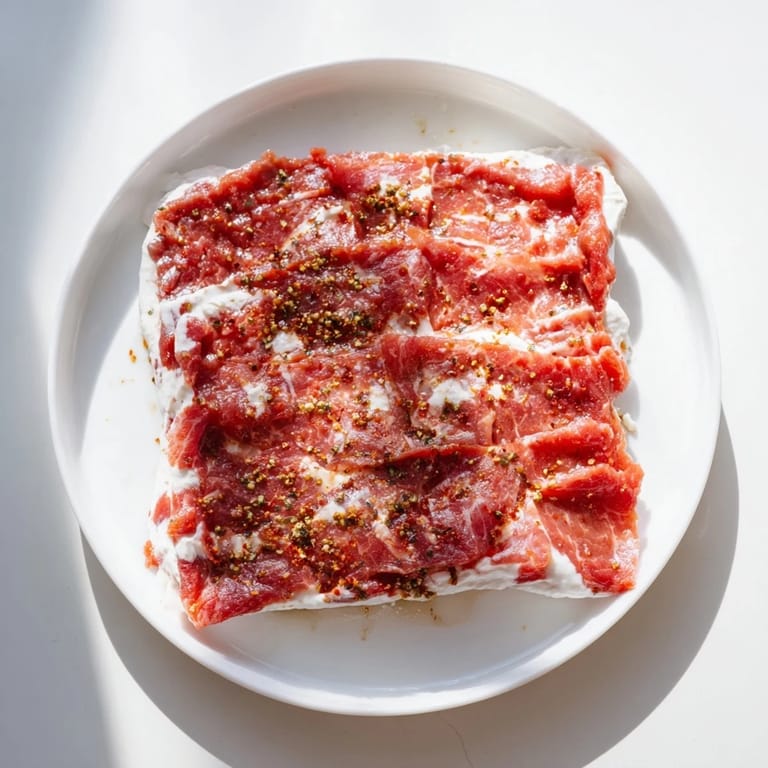
- Combine the yogurt, olive oil, minced garlic, grated onion, and all the spices in a large bowl, stirring until the mixture is smooth and every spice is evenly distributed. The marinade should smell intensely aromatic—if it smells mild, you've underseasoned.
- Coat the meat:
- Add your thinly sliced meat and fat (if using) to the bowl and toss everything together with your hands, making sure each slice gets thoroughly coated in the spiced yogurt. This is important and takes a few minutes of patient mixing.
- Let time do the work:
- Cover the bowl tightly and refrigerate for at least 4 hours, but ideally overnight—this is when the magic happens, as the acid and spices penetrate the meat fibers. You'll notice the marinade thickens and the meat releases its own juices.
- Preheat and prepare:
- Heat your oven to 200°C (400°F). If you have metal skewers, thread the marinated meat onto them, pressing down firmly to create a compact, tightly stacked tower that will cook evenly and create those beautiful caramelized edges.
- Roast with intention:
- Place the skewered meat on a rack set over a baking tray to catch the juices. Roast for about 1 hour, basting every 15 minutes with the pan juices—this keeps the top moist while the bottom gets gloriously browned. After 45 minutes, crank the heat to 220°C (430°F) for the final 15 minutes to deepen the crust and add color.
- Rest and slice:
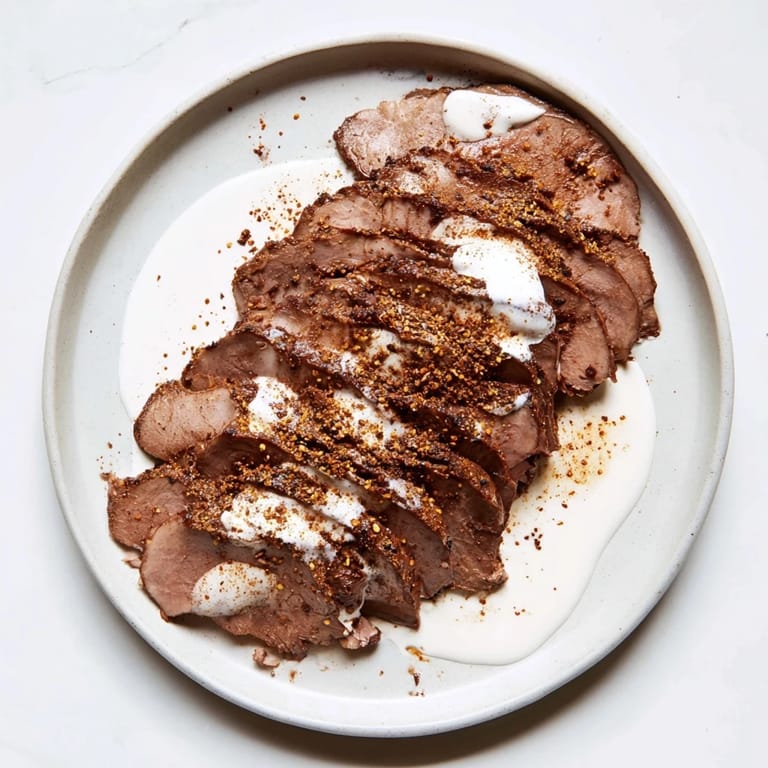
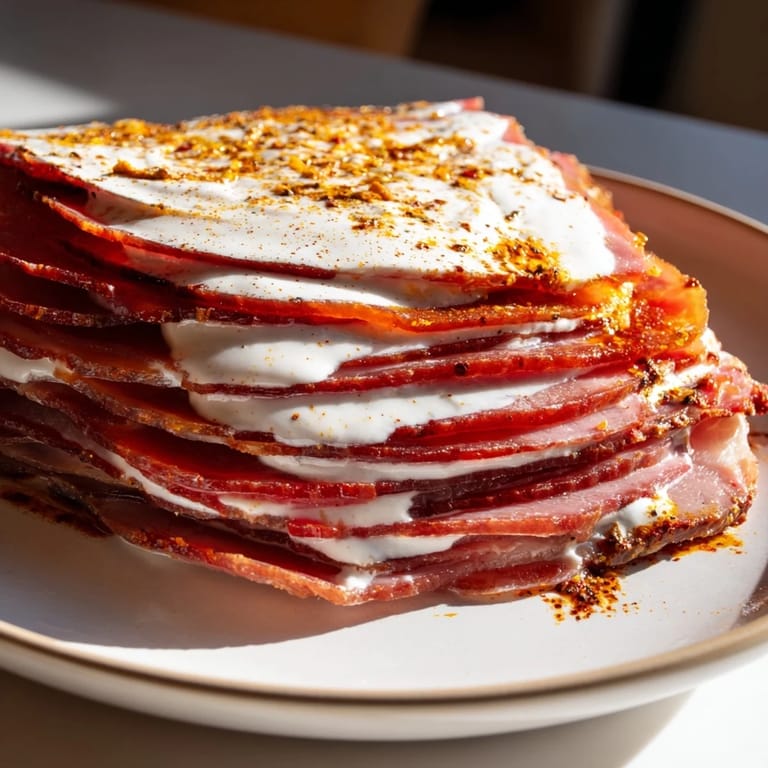
- Remove from the oven and let the meat rest for 10 minutes—this is crucial, as it allows the juices to redistribute. Using a sharp knife, slice the meat as thinly as you can manage, almost paper-thin if possible.
- Serve with intention:
- Warm your flatbread, arrange your toppings, and eat it while the meat is still warm and the bread is still soft.
 Save
Save My neighbor knocked on my door halfway through cooking, drawn in by the smell, and I ended up making extra plates on the spot. By the end of the evening, his whole family had migrated to my kitchen, and we were all huddled around warm bread and thin slices of meat like it was the most natural thing in the world. That's when döner stopped being a recipe for me and became a reason to gather people.
The Marinade is Everything
The difference between flat, forgettable meat and the kind that tastes like someone cared is the marinade. Greek yogurt isn't just a tenderizer here—it's a flavor carrier, and the combination of cumin, coriander, and both paprikas creates a spice blend that's warm without being aggressive. When you mix everything together, you should smell the individual notes: the earthiness of cumin, the brightness of coriander, the smokiness of the paprika. If it smells muted, taste it and add more salt—salt is what wakes everything up. The grated onion releases its natural juices that help distribute the marinade throughout the meat, which is why I squeeze out the excess but don't discard the onion itself.
Cooking Without a Rotisserie Spit
A vertical rotisserie creates that perfect caramelized exterior while keeping the inside tender, but not everyone has one, and that shouldn't stop you from making this. Threading the meat onto metal skewers and roasting it in the oven gets you about 90 percent of the way there. The key is pressing the meat down tightly so it cooks in layers, basting regularly to keep the edges moist, and finishing with a higher heat for color. You can also layer the meat tightly in a loaf pan or on a baking tray, pressing it down firmly so it cooks as a compact mass instead of individual slices scattered across the pan—this mimics the density of the spit better than you'd expect.
Building Your Döner Bowl
Döner is only as good as what surrounds the meat, so treat the toppings with respect. Warm your flatbread directly over a gas flame if you have one, or wrap it in a damp towel and warm it in the oven for a few minutes. Slice your tomatoes and onions thinly, shred the lettuce into thin ribbons, and keep everything cold and crisp until the last moment. The contrast between the warm, spiced meat and the cool, fresh vegetables is what makes this dish balanced and craveable. Mix a simple yogurt sauce with minced garlic and lemon juice, or buy labneh for something richer, and drizzle it generously over everything.
- Don't assemble the döner until you're ready to eat—wet vegetables make soggy bread.
- If you make this for a crowd, let everyone build their own so they can control the ratio of meat to vegetables and sauce.
- Leftover meat reheats beautifully in a hot pan with a splash of water, regaining its tenderness in minutes.
 Save
Save Making döner at home taught me that some of the most craveable food isn't complicated—it just requires you to pay attention and give the process time to work. When you bite into a slice that's smoky and spiced and tender all at once, wrapped in warm bread with fresh toppings and cool sauce, you'll understand why people line up for this on street corners.
Recipe Guide
- → What cuts of meat are best for this dish?
Boneless lamb shoulder or beef sirloin provide tender, well-marbled layers ideal for marinating and slow cooking.
- → How long should the meat marinate?
For best results, marinate the meat for at least 4 hours, preferably overnight to fully absorb the spices.
- → Can this be cooked without a vertical spit?
Yes, tightly layering the marinated meat on skewers or in a loaf pan and roasting in the oven closely mimics the slow-cooked texture.
- → What spices enhance the flavor?
Cumin, coriander, sweet and smoked paprika, along with garlic and onion, build a rich and aromatic profile.
- → What sides pair well with the meat?
Warm flatbreads, fresh vegetables like tomatoes and cucumbers, and a garlic or yogurt-based sauce complement the flavors perfectly.
- → Any tips for slicing the cooked meat?
Rest the cooked layers before slicing thinly with a sharp knife to maintain tenderness and texture.