 Save
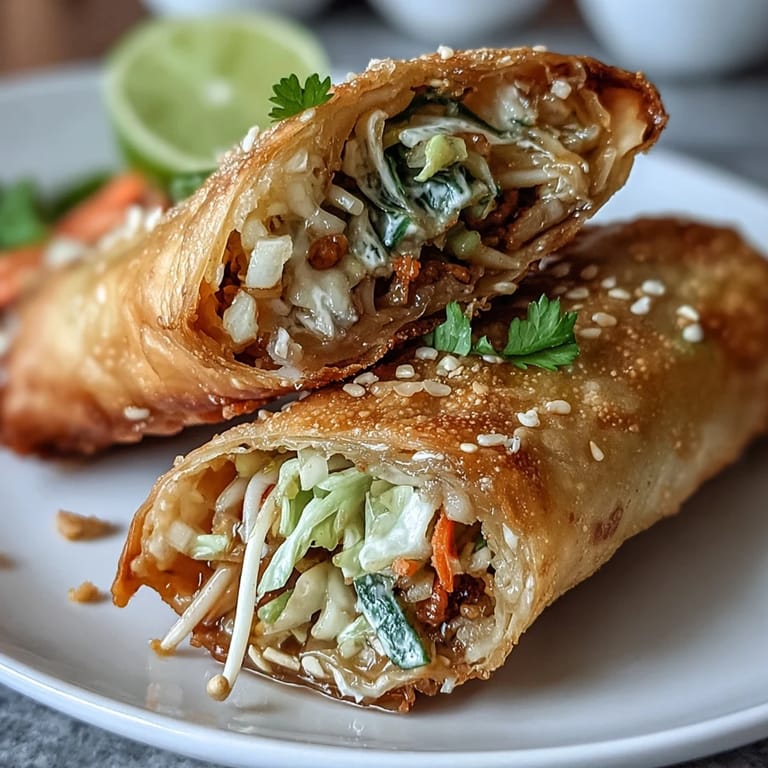
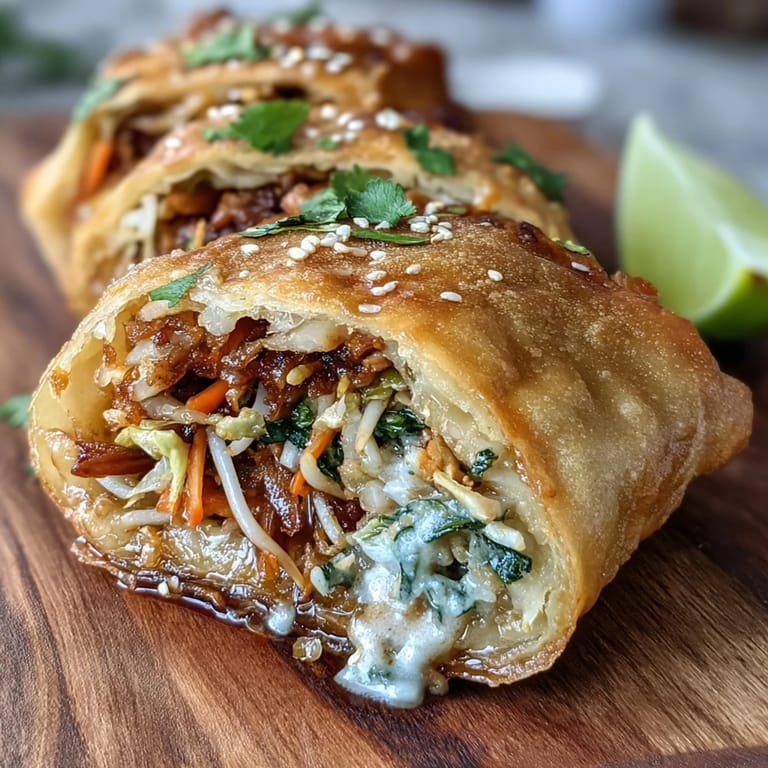
Save Steam hissing from the wok and a medley of vegetables scattered across my kitchen counter always signal spring roll night at my place. There’s an understated joy in lining up those crisp wrappers and watching fingers move, tucking each roll tight. The scent of ginger and garlic mingles with anticipation, hinting at something satisfyingly crunchy ahead. When my neighbor once peeked in and demanded What smells that good I laughed, realizing how inviting these rolls can be, even before the first bite. A platter stacked high never lasts long in our house.
The last time I made these for our game night, a few friends got overly ambitious trying to roll them as fast as possible. We ended up in fits of laughter—some turned out hilariously wonky, but nobody cared once they came out of the oil golden and crisp. Sharing a plate of these spring rolls ended up being even better than the card games we’d gathered for.
Ingredients
- Spring roll wrappers: Choose the thinnest you can find—they fry up the crispiest and don’t overpower your veggies.
- Shredded green cabbage: Adds crunch and a mellow base for all the flavors—salt lightly and let sit for maximum tenderness.
- Julienned carrots: Bring natural sweetness and a pop of color—slice thinly for even cooking.
- Bean sprouts: Fresh bean sprouts keep things light—rinse and pat dry so they don’t make the filling soggy.
- Julienned red bell pepper: A dash of red for visual appeal and sweet crunch—make sure it’s sliced just as thin as the carrots.
- Cooked vermicelli noodles: These give substance to the filling—use scissors to snip shorter for easier rolling.
- Green onions: Their sharpness cuts through the richness—always slice on a diagonal for looks and even distribution.
- Fresh cilantro: Brings a herby lift that brightens every bite—add just before assembling for best flavor.
- Soy sauce: For seasoning—use a good quality one for umami depth.
- Sesame oil: Just a touch transforms the filling—don’t skip this for that signature aroma.
- Grated ginger: Packs a gentle heat and warmth—don’t be afraid to grate a little extra.
- Garlic: Minced fine, it quietly underpins the flavor without overpowering—fresh always beats powdered.
- Vegetable oil for frying: Go for a neutral oil with a high smoke point—safety first when that oil’s bubbling.
- Creamy peanut butter: The heart of your sauce—stir well or use natural style for a less-sweet dip.
- Rice vinegar: This keeps the dip bright and balanced—taste as you go.
- Honey or maple syrup: Maple syrup for vegan—either rounds out the sharp edges of the sauce.
- Sriracha (optional): Just a hint for those who like a kick—start small and adjust to your own heat level.
- Warm water: This brings the peanut sauce together—add it gradually for the perfect thickness.
- Toasted sesame oil: Adds a final nutty punch to your sauce—just a few drops make all the difference.
Tired of Takeout? 🥡
Get 10 meals you can make faster than delivery arrives. Seriously.
One email. No spam. Unsubscribe anytime.
Instructions
- Mix the filling:
- In the biggest bowl you’ve got, toss together cabbage, carrots, bean sprouts, bell pepper, vermicelli, green onions, and cilantro. Add soy sauce, sesame oil, ginger, and garlic; watch the veggies glisten as everything gets coated and smells irresistible.
- Roll with confidence:
- Set a spring roll wrapper in front of you like a diamond, scoop in two spoonfuls of filling, then fold and roll it snugly—dabbing the edge with a little water to seal like an envelope.
- Keep it moving:
- Repeat the process until each wrapper is filled, keeping the finished rolls under a damp towel to stop them from drying out.
- Get frying:
- Heat oil in a deep skillet or wok until a piece of wrapper sizzles fiercely. Slip in a few rolls at a time, turning gently until golden and crisp on all sides, then let them rest on paper towels.
- Whisk the peanut sauce:
- In a small bowl, beat together peanut butter, soy sauce, rice vinegar, honey or maple syrup, sriracha, water, and sesame oil until smooth and glossy.
- Serve and enjoy:
- Arrange the hot rolls on a plate, pour that gorgeous sauce into a dish, and let everyone dig in while they’re still crunchy.
 Save
Save 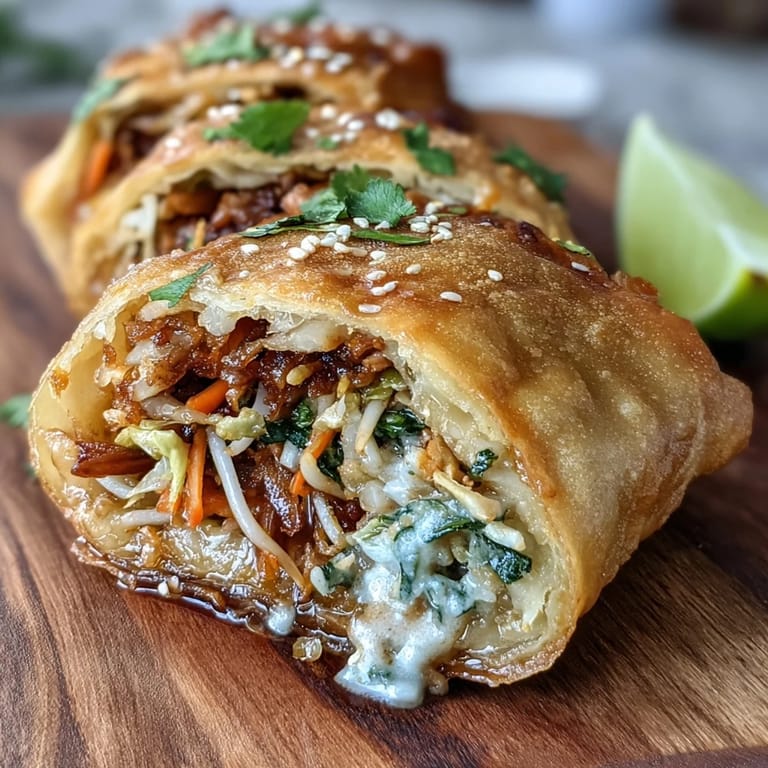 Save
Save It surprised me how quickly these disappeared during last spring’s family potluck—my uncle, an avowed meat-eater, devoured half the platter before I could even warn him they were vegetarian. Suddenly, the kitchen was crowded with people watching and helping roll the second batch, and those moments made the recipe feel truly shared.
How to Make Them Extra Crisp
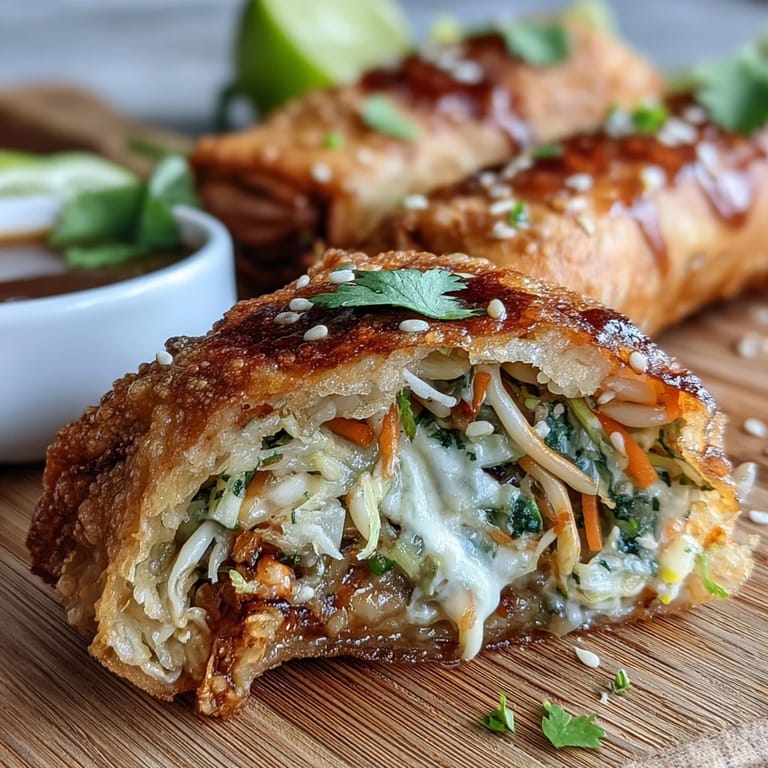
Letting your rolls rest for a couple minutes before frying lets any extra surface moisture evaporate so you get the best snap when you bite in. If you want an even more pronounced crunch, double-frying—giving them a first low fry, cooling, then a hot fry—turns them addictively crackly. Spritzing or brushing them with a bit of oil before baking can’t match deep-frying, but it brings crispness without all the extra oil.
Customizing Your Filling
No two spring roll batches in my kitchen have ever been exactly the same. Sometimes I add slivers of shiitake mushrooms for earthiness, or sneak in some chopped Thai basil for a surprise lift. I once tossed in leftover tofu cubes, and people thought I’d planned it that way on purpose—little tweaks make this recipe truly your own.
Dipping Sauce Hacks and Serving Notes
Peanut sauce too thick Stir in a teaspoon of warm water at a time while whisking. If you like spice, a little extra sriracha never hurt anyone. The magic really happens when you let everyone dip straight in—no double-dipping, promise.
- Use cold, leftover noodles from last night—they soak up flavor best.
- Chill your filling for ten minutes before rolling for even neater packets.
- Don’t crowd the pan when frying; it keeps the oil hot and the rolls crispy.
 Save
Save 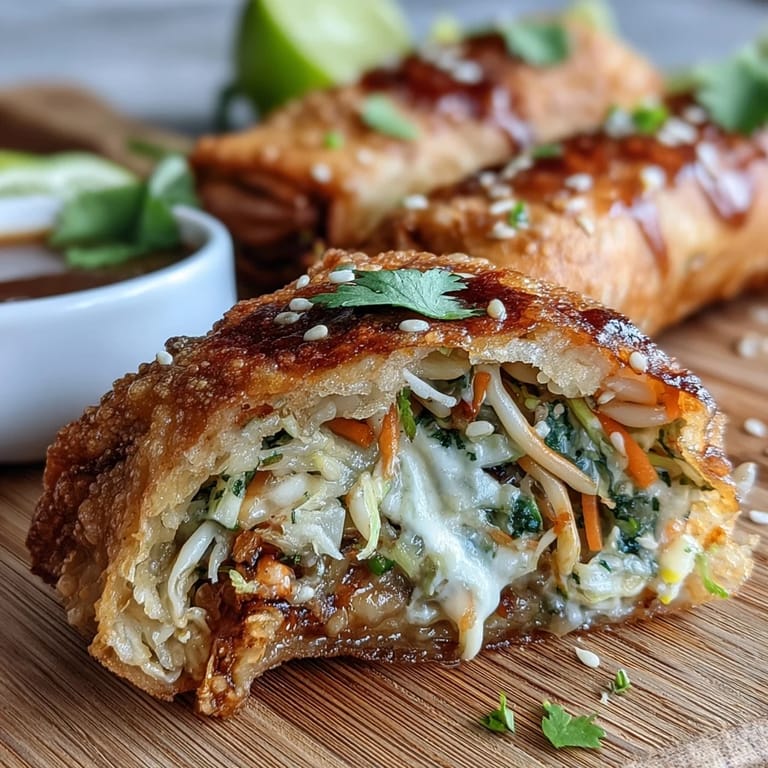 Save
Save Making these spring rolls is always a little celebration in itself—messy, colorful, and better with a crowd. I hope your table is just as lively when you serve them, crunchy and piping hot.
Recipe Guide
- → How do I keep the rolls from getting soggy?
Drain and dry vegetables well and cool cooked vermicelli before filling. Roll tightly and seal edges with a dab of water. Fry in oil at the right temperature to form a crisp exterior that blocks moisture.
- → What oil temperature is best for frying?
Heat oil to about 350°F (175°C). That temperature crisps the wrapper quickly without absorbing excess oil. Fry in batches to avoid crowding and temperature drops.
- → Can I bake them instead of frying?
Yes. Brush rolls with oil and bake at 400°F (200°C) for 15–18 minutes, turning halfway, until golden and crisp. Baking yields a lighter texture and reduces oil use.
- → How can I adapt the peanut sauce for allergies?
For peanut allergies, use tahini or sunflower seed butter and adjust soy and vinegar to taste. Always check labels for cross-contamination and taste for seasoning balance.
- → Can I prepare components ahead of time?
Prepare the filling and sauce up to a day ahead and refrigerate separately. Assemble just before frying or baking to maintain a crisp exterior and fresh interior texture.
- → How should I reheat leftovers to retain crispness?
Reheat in a 350–375°F (175–190°C) oven or air fryer for several minutes until crisp. Avoid microwaving, which makes wrappers soggy.