 Save
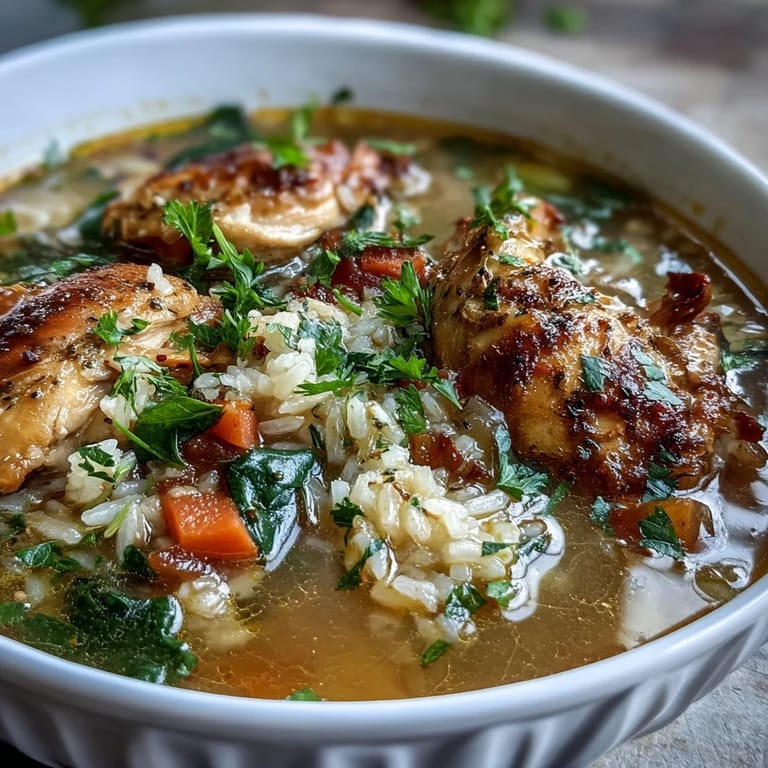
Save There's something about a pot of chicken and rice soup that stops time in the kitchen. My mom used to make a version of this on gray afternoons, and I'd watch the steam rise while doing homework at the table, the smell alone making me feel less alone. Years later, I realized I was chasing that exact feeling when life got hectic, and this soup became my own simple answer to everything from exhaustion to a cold that wouldn't quit. It's the kind of dish that tastes like someone actually cares, even when you're making it just for yourself.
I made this soup for a friend who'd just moved into her first apartment, and she sat at her tiny kitchen counter with a bowl, tears streaming down her face because she realized she could actually cook something that tasted homemade. That moment stuck with me more than any dinner party ever has, because it reminded me that soup isn't really about rice and broth at all.
Ingredients
- Boneless, skinless chicken breasts (2, about 400 g, cut into bite-sized pieces): Bite-sized pieces cook through evenly without drying out, and they soften enough to eat without a knife by the time everything else is done.
- Yellow onion (1 medium, diced): This is your flavor foundation, so don't skip the sautéing step—it transforms from sharp to sweet and golden.
- Carrots (2, peeled and sliced): They add natural sweetness and visual warmth that somehow makes the whole bowl feel more generous.
- Celery stalks (2, sliced): The classic trio wouldn't be complete without it, and the flavor it brings is subtle but genuinely missed if you leave it out.
- Garlic (3 cloves, minced): Add this after the softer vegetables so it doesn't brown and turn bitter, just fragrant.
- Baby spinach or kale (1 cup, chopped, optional): I've made this both ways and honestly prefer it with the greens for color and nutrition, but it's truly your call.
- Fresh parsley (1 tablespoon, plus more for garnish): The bright finish that reminds you this isn't just about being full, it's about being alive.
- Long-grain white rice (2/3 cup, rinsed): Rinsing removes the starch and helps the grains stay separate rather than turning into glue.
- Low-sodium chicken broth (8 cups): This is where quality actually matters because it's the soul of the whole dish.
- Dried thyme (1 teaspoon): Thyme whispers instead of shouts, grounding everything with quiet herb flavor.
- Dried oregano (1 teaspoon): Oregano brings earthiness that makes you feel like you're eating something real and intentional.
- Bay leaf (1): Don't forget to fish this out before serving, though honestly I've eaten around it before when I was distracted.
- Black pepper (1/2 teaspoon): Freshly cracked if you have it, but ground works just fine.
- Salt (3/4 teaspoon, or to taste): Taste as you go because some broths are saltier than others and you want to end up exactly right.
- Lemon juice (from 1/2 lemon, optional): This little squeeze at the end makes everything taste sharper and somehow more like itself.
- Olive oil (1 tablespoon): Just enough to get things moving without making it heavy.
Tired of Takeout? 🥡
Get 10 meals you can make faster than delivery arrives. Seriously.
One email. No spam. Unsubscribe anytime.
Instructions
- Build your flavor base:
- Heat the olive oil in your pot over medium heat until it shimmers, then add the diced onion, carrots, and celery all at once. Let them soften for about 4 to 5 minutes, stirring now and then so nothing catches on the bottom.
- Bring in the garlic:
- Once the vegetables have started to collapse into themselves and smell sweet, add your minced garlic and cook for just 1 minute until the whole kitchen smells like garlic without any burnt edges.
- Brown the chicken lightly:
- Push the vegetables to the side and add the chicken pieces, letting them sit for about a minute before stirring everything together. Cook for 2 to 3 more minutes until the chicken has color on the outside, though it won't be fully cooked yet.
- Add the rice and seasonings:
- Stir in your rice, thyme, oregano, bay leaf, salt, and pepper, moving everything around so the rice gets coated and the spices distribute evenly. Then pour in all 8 cups of chicken broth and bring the whole thing to a boil.
- Simmer until everything is tender:
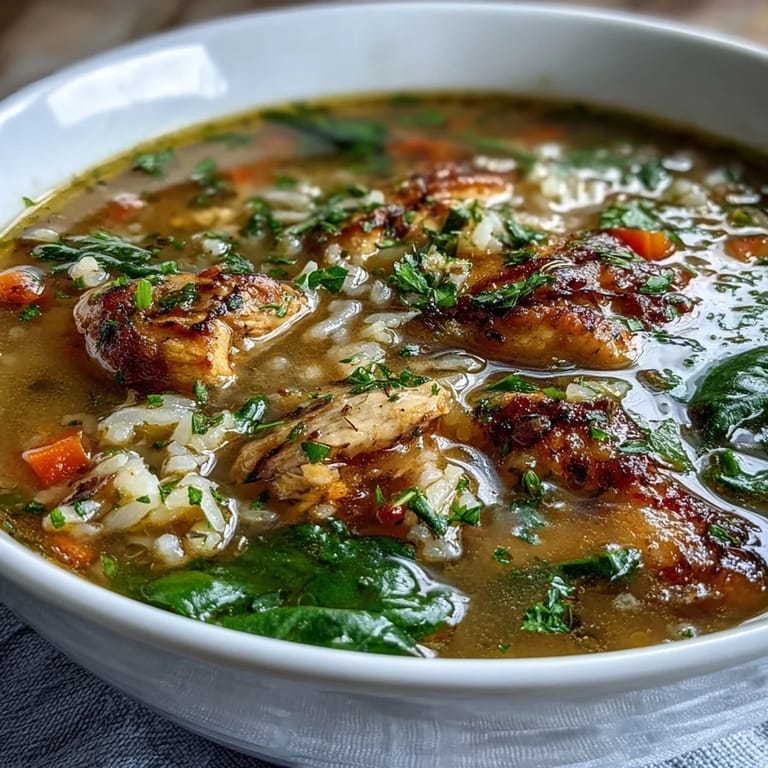
- Once it's boiling, reduce the heat to a gentle simmer, cover the pot, and let it cook for about 20 minutes, stirring occasionally so the rice doesn't stick to the bottom. The rice should be tender and the chicken should be cooked through, no pink inside.
- Finish with greens and brightness:
- Stir in your spinach or kale and let it wilt for 2 to 3 minutes, then taste for salt and pepper and add them if you need to. Squeeze in the lemon juice and stir in the fresh parsley right at the end, then remove and discard the bay leaf.
- Serve and savor:
- Ladle it into bowls and garnish with extra parsley if you want it to look like someone who knows what they're doing made it.
 Save
Save I remember my roommate coming home sick and finding this soup warming on the stove, and she just sat down and cried a little because someone had thought to make something nourishing for her body instead of just her stomach. That's when I understood that the best recipes aren't the complicated ones—they're the ones that show up when you need them most.
Why One Pot Makes All The Difference
There's something deeply satisfying about everything cooking together in one vessel, flavors mingling as they should, and minimal cleanup at the end. When you add the rice to vegetables that are already golden and aromatic, it absorbs all of that goodness from the ground up, tasting better than if you'd added it to plain broth. The one-pot method also means you're not juggling multiple burners or wondering if something is forgotten in another pan.
Making It Your Own
This soup is a canvas more than a rigid formula, and I've learned that the best versions are the ones where you add what you actually have and what you actually want. A parmesan rind simmered in the broth adds an umami depth that lingers in the background, and brown rice instead of white makes it earthier if you have the extra time. Some people add a can of drained chickpeas for vegetarian protein, and honestly it works beautifully.
Storing and Reheating With Grace
This soup keeps well in the refrigerator for about three days and tastes even better the next day once the flavors have had time to settle and deepen. The rice will absorb more liquid as it sits, so don't be alarmed if it goes from soupy to more like a stew—just add extra broth or water when you reheat and let it warm gently over medium heat instead of blasting it. Honestly, I've also frozen portions and thawed them on cold mornings when I needed something warm in my hands and something true in my belly.
- Taste for seasoning after reheating since flavors can mellow in the cold.
- Store in glass containers if you can, just because they make leftovers feel less like leftovers.
- A fresh squeeze of lemon juice right before eating can brighten up day-old soup surprisingly well.
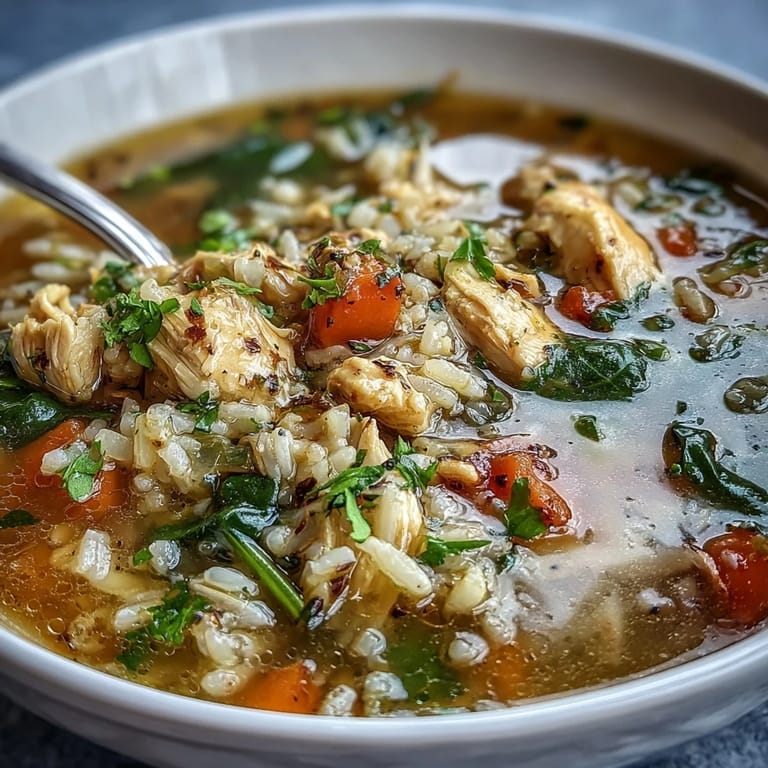 Save
Save This soup is the kind of recipe that quietly becomes part of your life, showing up whenever you need comfort that tastes like care. Make it, share it, and watch it become someone's favorite thing too.
Recipe Guide
- → Can I use brown rice instead of white rice?
Yes, brown rice can be used but will require a longer simmering time of about 35–40 minutes to become tender.
- → What kind of broth works best for this soup?
Low-sodium chicken broth is recommended to maintain control over the seasoning and balance with other ingredients.
- → Can leafy greens be substituted or omitted?
Spinach or kale work well for added nutrients and color, but they can be omitted or swapped with other greens as desired.
- → How do I prevent the soup from becoming too thick when reheating?
Add extra broth or water during reheating to maintain a desirable consistency, as the rice absorbs liquid over time.
- → Are there vegetarian alternatives for the protein component?
Yes, omit the chicken and replace chicken broth with vegetable broth, adding chickpeas or beans for protein.