 Save
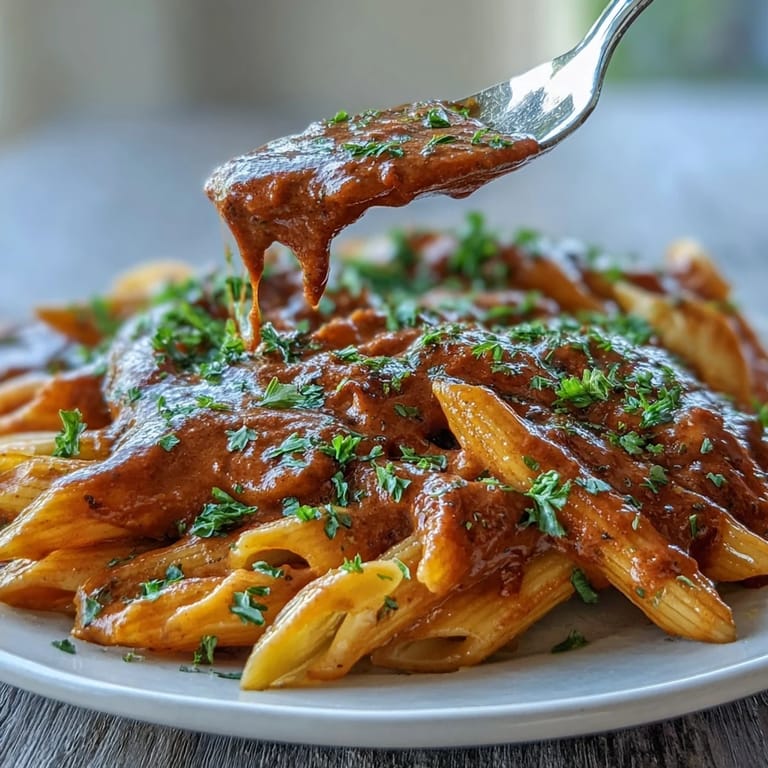
Save My friend Sarah showed up at my apartment one rainy Tuesday with a container of roasted red peppers from her farmers market haul, insisting I had to do something special with them. I'd been stuck in a pasta rut for weeks, making the same tired recipes on autopilot, so her enthusiasm felt like permission to experiment. That evening, I raided my pantry for lentils and plant milk, blended everything together on a whim, and somehow created the silkiest, most satisfying vegan sauce I'd ever tasted. The kitchen filled with this warm, smoky aroma that made the whole process feel less like cooking and more like discovering something I'd been missing. Now it's become my go-to dish when I want to impress people without spending hours in the kitchen.
I made this for my partner's parents during their visit last month, honestly a bit nervous about serving vegan pasta to people who aren't exactly adventurous eaters. But something shifted when they took their first bite—my mother-in-law actually put her fork down and asked what was in the sauce, suspicious it had cream in it. That moment of doubt turning into genuine delight is when I knew this recipe was a keeper. It's become the dish I make when I want to prove that plant-based cooking isn't about sacrifice, it's about flavor.
Ingredients
- Dried penne or fusilli pasta (340 g): The ridges and tubes catch the creamy sauce beautifully, though any pasta you love will work fine here.
- Roasted red bell peppers (2 large): If you have time, roast them yourself for deeper flavor, but jarred ones are genuinely excellent and I won't judge you for taking that shortcut.
- Cooked lentils (120 g): These become invisible in the blended sauce but transform it into something with actual staying power, plus they add earthiness that deepens everything.
- Plant-based milk (120 ml): Oat milk creates the richest texture, but almond and soy work beautifully too—just taste as you go since they vary slightly in sweetness.
- Nutritional yeast (2 tbsp): This is your secret weapon for umami depth; don't skip it even if the name sounds suspicious.
- Olive oil (2 tbsp total): Use good quality oil since you can actually taste it here, not the refined stuff hiding in the back of your cabinet.
- Tomato paste (1 tbsp): This adds concentrated sweetness and body that rounds out the smoky peppers.
- Smoked paprika (1 tsp): The soul of this dish, giving that warm, toasted flavor that makes people ask what you've done differently.
- Garlic and onion: These aromatics build the foundation—don't rush sautéing them because that caramelization matters more than you'd think.
- Dried oregano and fresh basil: Oregano goes into the sauce while basil stays fresh on top, and together they taste like a rustic Italian kitchen.
Tired of Takeout? 🥡
Get 10 meals you can make faster than delivery arrives. Seriously.
One email. No spam. Unsubscribe anytime.
Instructions
- Get your pasta water ready:
- Fill a large pot with salted water and bring it to a rolling boil while you prep everything else. Once the pasta hits the water, immediately set a timer and remember to scoop out that reserved pasta water before draining—this starchy liquid is what'll help you get the sauce to exactly the right consistency.
- Build your aromatics:
- Heat olive oil in a skillet over medium heat, then add your chopped onion and let it soften for about 4-5 minutes until the edges turn golden and it smells sweet. Add the minced garlic and let it sizzle for just one more minute until the whole skillet becomes fragrant, then remove from heat so nothing burns.
- Blend your magic sauce:
- Combine everything—the sautéed onion and garlic, those roasted red peppers, drained lentils, plant milk, nutritional yeast, tomato paste, and all your spices—into a blender and blend on high until you have something completely smooth and silky. This should take about a minute, and you want absolutely no texture remaining, just pure cream.
- Warm and adjust:
- Pour your sauce back into the skillet over low heat and stir in the remaining olive oil. Start adding your reserved pasta water one splash at a time, stirring between additions, until the sauce moves smoothly across your spoon but still coats it nicely.
- Bring it all together:
- Add your drained, still-warm pasta directly to the sauce and toss everything for about a minute until every strand is coated. The pasta will continue absorbing the sauce, so if it seems loose now, it'll be perfect in thirty seconds.
- Plate and celebrate:
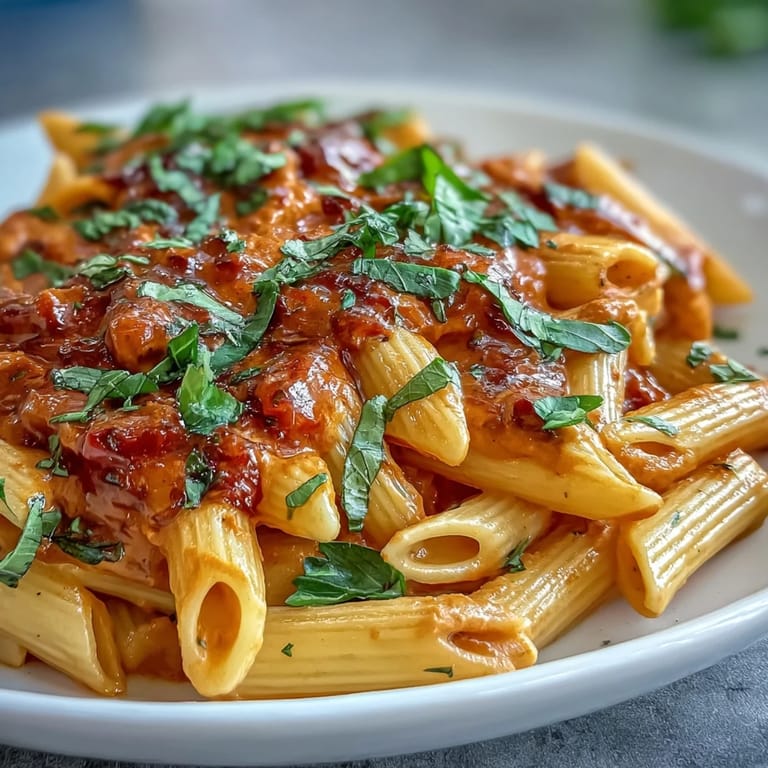
- Serve immediately into bowls while everything's still hot, then shower it with fresh basil, a sprinkle of vegan parmesan, and red pepper flakes if you like a little heat. This dish doesn't hold up well to reheating, so make only what you'll eat right now.
 Save
Save Last week my neighbor came over for dinner and watched me make this, then went home and texted me thirty minutes later to say she'd already bought ingredients to make it herself. There's something really special about creating something so delicious that people can't wait to recreate it in their own kitchens, and this pasta has that effect on everyone I've cooked it for.
The Secret Behind the Creaminess
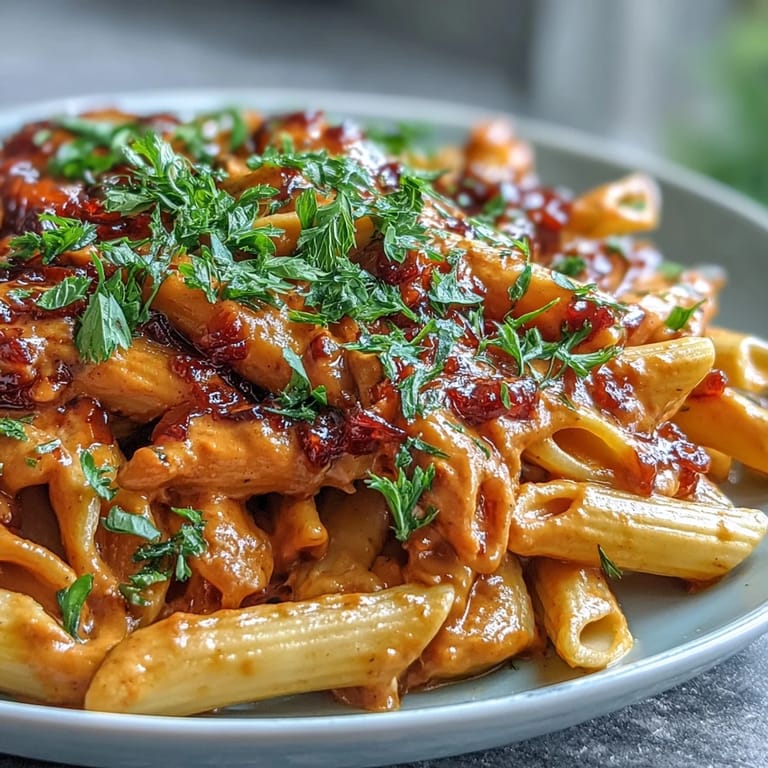
The magic here isn't cream or butter—it's the combination of blended lentils and plant milk creating a sauce with natural body and richness. The lentils essentially become invisible, but they're doing all the heavy lifting, turning what could have been thin and watery into something that feels luxurious. I learned this by accident when I was trying to bulk up a sauce without dairy, and now I use this technique for all sorts of plant-based cooking because it works so consistently.
Timing and Make-Ahead Thoughts
This dish is one of those recipes that truly shines when made fresh and eaten immediately, so I don't recommend preparing it ahead. However, you can absolutely roast your red peppers the day before, cook your lentils in advance, and even have your garlic and onion chopped and waiting. The actual assembly takes maybe ten minutes once you've got those components ready, which means you can pull together a restaurant-quality dinner on a busy weeknight without stress.
Playing with Variations
Once you understand the basic formula, this sauce becomes a playground for whatever you have on hand. I've added sautéed spinach, roasted zucchini, sun-dried tomatoes, and even white beans when I was out of lentils, and every version has been delicious in its own way. The foundation is so solid that it can handle additions without falling apart—just remember that every vegetable you add will slightly dilute the sauce, so maybe hold back slightly on the plant milk if you're making major changes.
- Red lentils create a slightly sweeter, more delicate sauce if you prefer less earthiness.
- Swap in white beans or chickpeas for a different protein texture that still blends smoothly.
- Add nutritional yeast or vegan parmesan to your garnish so people can adjust the savory depth to their taste.
 Save
Save This pasta has quietly become my favorite thing to make when I want to feel proud of my cooking without making it complicated. It's proof that plant-based cooking doesn't mean missing out on comfort or satisfaction.
Recipe Guide
- → Can I use gluten-free pasta?
Yes, substitute the pasta with your preferred gluten-free variety without altering the cooking method.
- → How do lentils affect the sauce texture?
Lentils add a creamy thickness and protein boost while keeping the sauce smooth when blended well.
- → What plant-based milks work best?
Oat, almond, or soy milk provide a neutral, creamy base that complements the sauce flavors.
- → Can roasted red peppers be replaced?
Jarred roasted red peppers are a convenient alternative and still deliver the signature smokiness.
- → How to adjust sauce consistency?
Add reserved pasta water gradually while heating to reach your desired creaminess and coating level.
- → What garnish options enhance flavor?
Fresh basil, vegan parmesan, and crushed red pepper flakes add aroma, richness, and a mild heat contrast.