 Save
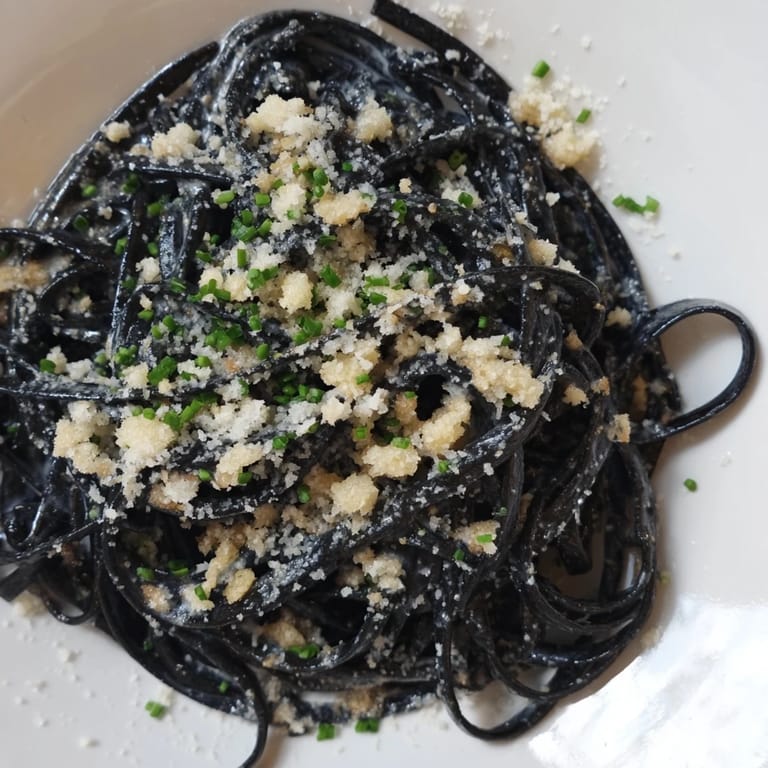
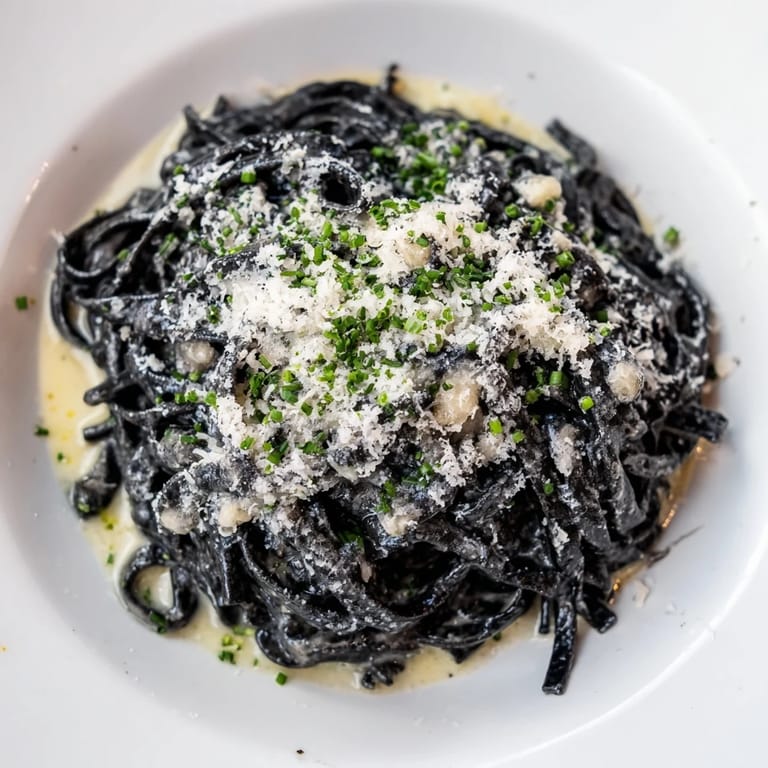
Save There's something about black pasta that stops conversation the moment it hits the table. I discovered squid ink pasta at a tiny restaurant in Venice, where the chef plated it with such ceremony that I felt compelled to order it despite my initial hesitation. The first bite—silky cream clinging to those dramatic black ribbons—erased any doubt. Now when I make it at home, that same quiet elegance fills my kitchen, and I realize it's easier to create than it seems.
I made this for my partner's birthday dinner when we were both too tired to dress up and go out. Cooking it together in our small kitchen, laughing at how the black pasta stained our fingers and made everything look slightly dramatic, turned into one of those unexpected perfect evenings. The meal was ready in under forty minutes, but the feeling lasted all night.
Ingredients
- Squid ink pasta (400 g): The foundation that gives this dish its signature look and subtle briny undertone—buy fresh if you can find it, though quality dried versions work beautifully too.
- Unsalted butter (2 tablespoons): Creates the silky base for your sauce; unsalted lets you control the seasoning without surprises.
- Shallot (1 small, finely chopped): Mellower than onion, sweeter when cooked, and dissolves into the sauce for a refined flavor foundation.
- Garlic cloves (2, minced): Just enough to whisper in the background rather than shout; any more and it overpowers the delicate briny notes.
- Dry white wine (150 ml): Adds brightness and lifts the richness; Pinot Grigio or Sauvignon Blanc both work wonderfully.
- Heavy cream (250 ml): The heart of the sauce, transforming wine and aromatics into something luxurious and velvety.
- Lemon zest (1 teaspoon): A hidden hero that cuts through richness and keeps the dish from feeling heavy.
- Salt and black pepper: Taste as you go—the pasta water and cheese add saltiness too.
- Parmigiano-Reggiano (50 g, grated): The finishing touch that adds umami depth without overwhelming the delicate squid ink flavor.
- Chives (1 tablespoon, chopped): Fresh, onion-like brightness that lifts each bite and adds a moment of green against the black.
Tired of Takeout? 🥡
Get 10 meals you can make faster than delivery arrives. Seriously.
One email. No spam. Unsubscribe anytime.
Instructions
- Get your water dancing:
- Fill a large pot with salted water—it should taste like seawater, not the Dead Sea. Bring it to a rolling boil before adding the pasta so it cooks evenly and doesn't stick.
- Cook the pasta to al dente:
- Follow the package timing, but start checking a minute before; you want a slight resistance when you bite, not mushy black ribbons. Scoop out and reserve half a cup of that starchy cooking water before draining.
- Build your aromatic base:
- Melt butter over medium heat in a large skillet, then add the shallot. After 2–3 minutes when it turns translucent and soft, add the garlic and cook just until the kitchen fills with that unmistakable fragrant hum.
- Deglaze with wine:
- Pour in the white wine and let it bubble gently for 2–3 minutes—you're cooking off the alcohol and letting the wine concentrate its flavor. You'll notice the sharper edge soften.
- Marry cream and seasoning:
- Lower the heat to gentle and stir in the cream and lemon zest, letting it warm through without boiling. Taste for salt and pepper, remembering that Parmesan will add saltiness later.
- Unite pasta and sauce:
- Add the drained pasta to the skillet and toss gently until every strand wears a silky coat. If it seems too thick, loosen it with reserved pasta water, a splash at a time, until it moves like silk.
- Finish and serve:
- Remove from heat immediately—the residual warmth is enough. Top each bowl generously with Parmesan, a scatter of chives, and a whisper of lemon juice if you like.
 Save
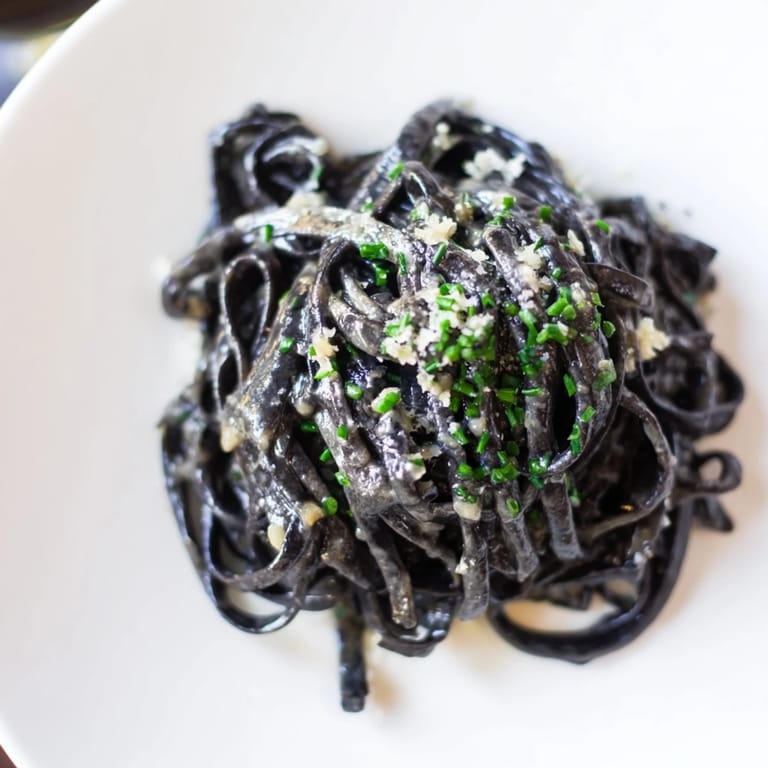
Save The first time I served this to my sister, she took one photograph, then immediately forgot the camera to actually eat it. That moment—when someone stops documenting and just experiences—told me everything about whether the recipe works.
Why This Dish Feels Special
Black pasta carries a certain theatrical energy that feels intentional and considered, yet it's surprisingly approachable to make at home. There's something generous about serving it—you're not trying to hide anything, just offering something that looks as good as it tastes. The cream sauce keeps it elegant without being fussy, which is honestly the best kind of cooking.
Pairing and Timing
Because the whole dish comes together in under forty minutes, it's perfect for weeknight indulgence or last-minute entertaining. Pair it with a crisp white wine—something with good acidity that echoes the lemon zest and balances the cream. A simple green salad with bright vinaigrette works as a palate cleanser, and you really don't need anything else except maybe good bread for soaking sauce.
Variations and Customizations
Once you master the basic version, the door opens to gentle experimentation. I've added sautéed shrimp on nights when I want more protein, or a handful of sautéed calamari rings when I'm feeling adventurous. Fresh parsley substitutes beautifully for chives if that's what you have, and a touch of mascarpone stirred in makes it even richer for special occasions.
- For seafood lovers, sauté shrimp or calamari separately and fold them in just before serving to keep them tender.
- A pinch of red pepper flakes adds unexpected warmth if you like subtle heat alongside richness.
- Finish with a small drizzle of good olive oil for extra silkiness and a flavor boost.
 Save
Save This dish proves that sometimes the most memorable meals come from a simple combination of quality ingredients treated with care and respect. Make it whenever you want to feel like you're cooking something worth savoring.
Recipe Guide
- → What gives the pasta its black color?
The distinctive black hue comes from squid ink, which adds a unique briny flavor and striking appearance.
- → How can I make the cream sauce silky?
Simmer the cream gently with butter, shallots, garlic, and white wine until slightly thickened, then toss with pasta and reserved cooking water to reach a glossy texture.
- → Can I add seafood to this dish?
Yes, sautéed shrimp or calamari can be added to enhance the flavor and texture, complementing the squid ink pasta well.
- → What wine pairs well with this meal?
A crisp Italian white wine like Pinot Grigio complements the richness and balances the briny notes of the ink.
- → Are there allergen concerns to consider?
This dish contains dairy and gluten, and depending on the squid ink pasta source, may include shellfish allergens. Always verify ingredients if sensitive.