 Save
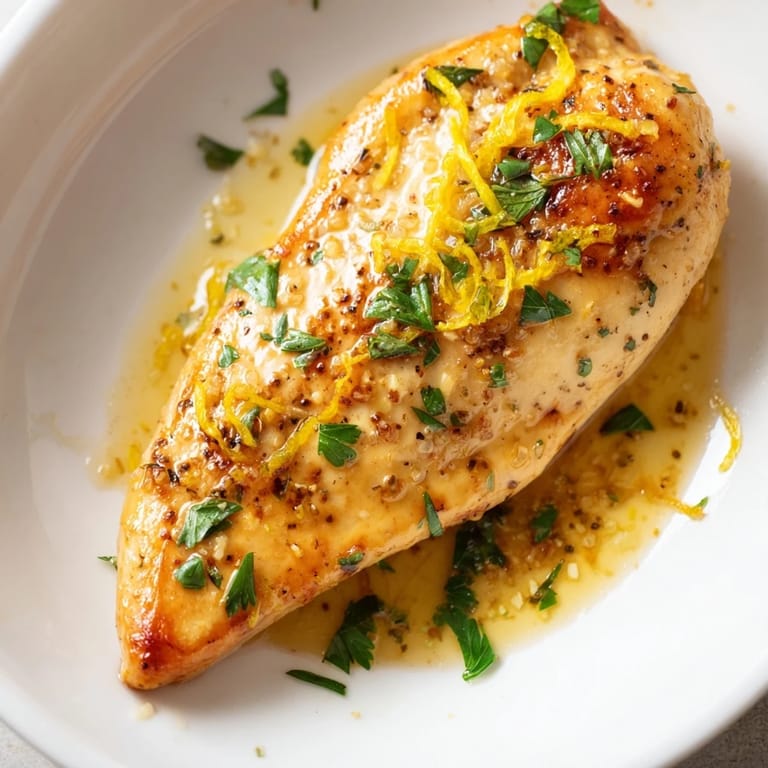
Save There was a Tuesday evening when I had exactly half an hour before everyone arrived and nothing defrosted. I grabbed chicken breasts from the freezer, ran them under cold water, and improvised with what was already in the fridge: a lemon, some butter, and the pepper grinder. What came out of that skillet tasted like I'd been planning it all week. That's when I realized some of the best meals don't come from elaborate prep, they come from trusting a hot pan and bright, simple flavors.
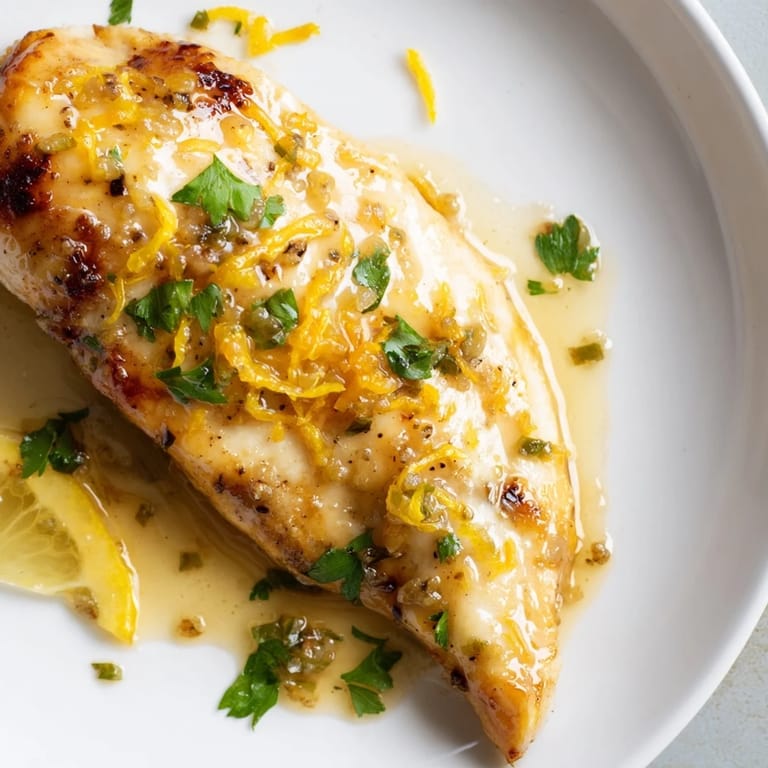
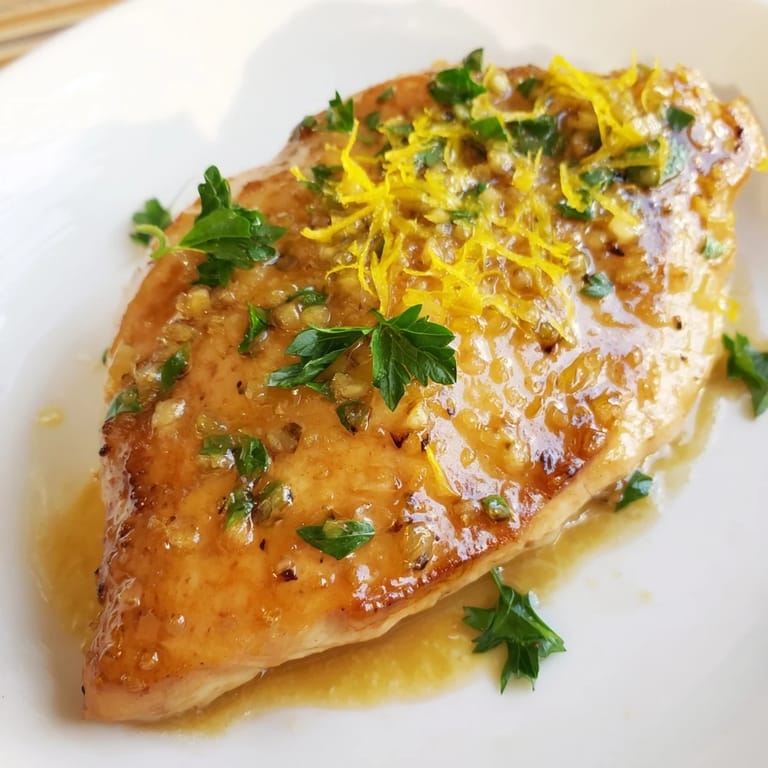
I've made this for friends who claimed they didn't like chicken because it always came out dry. They went quiet after the first forkful, then asked for seconds. The trick isn't fancy technique, it's just paying attention to the sizzle and not walking away from the stove. That golden crust and the way the sauce pools around the edges? That's what turned them into believers.
Ingredients
- Boneless, skinless chicken breasts: Choose breasts that are similar in size so they cook evenly, and if they're thick, pound them gently to an even thickness.
- Salt and black pepper: Season generously, these two alone build the foundation of flavor before anything else touches the pan.
- All-purpose flour: A light dusting creates that crisp, golden exterior and helps the sauce cling beautifully.
- Olive oil: Use enough to coat the bottom of the skillet, it prevents sticking and helps develop that gorgeous sear.
- Unsalted butter: The richness here is non-negotiable, it turns the sauce silky and rounds out the brightness of the lemon.
- Garlic: Mince it finely so it melts into the butter without burning, just 30 seconds is all it needs.
- Lemon zest and juice: Zest first before juicing, and use a fresh lemon because bottled juice just doesn't have the same spark.
- Freshly ground black pepper: Crack it fresh for the sauce, the flavor is sharper and more aromatic than pre-ground.
- Fresh parsley: Optional but worth it, the green flecks add a pop of color and a hint of freshness at the end.
Tired of Takeout? 🥡
Get 10 meals you can make faster than delivery arrives. Seriously.
One email. No spam. Unsubscribe anytime.
Instructions
- Prep the Chicken:
- Pat each breast completely dry with paper towels, any moisture will prevent a good sear. Season both sides with salt and pepper, then press gently so the seasoning sticks.
- Dredge Lightly:
- Drag each piece through the flour, then shake off the excess so you have just a thin, even coat. Too much flour and it turns gummy, too little and you lose that crisp.
- Sear the Chicken:
- Heat the olive oil in a large skillet over medium-high until it shimmers, then lay the chicken in without crowding. Let it cook undisturbed for 5 to 6 minutes per side until golden and the internal temperature hits 74°C, then transfer to a plate and cover loosely.
- Build the Sauce:
- Lower the heat to medium, drop in the butter, and let it melt completely. Add the minced garlic and stir for about 30 seconds until it smells nutty and fragrant, but don't let it brown.
- Add the Lemon:
- Stir in the lemon zest, juice, and black pepper, then let it simmer for a minute or two while you scrape up all those browned bits stuck to the pan. That's where the flavor lives.
- Finish and Serve:
- Return the chicken to the skillet, spoon the sauce over the top, and let everything warm together for another minute or two. Garnish with parsley if you have it, then serve immediately while the sauce is still glossy.
 Save
Save One night I plated this with nothing but steamed green beans and a pile of mashed potatoes, and my neighbor said it tasted like something her grandmother used to make on Sundays. I hadn't been aiming for nostalgia, but somehow the lemon and butter together just felt like home. That's the magic of simple food done right, it reaches people in ways you don't expect.
What to Serve It With
This chicken begs for something to soak up the sauce, so I usually reach for rice, buttery mashed potatoes, or even crusty bread. A simple green salad with a sharp vinaigrette cuts through the richness, and roasted vegetables like asparagus or Brussels sprouts add a nice charred contrast. Keep the sides light and let the chicken be the star.
Swaps and Tweaks
If you prefer dark meat, swap in boneless thighs and add a minute or two to the cooking time. For a little heat, toss in a pinch of red pepper flakes with the garlic. You can also use gluten-free flour without any difference in texture, and if you're out of fresh lemon, Meyer lemon or even a splash of white wine works in a pinch.
Storing and Reheating
Leftovers keep well in an airtight container in the fridge for up to three days, though the crust softens a bit. Reheat gently in a skillet over low heat with a splash of water or broth to bring the sauce back to life. I don't recommend the microwave, it turns the chicken rubbery and the sauce breaks.
- Slice leftover chicken and toss it into a grain bowl or wrap for an easy lunch.
- Freeze cooled chicken in sauce for up to two months, then thaw overnight in the fridge.
- Reheat from frozen in a covered skillet over low heat, adding a little extra butter or lemon juice to freshen it up.
 Save
Save This is the kind of recipe that makes weeknight cooking feel less like a chore and more like a small act of care. Once you've made it a few times, you'll stop measuring and just cook by feel, and that's when it really becomes yours.
Recipe Guide
- → How do I know when the chicken is cooked through?
The internal temperature should reach 74°C (165°F) when measured with a meat thermometer. The chicken will also be golden brown on the outside and the juices will run clear when pierced.
- → Can I use chicken thighs instead of breasts?
Yes, chicken thighs work wonderfully with this sauce. They're naturally more forgiving and flavorful. Increase cooking time by 2-3 minutes per side since thighs are thicker than breasts.
- → What's the best way to prevent the chicken from drying out?
Don't overcook the chicken. Use a meat thermometer to ensure accuracy, and remove from heat the moment it reaches 165°F. Patting the chicken dry before cooking also helps achieve better browning and more even cooking.
- → How should I serve this dish?
Serve with rice, mashed potatoes, or a fresh green salad to soak up the delicious sauce. A crisp Chardonnay or Sauvignon Blanc pairs beautifully with the bright lemon flavors.
- → Can I make this gluten-free?
Absolutely. Simply substitute the all-purpose flour with gluten-free flour blend. The rest of the ingredients are naturally gluten-free, making this an excellent option for gluten-sensitive diners.
- → How can I add more heat to this dish?
Stir a pinch of red pepper flakes into the butter sauce during cooking. You can also add fresh chili or cayenne pepper to taste. Start with a small amount and adjust according to your preference.