 Save
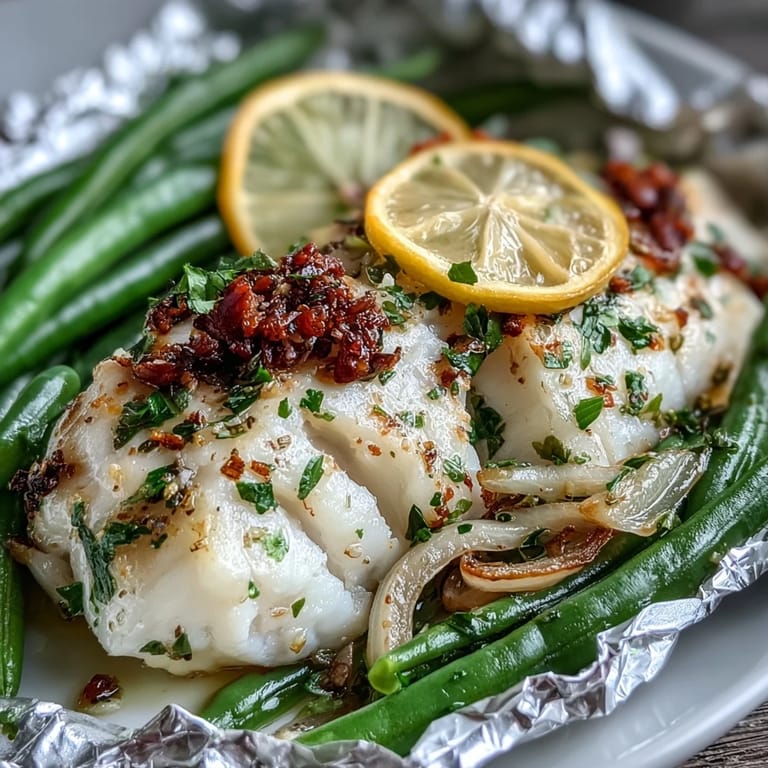
Save There's something almost meditative about assembling these foil packets on a busy weeknight when everything feels rushed. The smell of fresh lemon and garlic hitting the warm foil is honestly the moment I knew this would become my go-to when I needed to feel like I was taking care of myself without spending an hour in the kitchen. My partner actually asked for seconds without realizing how light it was, which felt like winning the dinner lottery.
I made this for my sister who'd just started trying to eat healthier, and watching her open that steaming packet with the lemon slices still bright and fragrant on top—that's when I realized how simple cooking can still feel like an occasion. She texted me the recipe the next day asking if I could make it again, which is basically the highest compliment a cook can get.
Ingredients
- Tilapia fillets (4, about 4 oz each): This mild white fish practically melts and steams perfectly in foil, but you can absolutely swap in cod or sole if that's what's fresh at your market.
- Fresh green beans (12 oz): They stay crisp-tender inside the packet and absorb all those lemony flavors without getting soggy.
- Red onion (1 small): The thin slices soften and sweeten slightly as they steam, adding subtle depth without overpowering the fish.
- Fresh lemon (1, sliced): Those thin slices on top aren't just pretty—they infuse the whole packet with brightness as they heat.
- Fresh lemon juice (3 tablespoons): The acid is your secret weapon for keeping everything tasting fresh and preventing that dense, fishy quality some people dislike.
- Olive oil (2 tablespoons): Just enough to carry the flavors and keep the fish from drying out during steaming.
- Garlic (2 large cloves, minced): Mince these fine so they distribute evenly throughout each packet rather than getting stuck in one spot.
- Dried oregano or Italian seasoning (1 teaspoon): Dried herbs actually work better here than fresh because they don't wilt into invisibility during steaming.
- Salt and black pepper: Season generously—the foil traps steam and flavors, so you need a confident hand here.
- Fresh parsley (2 tablespoons, chopped): This is optional but honestly worth it for that final pop of color and freshness right when you open everything up.
Tired of Takeout? 🥡
Get 10 meals you can make faster than delivery arrives. Seriously.
One email. No spam. Unsubscribe anytime.
Instructions
- Heat your oven and gather your mise en place:
- Get the oven to 400°F while you're prepping everything—this way the packets go in the moment they're sealed and nothing sits around getting soggy. Having all your ingredients measured and ready means you're not scrambling while foil is unraveling across your counter.
- Whisk the marinade together:
- In a small bowl, combine lemon juice, olive oil, minced garlic, oregano, salt, and pepper, stirring until it looks unified and fragrant. This is the moment the whole kitchen starts smelling like something special is happening.
- Build your foil packets:
- Tear four large sheets of foil and lay them out shiny-side up on your work surface. Divide the trimmed green beans evenly in the center of each sheet, then layer on a small handful of red onion slices—think of it as building flavor layers rather than just tossing everything together.
- Add the tilapia:
- Pat each fillet completely dry with paper towels—this tiny step prevents the fish from steaming in its own moisture and getting that unpleasant mushy texture. Place one fillet on top of the vegetable bed, laying it flat so the marinade will coat it evenly.
- Season and finish assembly:
- Drizzle each fillet with the lemon-garlic mixture, letting it pool slightly around the edges where the vegetables can catch it. Top with 2 or 3 lemon slices, positioning them so they'll make contact with the fish as everything heats.
- Seal the packets tightly:
- Fold the foil over to create a tent, then fold the edges inward in overlapping folds to trap the steam completely. A well-sealed packet will puff slightly in the oven, which is your visual cue that everything is cooking properly.
- Bake until just cooked through:
- Place packets on a baking sheet and bake for 18 to 20 minutes—the tilapia should be opaque and flake with the gentlest pressure from a fork. Overcooking is the only real mistake you can make here, so don't wander off and forget about them.
- Open carefully and serve:
- Let each person open their own packet if possible because that steam release and the aroma is genuinely part of the experience. Sprinkle parsley on top if you're using it, then serve immediately with whatever side feels right.
 Save
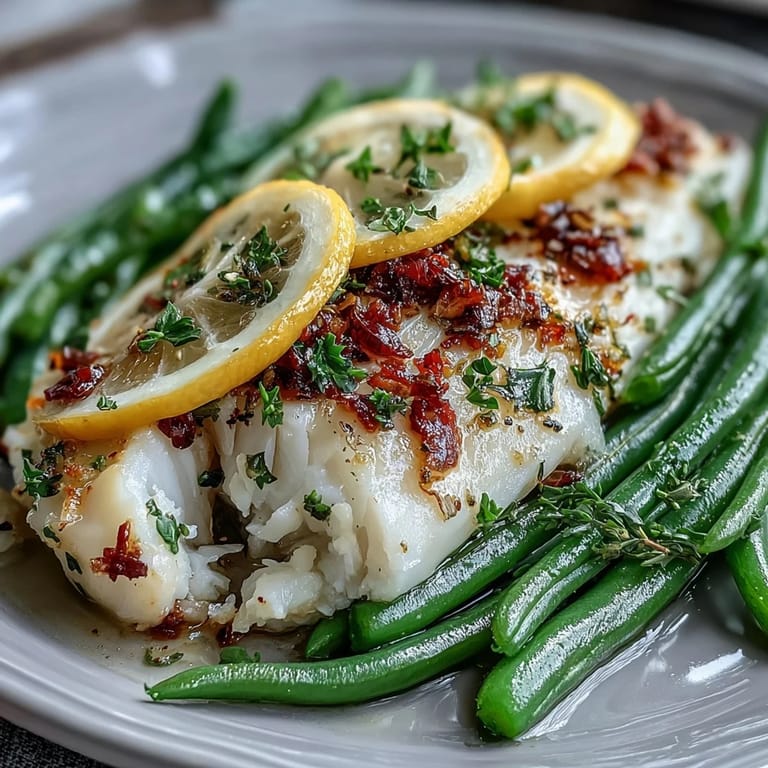
Save There was this one evening when I made these for myself after a long day, and I remember sitting at the kitchen counter just breathing in the steam from that open packet for a solid minute before eating. Food that makes you pause like that, that feels nourishing on a level beyond calories, that's when you know you've found something worth keeping in rotation.
Why Foil Packets Actually Change Everything
Steaming inside foil isn't just a cooking technique—it's basically a gift to your future self in terms of cleanup and quality. The fish stays impossibly moist because it's cooking in its own steam rather than direct heat, which means even if you accidentally leave it in the oven 2 minutes too long, you won't end up with something dry and regrettable. Plus, there's something about opening your own packet that makes even a simple dinner feel like an occasion.
Swaps and Variations That Actually Work
While tilapia is forgiving and affordable, you can absolutely use cod, sole, or even halibut if that's what looks good at your market—just adjust cooking time slightly if your fillets are thicker. I've added a pinch of red pepper flakes when I was in the mood for gentle heat, and it integrates beautifully into the citrus without overpowering it. The beauty of this method is that the foil creates a controlled environment where pretty much any mild white fish will thrive.
Serving Suggestions and Timing Tips
These packets are perfectly balanced as a meal on their own, but if you want a starch, quinoa or brown rice won't push you over calorie goals while adding substance to the plate. I've also served these over cauliflower rice when I wanted to keep things even lighter, and the lemon-garlic broth is absolutely worth drizzling over whatever grain you choose. The whole operation—from prep to plated—takes 30 minutes start to finish, which makes this genuinely feasible on a weeknight when you're exhausted.
- Open packets very carefully because the steam that escapes is legitimately hot and will surprise you if you're not expecting it.
- You can assemble the packets an hour or two ahead and refrigerate them, then pop them straight into the oven when you're ready to cook.
- Leftovers are fine cold the next day, though the lemon flavor mellows slightly—eat them within 24 hours for best quality.
 Save
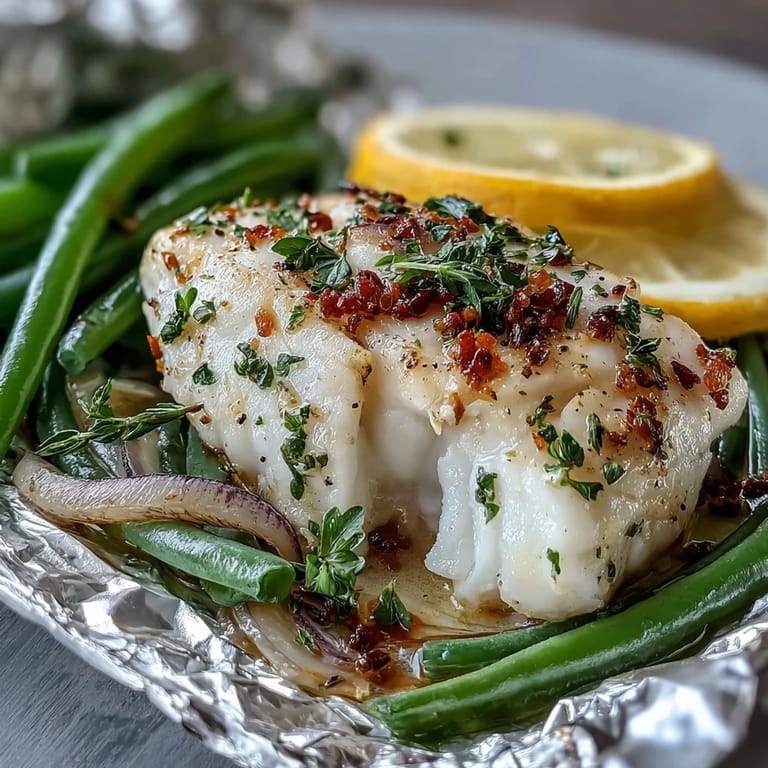
Save This recipe proved to me that eating well doesn't have to mean spending your evening stressed in the kitchen. It's become the kind of dinner I make when I want to feel taken care of by my own cooking.
Recipe Guide
- → What fish substitutes can I use?
You can replace tilapia with cod, sole, or another mild white fish to suit your preference.
- → Can I add heat to the dish?
Yes, a pinch of chili flakes can be added to the marinade for a gentle spicy kick.
- → How do I ensure the fish is cooked properly?
Bake until the fish flakes easily with a fork and becomes opaque, typically 18-20 minutes at 400°F (200°C).
- → What sides pair well with this entrée?
Serve alongside quinoa, brown rice, or a fresh salad for a balanced meal.
- → Is aluminum foil necessary for cooking?
Foil packets help steam the fish and vegetables evenly, locking in moisture and flavors.