 Save
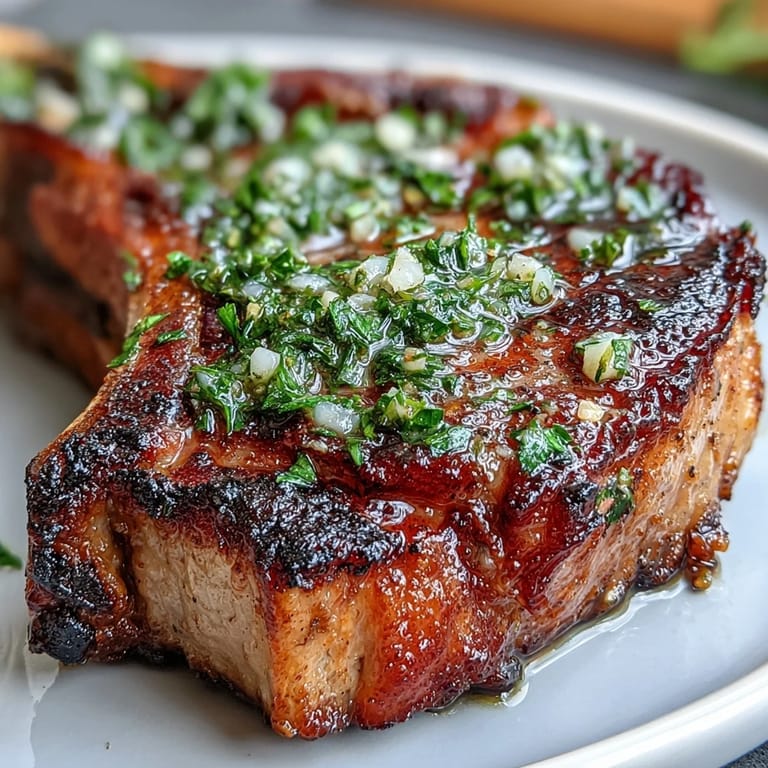
Save As soon as the sizzle of lamb chops hitting a hot skillet fills the kitchen, I know I'm in for something special. The sharp, almost electric scent of freshly zested lemon always manages to coax a smile out of me. I stumbled onto this combination of lamb and gremolata after craving something bright without much fuss. The mix of crisp herbs and savory juices manages to feel both earthy and elegant, making it just right for cooler evenings or a midweek treat. Even when rushed, I find myself slowing down to breathe in all those fresh aromas.
I once made these lamb chops as the sun set after a long, grey day—our only light came from the stove and the promise of good food. My friend hovered nearby, stealing parsley leaves and grinning through lemon zest clouds. We barely waited for the five minute rest before diving in and, honestly, our laughter made the whole meal taste brighter. There's just something about sharing this dish with someone that sharpens every flavor. It became our go-to for whenever the mood called for something warm and celebratory without being complicated.
Ingredients
- Lamb rib chops (about 1.5 lbs / 700 g): Pick chops with a little fat for juiciness—letting them reach room temperature first helps them brown more evenly.
- Olive oil: I always use one tablespoon for its fruity depth; swirling it in a hot pan guarantees a golden crust.
- Kosher salt: A full teaspoon may sound generous, but it helps amplify the lamb’s rich flavor.
- Freshly ground black pepper: Crack it just before seasoning for a subtle heat and aroma.
- Fresh flat-leaf parsley: Half a cup of finely chopped leaves brings grassy, vivid color to the gremolata—don’t be shy about packing it in.
- Lemon zest: Zest of one large lemon, taken directly over the bowl so the citrus oils don’t go to waste.
- Garlic cloves: Two finely minced cloves make the gremolata sing—press or mince as finely as patience allows.
- Extra-virgin olive oil: This final tablespoon ties together the herbs and citrus, sometimes I add a little more if the mix feels dry.
- Sea salt (pinch): Just enough to balance the sharp flavors of the gremolata.
Tired of Takeout? 🥡
Get 10 meals you can make faster than delivery arrives. Seriously.
One email. No spam. Unsubscribe anytime.
Instructions
- Season the lamb:
- Pat each chop dry and scatter the salt and pepper on both sides until they glisten a bit; don’t be afraid to use your hands.
- Heat your skillet:
- Swirl a tablespoon of olive oil in a large skillet over medium-high heat, listening for that first faint hiss from the pan.
- Perfect the sear:
- Add the chops without crowding them; after three to four minutes, flip for a beautifully browned crust and let the other side cook just as long for a blushing pink center.
- Rest those beauties:
- Slide the chops onto a plate and let them rest for five minutes, resisting the urge to slice; this keeps their juices where they belong.
- Mix up the gremolata:
- While the lamb rests, mix parsley, lemon zest, garlic, extra-virgin olive oil, and a pinch of sea salt in a small bowl until vibrant and slightly loose.
- Plate and finish:
- Arrange the chops on a platter and heap the gremolata over the top, making sure every bite gets a burst of freshness—serve immediately.
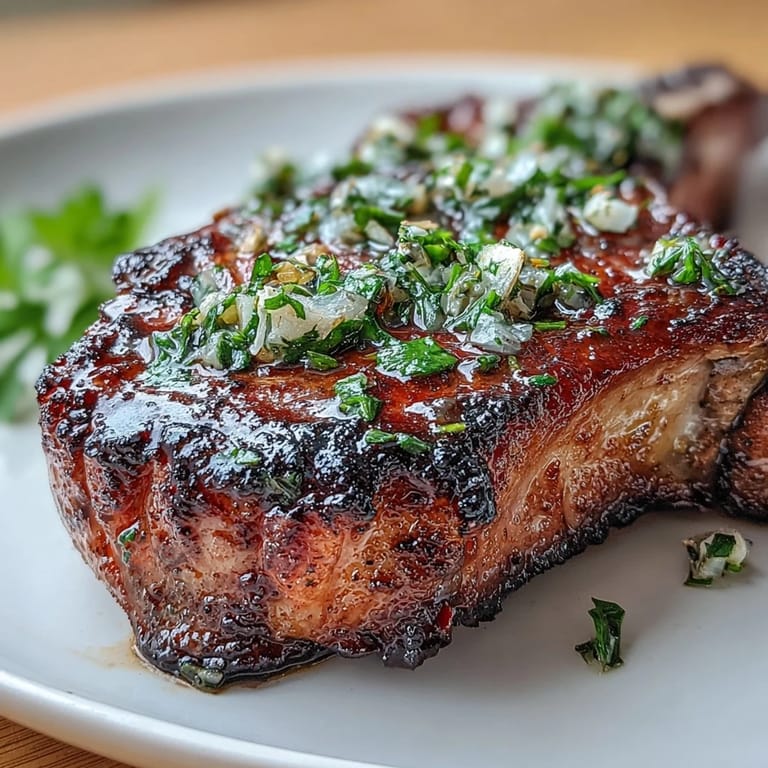 Save
Save There was a night, not too long ago, when these chops transformed a usual Tuesday dinner into something that felt almost like a celebration. It was one of those impromptu meals—no special occasion, just the pleasure of sharing good food that was a little out of the ordinary. Moments like that, the kitchen feels brighter and everyone eats a little slower, savoring every bite as if they knew not to take it for granted.
How to Keep Lamb Juicy
If you’ve ever found your lamb on the dry side, the secret is letting it rest and not poking or pressing it in the pan. The tiny pool of juices that’s left after resting always reassures me that patience really does pay off, even for a simple dinner.
Playing With Gremolata Flavors
The classic gremolata is bright and garlicky, but sometimes I'll toss in a few mint leaves for extra freshness, or add the tiniest pinch of chili for a playful kick. The real joy is discovering which twist makes your palate sing.
Pairing Suggestions for Your Table
I find that the sharp pop of gremolata pairs well with soft, earthy sides—think roasted potatoes or a simple arugula salad with just lemon and olive oil. The contrast lets each component stand out and keeps the meal feeling light, never heavy.
- Add a handful of toasted pine nuts to the salad for crunch.
- Serve with a lightly chilled red wine for balance.
- Always finish the meal with a squeeze of extra lemon for brightness.
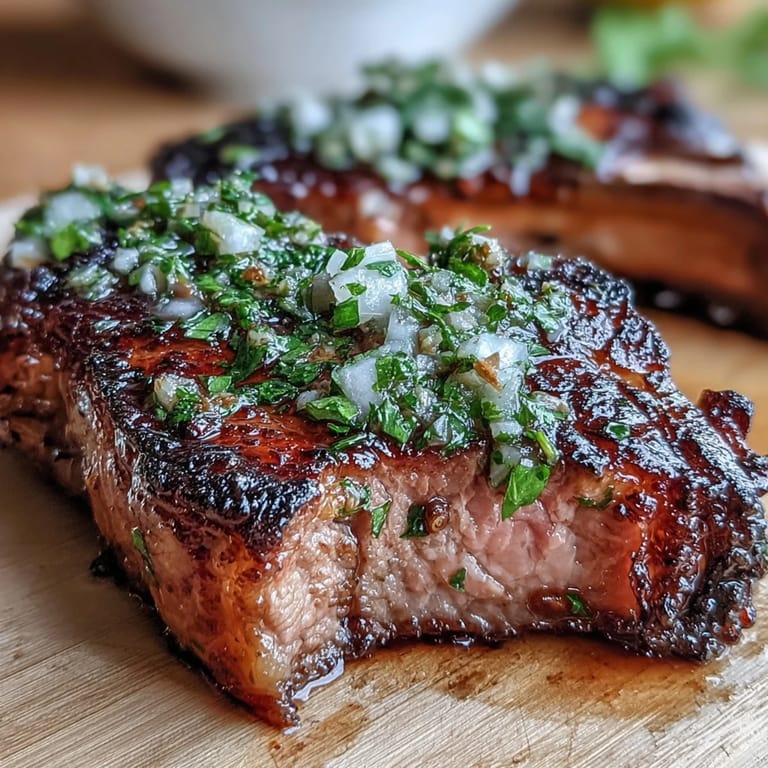 Save
Save There’s always an extra chop or two when friends linger at the table, and that’s just how I like it. Hope you find your own easy celebration with this dish, however ordinary the day may be.
Recipe Guide
- → How long to sear lamb chops for medium-rare?
Sear lamb rib chops 3–4 minutes per side over medium-high heat for a medium-rare interior. Thickness and stove heat vary, so check for a warm, pink center and let rest 5 minutes before serving.
- → Can I use a different cut of lamb?
Yes. Sirloin or loin chops work well with the same sear method; adjust cooking time for thicker or leaner cuts and aim to rest the meat to redistribute juices.
- → How long does gremolata keep?
Fresh gremolata is best used the same day. Stored in an airtight container in the fridge, it will keep 1–2 days but may lose brightness; stir in a little olive oil before serving if it seems dry.
- → What are good side pairings?
Roasted potatoes, buttery polenta or a simple arugula salad complement the lamb’s richness and the gremolata’s brightness. Choose a lightly dressed green to balance the dish.
- → How can I add heat or aromatics?
Add a pinch of chili flakes to the gremolata for heat or fold in fresh mint for an herbaceous twist. Both options brighten the finish without overpowering the lamb.
- → What pan and tools give the best sear?
Use a heavy-bottomed large skillet and preheat it until hot, then add a splash of oil. Tongs help turn the chops for an even crust; avoid overcrowding the pan to maintain high heat.