 Save
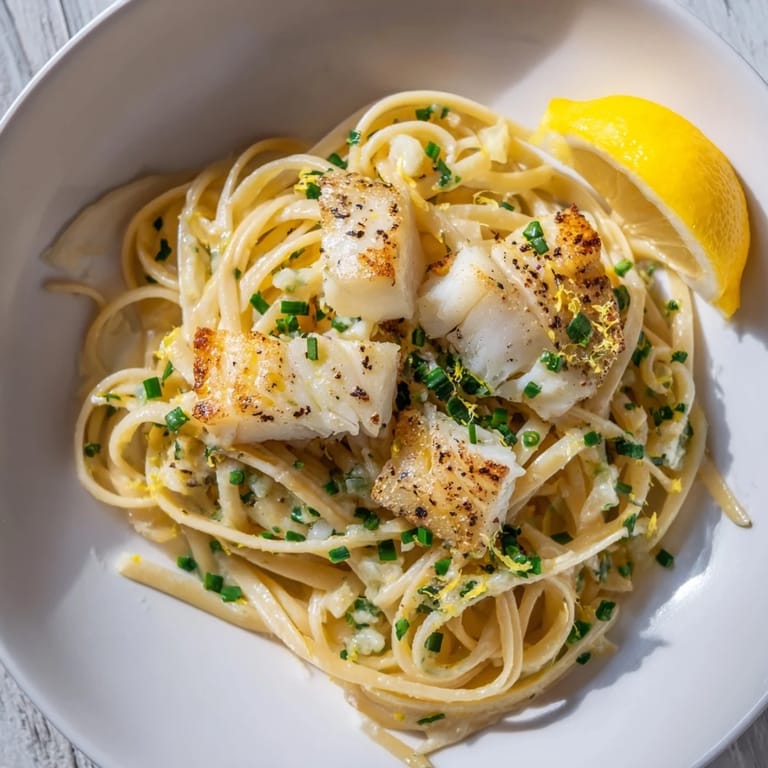
Save There's something about the sound of fish hitting a hot pan that makes me feel like I'm cooking in a little trattoria somewhere on the coast. My neighbor Marco once brought over some beautiful cod from the market, and I decided on the spot to toss it with pasta and lemon, just to see what would happen. Twenty minutes later, we were both twirling forks and wondering why we hadn't made this a hundred times before. It's become my go-to when I want something that tastes fancy but comes together faster than ordering takeout.
I made this for my sister during one of those perfect late-summer evenings when everything feels effortless and the kitchen smells so good you almost don't want to eat. She took one bite and asked if I'd been taking secret cooking classes, which made me laugh because it's really just good ingredients and a bit of attention. That's when I realized how much I love dishes that make people feel cared for without all the fuss.
Ingredients
- Firm white fish fillets (cod, haddock, or sea bass): The backbone of this dish, choose fish that's fresh and flakes easily when cooked, about 500g total.
- All-purpose flour: A light dredge creates that golden, delicate crust that catches the heat just right.
- Sea salt and black pepper: Season the fish generously before cooking, these simple seasonings let the fish flavor shine.
- Olive oil: Use 2 tbsp for cooking the fish in the skillet, it should be hot and shimmering before the fillets touch down.
- Spaghetti or linguine: About 350g, the thinner strands work best to catch the buttery lemon sauce.
- Unsalted butter: Two tablespoons create the base for your aromatic sauce, don't skip this.
- Garlic, lemon zest, and fresh lemon juice: These three carry the flavor of the whole dish, use fresh garlic and a real lemon, never from a bottle.
- Fresh parsley and chives: Chopped right before serving, they add brightness and prevent the dish from feeling heavy.
- Chili flakes: Optional but I always add them, just a whisper gives everything a subtle warmth.
- Extra virgin olive oil: A finishing drizzle brings everything into harmony.
Tired of Takeout? 🥡
Get 10 meals you can make faster than delivery arrives. Seriously.
One email. No spam. Unsubscribe anytime.
Instructions
- Get the pasta started:
- Fill a large pot with water, salt it well so it tastes like the sea, and bring it to a rolling boil. Add your pasta and let it cook until it bends easily but still has a little resistance when you bite it, usually about 8-10 minutes.
- Prepare the fish:
- While the water heats, pat your fish fillets completely dry with paper towels—this is the secret to that crispy exterior. Season both sides generously with salt and pepper, then dust lightly with flour, tapping off any excess so you don't end up with a thick coat.
- Get the fish golden:
- Heat olive oil in a large skillet over medium-high heat until it shimmers and moves like water. The moment you lay the fish in, you should hear it sizzle, which means everything is at the right temperature. Cook for 3-4 minutes per side until the outside is golden and crispy, then transfer to a plate and let it rest.
- Build the sauce base:
- In the same skillet, reduce the heat to medium, add butter and finely chopped garlic, stirring gently until everything smells incredibly aromatic, about a minute. Stir in the lemon zest and a pinch of chili flakes if you like, and let that warm through.
- Bring it all together:
- Add your drained pasta to the skillet with the butter and garlic, tossing to coat everything evenly. Pour in the fresh lemon juice and some of that reserved pasta water—start with a quarter cup and add more as needed to create a light sauce that clings to each strand.
- Finish with gentle hands:
- Flake the rested fish into bite-sized pieces and fold them into the pasta with a gentle hand, tossing lightly so the fish stays in chunks rather than breaking apart. Scatter in the fresh parsley and chives, drizzle with a little extra virgin olive oil, and taste for seasoning.
- Plate and serve:
- Divide among four bowls while everything is still warm, top with a crack of black pepper and fresh lemon wedges on the side for people to squeeze over as they eat.
 Save
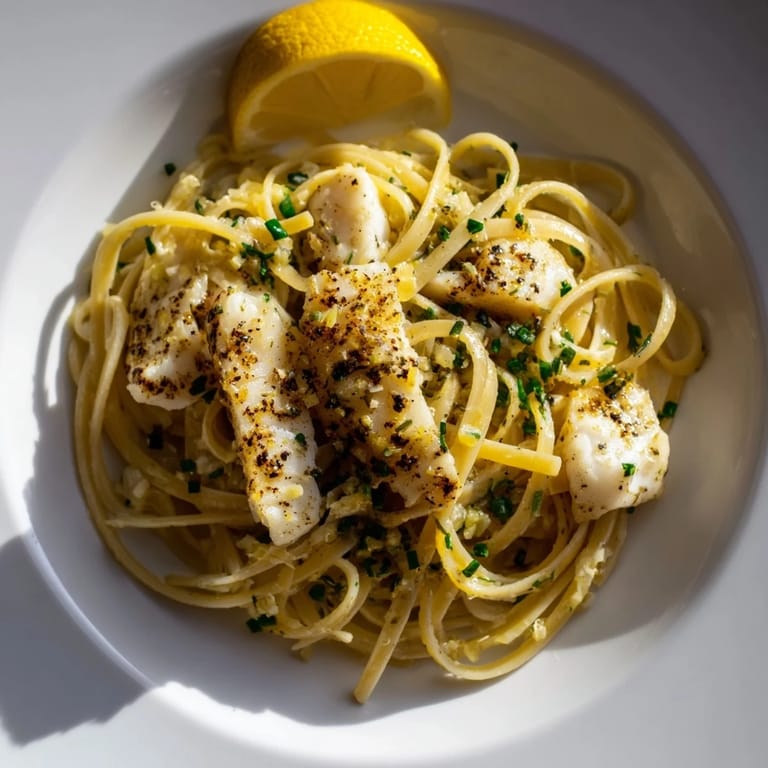
Save I remember the moment I understood this dish wasn't just about feeding people, it was about giving them a few minutes where everything felt light and easy and tasted like the sea. My dad took one bite and closed his eyes, and I realized that the best recipes are the ones that make people slow down.
The Secret to Perfect Fish Every Time
The difference between fish that's delicate and tender and fish that's dry and rubbery comes down to two things: not cooking it past the moment it's done, and respecting how delicate it really is. Once the flesh turns opaque all the way through and flakes easily with a fork, stop—it will continue cooking slightly as it rests. I learned this the hard way after overcooking countless fillets, thinking I needed to push it further. Now I give it a gentle poke with my finger to feel the firmness, and I've never made dry fish since.
Making This Your Own
While the foundation of this dish is really about fish, pasta, and lemon, there's room to play. I've made it with capers scattered through the pasta for a briny pop, and once I added a handful of peppery arugula right at the end, which added texture and a little green freshness. The chili flakes are optional, but I find even a small amount brings all the other flavors into focus. Don't be afraid to adjust the lemon juice or butter to your taste, this is a forgiving dish that rewards confidence.
Pairing and Storage
This dish is meant to be eaten right away while the pasta is still warm and the herbs are bright, so plan to serve it immediately. A chilled glass of Sauvignon Blanc or Pinot Grigio alongside makes everything taste even better, especially the way the acidity of the wine plays with the lemon in the dish. If you somehow have leftovers, store them in an airtight container in the refrigerator for up to one day, though honestly, reheating pasta with fish never quite captures the magic of the first serving.
- Taste as you go and adjust the salt, lemon juice, and pasta water to create a sauce that feels right to you.
- If you want to make this dairy-free, use olive oil instead of butter and it becomes just as delicious.
- Any firm white fish works here, so use whatever looks freshest at your market on the day you're cooking.
 Save
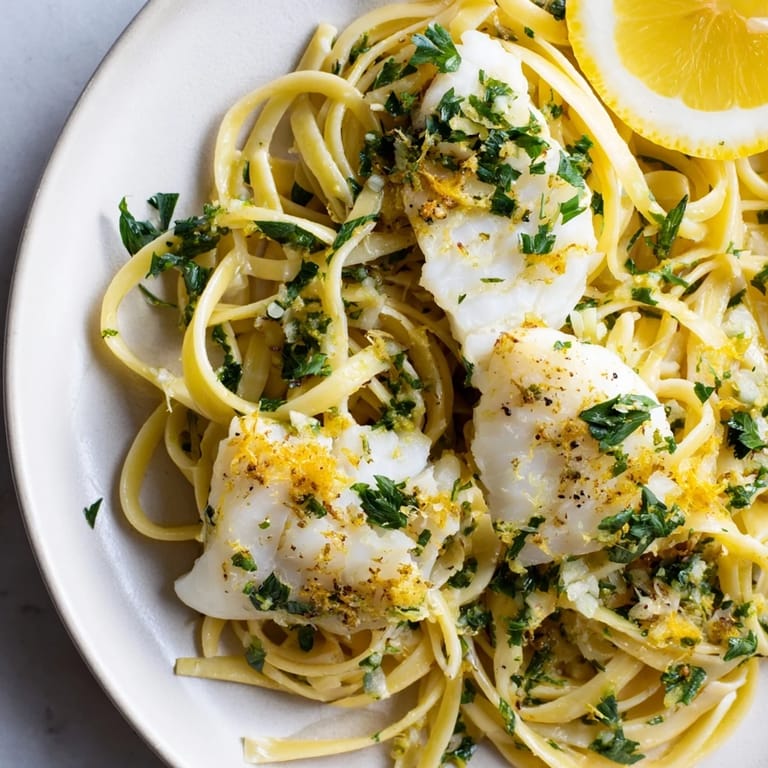
Save This is the kind of dish that reminds me why I love cooking in the first place—something so simple becomes something so complete. It's fresh and bright and tastes like care.
Recipe Guide
- → What type of fish works best for this dish?
Firm white fish like cod, haddock, or sea bass hold their shape well when pan-fried and flaked, providing a crispy texture and mild flavor.
- → How can I keep the fish flakes crispy when mixing with pasta?
Gently fold the flaked fish into the pasta at the end, warming just enough without breaking up the pieces to maintain crispness.
- → Can I adjust the heat level in this dish?
Yes, adding chili flakes is optional; adjust the quantity to your preferred spice level or omit for a milder taste.
- → What type of pasta suits this preparation best?
Long strands like spaghetti or linguine work well, providing a good surface for the lemony herb sauce and fish flakes to cling to.
- → Are there suitable substitutions for butter in this dish?
Olive oil can be used instead of butter for a dairy-free version while still delivering rich flavor and a smooth sauce texture.
- → How important is reserving pasta water?
Reserving pasta water helps loosen the sauce and bind flavors, ensuring the pasta and fish are coated smoothly without dryness.