 Save
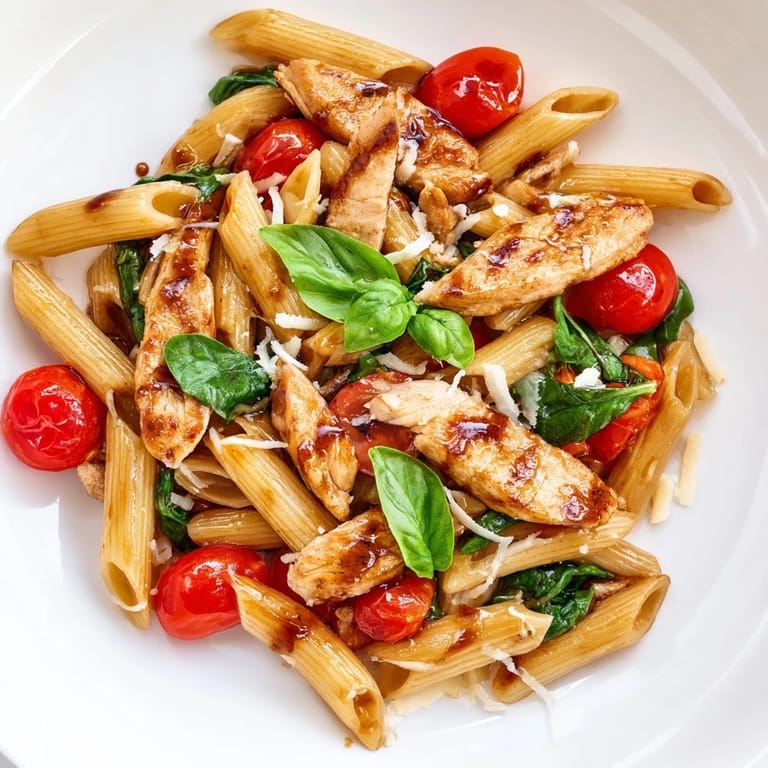
Save My neighbor once brought over a bottle of aged balsamic vinegar from her trip to Modena, and I had no idea what to do with it besides drizzle it on salads. One Tuesday evening, I had chicken breasts thawing and a box of penne in the pantry, so I decided to experiment. The kitchen filled with the sweet, tangy aroma of simmering balsamic, and I knew I'd stumbled onto something special. That dinner turned into this recipe, and it's been my go-to ever since when I want something that feels fancy but comes together in less than an hour.
I made this for my brother's birthday dinner last spring, and he still asks for it every time he visits. He's not the kind of person who notices details in food, but he actually put his fork down and asked what was in the sauce. Watching him go back for seconds, scraping the skillet for every last bit of glaze, made me realize this dish has that rare quality where even people who don't cook want the recipe. It's become my secret weapon for impressing guests without breaking a sweat.
Ingredients
- Boneless, skinless chicken breasts: Slicing them thin helps them cook faster and soak up more glaze, plus every bite stays tender if you don't overcook them.
- Penne or spaghetti: Penne holds the glaze in its ridges, but spaghetti twirls beautifully with the sauce, so pick whichever shape makes you happy.
- Garlic: Fresh minced garlic blooms in the oil and perfumes the whole dish, so don't skip it or use the jarred stuff here.
- Cherry tomatoes: They burst and release their juices into the sauce, adding little pops of sweetness and acidity that balance the balsamic.
- Baby spinach: It wilts down to almost nothing, so don't worry if two cups looks like too much, it'll disappear into the pasta.
- Olive oil: Dividing it across the cooking steps keeps everything from sticking and adds richness without feeling heavy.
- Balsamic vinegar: The foundation of the glaze, it reduces into a syrupy, tangy coating that makes the whole dish sing.
- Honey: Just a tablespoon tempers the sharpness of the vinegar and helps the glaze cling to the chicken.
- Dijon mustard: It adds a subtle kick and helps emulsify the glaze so it coats evenly.
- Dried Italian herbs: A quick sprinkle gives the chicken baseline flavor, and you can use whatever blend you have on hand.
- Parmesan cheese: Freshly grated melts right into the warm pasta and adds that salty, nutty finish.
- Fresh basil: Tearing it over the top right before serving brings a burst of color and a sweet, herbal note.
Tired of Takeout? 🥡
Get 10 meals you can make faster than delivery arrives. Seriously.
One email. No spam. Unsubscribe anytime.
Instructions
- Boil the pasta:
- Cook your penne or spaghetti in plenty of salted water until it still has a little bite, then save some of that starchy pasta water before draining. That reserved water will help the sauce cling later, so don't skip it.
- Sear the chicken:
- Heat a tablespoon of olive oil in your skillet until it shimmers, then add the chicken strips seasoned with salt, pepper, and Italian herbs. Let them sizzle undisturbed for a couple of minutes to get golden edges, then flip and cook through before setting them aside.
- Sauté the aromatics:
- In the same skillet, add another tablespoon of oil and toss in the minced garlic, stirring constantly so it doesn't burn. Once it smells amazing, add the cherry tomatoes and let them soften and burst, releasing their juices into the pan.
- Make the balsamic glaze:
- Whisk together the balsamic vinegar, honey, Dijon mustard, and remaining olive oil in a small bowl until smooth. This little mixture is what transforms the dish from ordinary to unforgettable.
- Glaze the chicken:
- Return the chicken to the skillet and pour the balsamic mixture over everything, stirring gently. Let it simmer for a few minutes until the sauce thickens and coats the chicken in a glossy, caramelized layer.
- Toss it all together:
- Add the cooked pasta and fresh spinach to the skillet, tossing everything with tongs until the spinach wilts and the pasta is evenly coated. If it looks dry, splash in some of that reserved pasta water a little at a time until the sauce is silky and clings to every piece.
- Serve and garnish:
- Plate it up hot, then shower each serving with grated Parmesan and torn basil leaves. The cheese will melt into the warm pasta, and the basil adds a fresh pop that makes the whole dish feel complete.
 Save
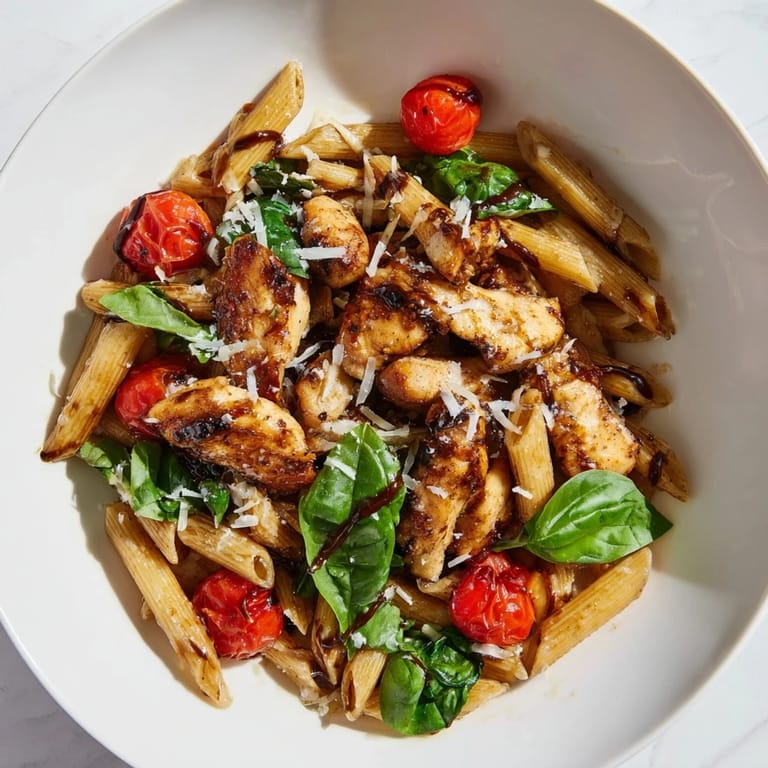
Save There was a rainy evening last fall when I made this for myself after a long day, and I ended up eating it straight from the skillet on the couch. The warmth of the pasta, the tang of the balsamic, and the quiet comfort of the moment reminded me why I love cooking. Sometimes the best meals aren't the ones you serve at a table, they're the ones you savor alone when you need something that feels like a hug. This dish has become that for me, a reliable friend that shows up exactly when I need it.
Customizing Your Pasta
The beauty of this recipe is how forgiving it is when you want to switch things up. I've swapped the spinach for peppery arugula when I wanted a sharper bite, and I've used kale when I had a bunch sitting in the fridge that needed to be used. If you're not a chicken person, thick slices of portobello mushrooms or firm tofu work beautifully and soak up the glaze just as well. You can even toss in a handful of sun-dried tomatoes for extra sweetness, or stir in a spoonful of cream at the end if you want it richer and more indulgent.
Pairing and Serving Suggestions
This pasta is hearty enough to stand on its own, but a simple side salad with lemon vinaigrette balances the richness perfectly. I usually pour myself a glass of Pinot Noir because the fruity notes play nicely with the balsamic, though a crisp Sauvignon Blanc works too if you prefer white. If you're feeding a crowd, double the recipe and serve it family-style in a big bowl, everyone can help themselves and the glaze stays warm and glossy. Crusty bread on the side is non-negotiable for me, you'll want something to mop up every last drop of sauce from your plate.
Storing and Reheating
Leftovers keep well in an airtight container in the fridge for up to three days, though the pasta will absorb some of the sauce as it sits. When you reheat it, add a splash of water or chicken broth to the pan and warm it gently over medium heat, stirring until everything loosens up again. I've reheated it in the microwave in a pinch, but the stovetop method keeps the texture better and revives that silky glaze. The flavors actually deepen overnight, so don't be surprised if day-two pasta tastes even better than the original meal.
- If you want to prep ahead, cook the chicken and make the glaze in advance, then just boil fresh pasta and toss everything together when you're ready to eat.
- Don't freeze this dish, the pasta gets mushy and the glaze separates, so it's best enjoyed fresh or within a few days.
- For a cold pasta salad version, skip reheating and toss the leftovers with a little extra olive oil and a squeeze of lemon, it's surprisingly good chilled.
 Save
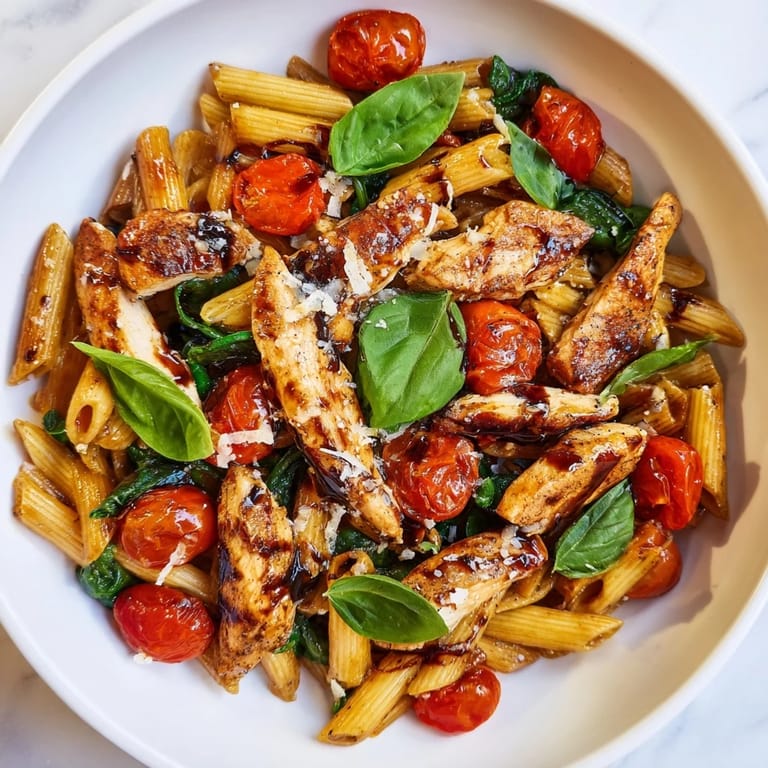
Save This dish has earned its place in my weeknight rotation because it delivers restaurant-quality flavor without the fuss or the price tag. I hope it becomes one of those recipes you turn to when you want to feel like you've really cooked something special, even on the busiest of evenings.
Recipe Guide
- → Can I use chicken thighs instead of breast?
Yes, chicken thighs work wonderfully. They're more forgiving and stay moist during cooking. You may need to add 2-3 minutes to the cooking time since thighs are thicker than breast strips.
- → How do I prevent the balsamic glaze from becoming too sticky?
The reserved pasta water is key—it helps loosen the glaze to a silky consistency. Add it gradually while tossing, stopping when you reach your preferred sauce thickness. The starch in the pasta water creates a light coating rather than a heavy glaze.
- → What can I substitute for spinach?
Arugula adds a peppery bite, while kale brings earthiness. Broccoli florets, green beans, or zucchini are also excellent choices. Add heartier vegetables with the tomatoes to ensure they cook through properly.
- → Is this dish suitable for meal prep?
Absolutely. Prepare the components separately and store in airtight containers for up to 3 days. Reheat gently on the stovetop with a splash of water or broth to restore the sauce's silky texture before tossing together.
- → How can I make this vegetarian?
Substitute chicken with sautéed mushrooms, firm tofu, or chickpeas for protein. Cook mushrooms or tofu until golden before proceeding with the glaze. The umami-rich balsamic pairs beautifully with these alternatives.
- → What wine pairs best with this dish?
A light Pinot Noir or crisp Sauvignon Blanc complements the tangy balsamic and tender chicken. The wine's acidity cuts through the richness of the glaze and enhances the fresh herb notes.