 Save
Save My kitchen smelled like a citrus grove last Tuesday when I decided to stop overthinking breakfast and just roll with what I had—literally. A can of crescent dough, an orange I'd been meaning to use, and the sudden realization that sometimes the best moments in cooking come from happy accidents and shortcuts that don't feel like shortcuts. These mini rolls came together so fast I almost couldn't believe they were real, golden, and genuinely delicious.
I made these for my sister when she showed up unannounced on a Saturday morning, and watching her bite into one while steam was still rising off it—that quiet moment of genuine delight—reminded me why I love cooking in the first place. It wasn't about impressing anyone; it was about having something warm and good to share within the first 20 minutes of her arrival.
Ingredients
- 1 can (8 oz / 226 g) refrigerated crescent roll dough: This is your foundation and your time-saver; make sure it's chilled right up until you use it, and don't skip sealing those perforations or your filling will leak out during baking.
- 2 tbsp unsalted butter, softened: Softened butter spreads like a dream and holds the sugar and zest together; take it out 10 minutes before you start so it's pliable but not melted.
- 1/4 cup (50 g) granulated sugar: This granulates with the zest to create that sparkly, crunchy-then-melting texture that makes each bite interesting.
- Zest of 1 large orange (about 1 tbsp): This is where the whole recipe comes alive; use a microplane if you have one because it catches all those essential oils and keeps the flavor bright instead of bitter.
- 1/2 tsp pure vanilla extract: A quiet player that deepens the orange flavor without announcing itself; don't skip it even though the amount seems small.
- 1/2 cup (60 g) powdered sugar: This dissolves into a silky glaze that clings to warm rolls like it was made for them.
- 1–2 tbsp fresh orange juice: Start with 1 tablespoon and add more gradually because the glaze should drizzle, not puddle; bottled works but fresh juice tastes noticeably brighter.
- 1/2 tsp orange zest (optional, for glaze): If you're feeling generous or want maximum citrus impact, this extra zest on top adds flavor and a beautiful visual reminder of what you're about to taste.
Tired of Takeout? 🥡
Get 10 meals you can make faster than delivery arrives. Seriously.
One email. No spam. Unsubscribe anytime.
Instructions
- Prep your space and heat the oven:
- Get the oven to 375°F (190°C) and line your baking sheet with parchment paper or grease a mini muffin tin. A clean workspace matters because you're about to unroll dough, and pastry appreciates calm real estate to sprawl across.
- Unroll and seal the dough:
- Gently unroll your crescent dough onto the work surface and use your fingertips to pinch and seal all those perforations that separate the triangles, creating one smooth rectangle. This step prevents your filling from escaping during the roll-up, which I learned the hard way on my first attempt.
- Mix your orange filling:
- In a small bowl, combine the softened butter, sugar, orange zest, and vanilla, stirring until it looks like wet sand that's ready to cling to dough. The mixture should be spreadable but not runny—if it seems too soft, refrigerate it for 2 minutes.
- Spread the filling evenly:
- Distribute the orange mixture across the entire rectangle in an even layer; I use the back of a spoon to coax it into corners. Taking 30 seconds to spread it generously and evenly means every roll gets that good orange hit, not just the ones you happened to fill more.
- Roll, don't rush:
- Starting from the longer side, roll the dough toward you into a tight log, pinching the seam gently as you go to keep it sealed. If the filling starts peeking out the sides, that's fine—it just means you were generous, and it'll caramelize into something delicious.
- Slice into 12 pieces:
- Using a sharp knife (a dull one just squashes the dough), cut the log into 12 equal pieces. The pieces don't have to be perfect; slightly uneven rolls actually cook more evenly because the thicker pieces get more heat.
- Arrange for baking:
- Place the rolls cut-side up on your prepared sheet or in the muffin tin, giving them a little breathing room. Cut-side up is important because it shows off that spiral and helps them brown more evenly.
- Bake until golden:
- Bake for 13–15 minutes, watching for that moment when they turn golden brown; your kitchen will smell absolutely irresistible around minute 12. They're done when the edges are set but the centers still feel slightly soft to the touch.
- Make the glaze while rolls bake:
- Whisk together powdered sugar and orange juice, starting with 1 tablespoon of juice and adding more until you reach a thin, pourable consistency. Stir in orange zest if you're using it for that extra brightness on top.
- Cool slightly and glaze:
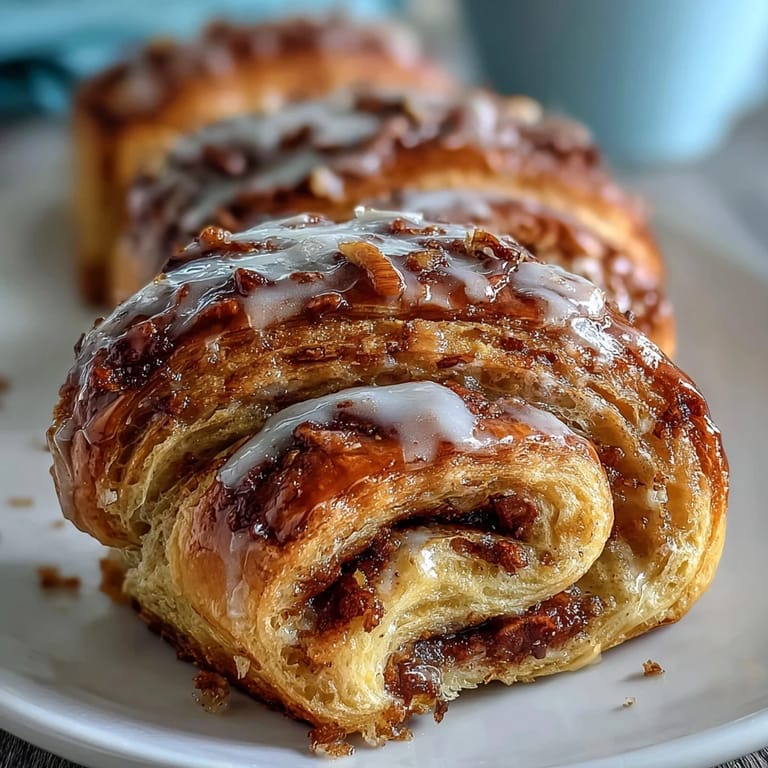
- Let the rolls rest for about 5 minutes—they'll firm up just enough to hold the glaze without it running right through to the pan. Drizzle generously and serve warm, watching people's faces light up as they bite into something that tastes far more complicated than it actually was.
 Save
Save There's something almost magical about serving something warm and freshly glazed that took less time than a shower to make. My neighbor asked for the recipe after tasting one, and I watched her face when I told her it was literally crescent dough and an orange—she didn't believe me until I walked her through it.
Why These Work as Morning Magic
These rolls hit that perfect sweet spot between impressive and achievable, which is why I make them when I want to feel like I've done something special without spending two hours in the kitchen. The crescent dough does the structural work, leaving you free to focus on the flavor—and somehow that feels like the whole point of cooking on busy mornings.
The Citrus Advantage
Orange zest is such a powerful flavor that a small amount goes a long way, which means you get serious citrus brightness without needing fresh-squeezed juice in the dough itself. The combination of zest in both the filling and glaze creates a flavor that builds as you eat, starting bright on the outside and staying interesting all the way to the last bite.
Storage and Variations That Actually Work
These are best within a few hours of baking when they're still soft, but they'll keep for up to 2 days in an airtight container if you need to make them ahead—just know they'll firm up slightly as they cool. I've experimented with additions and discovered that certain tweaks actually enhance rather than complicate the simple beauty of what you've already got.
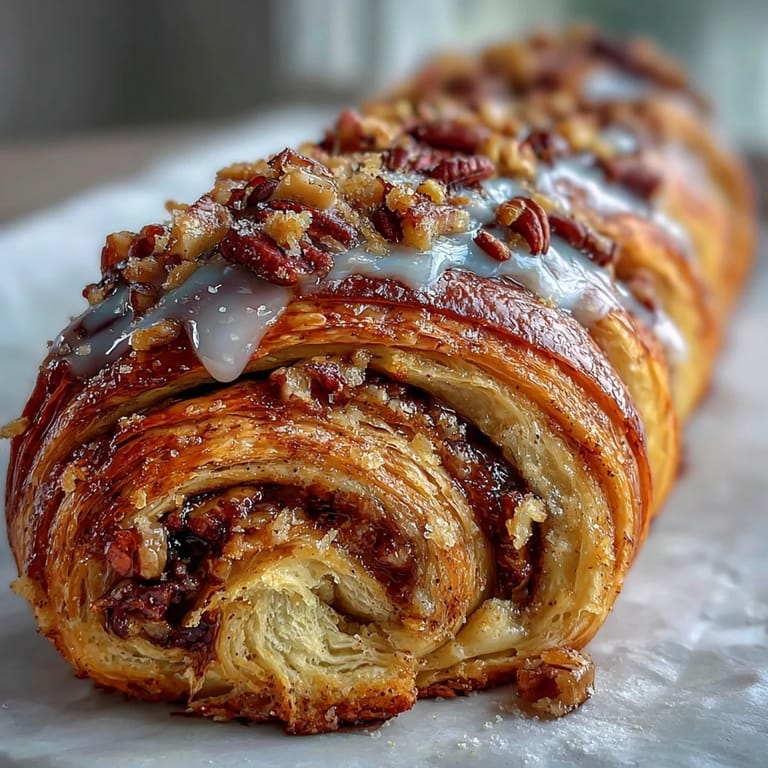
- Pecans or walnuts sprinkled over the filling before rolling add a subtle nuttiness that plays beautifully against the citrus without overpowering it.
- A tiny pinch of cardamom mixed into the filling (just 1/8 teaspoon) brings a sophisticated warmth that makes people pause and ask what that flavor is.
- If you want maximum citrus punch, a few drops of orange extract stirred into the glaze will make these taste like a professional bakery made them in your kitchen.
 Save
Save These mini rolls prove that shortcuts aren't shortcuts at all—they're just permission to spend your time on flavor instead of technique. Make them, share them warm, and watch how a simple combination of crescent dough and citrus becomes exactly what someone needed that morning.
Recipe Guide
- → What dough works best for these mini rolls?
Refrigerated crescent roll dough is ideal as it provides a soft, flaky texture that bakes quickly and holds the filling well.
- → Can I add nuts to the filling?
Yes, chopped pecans or walnuts can be sprinkled over the filling before rolling to add crunch and a nutty flavor.
- → How do I achieve the perfect citrus glaze consistency?
Gradually add fresh orange juice to powdered sugar, whisking until the glaze is smooth and pourable but not too runny.
- → Is it necessary to seal the dough perforations before rolling?
Yes, pinching the crescent dough's perforations prevents the filling from leaking during baking and ensures a uniform roll.
- → Can these rolls be made ahead and stored?
They are best enjoyed fresh but can be stored in an airtight container for up to two days without losing softness.