 Save
Save The first hint that something special was happening in my kitchen came from the scent: bright, almost floral citrus swirling up from a bowl of grated blood orange zest. I hadn’t planned to bake that day, but the oranges at the market were almost too beautiful to leave behind. Midwinter always nudges me toward vibrant flavors, maybe as a way to outwit the grey, and this cake quickly became a new favorite. The batter itself was golden and dappled with pink, a quietly satisfying transformation. Every time the glaze pours down the sides, it’s a little bit of everyday magic.
I first brought this blood orange polenta cake to a weekend brunch at a friend’s flat, where everyone crowded the kitchen for a slice before the coffee was even brewed. Someone snapped a photo of the cake in the soft Sunday light, and I laughed because the glaze almost glowed on the table. That afternoon, conversation was punctuated by the sound of forks and the occasional delighted hum. It instantly became the dish everyone requested for future gatherings. Sharing it gave the simple act of baking a kind of friendly reputation I never expected.
Ingredients
- Unsalted butter: Room-temperature butter whips up beautifully, ensuring a light texture in the cake—don’t rush this step, patience pays off.
- Caster sugar: Fine sugar dissolves quickly, making creaming effortless and lending a subtle, even sweetness throughout.
- Eggs: Bring them to room temperature before adding, as cold eggs can cause the batter to split (learned that one the messy way).
- Blood orange zest: Packs all the vibrant, aromatic oils; zest directly over the bowl so none of the fragrant mist goes to waste.
- Fine polenta (cornmeal): Gives the crumb its signature texture—a little sandy, perfectly tender—so opt for the finest grind available.
- Ground almonds: Bring moisture and richness, helping the cake stay soft and gluten-free (plus, nuttiness that pairs perfectly with citrus).
- Gluten-free baking powder: Double-check that label, as some brands sneak in gluten; it lifts the crumb here just enough.
- Salt: Just a pinch wakes up all the flavors—don’t skip it!
- Blood orange juice: Fresh juice infuses the cake and the glaze with a vivid color and lively tartness.
- Vanilla extract: Adds roundness and warmth, subtly tying together the citrus and nutty notes.
- Powdered sugar (for glaze): Sift it for a smooth, lump-free topping that drapes elegantly over the cooled cake.
- Blood orange juice (for glaze): Strain it well so the glaze turns out glossy and the pink tint really shines.
- Blood orange slices & edible flowers (optional): These make simple slices look festive and foolproof—even if your glaze drips a little wild.
Tired of Takeout? 🥡
Get 10 meals you can make faster than delivery arrives. Seriously.
One email. No spam. Unsubscribe anytime.
Instructions
- Prep and preheat:
- Turn the oven to 170°C (340°F) and grease a 20 cm round tin, lining the base with parchment—when I skip the parchment, regret always follows!
- Cream butter and sugar:
- Beat the soft butter and caster sugar until pale and fluffy; you’ll know it’s ready when it lightens in color and feels pillowy.
- Blend in eggs:
- Add eggs one by one, beating gently—don’t worry if the mixture seems a little split, it all comes together with the next steps.
- Add citrus and vanilla:
- Sprinkle in the blood orange zest and trickle in the vanilla; breathe in, the bowl will smell amazing at this stage.
- Combine dry ingredients:
- In a separate bowl, mix the polenta, ground almonds, baking powder, and salt with a quick whisk to break up lumps.
- Mix wet and dry:
- Fold the dry mixture into the wet ingredients with slow, gentle strokes—don’t overwork it or the cake will lose its tender crumb.
- Add juice:
- Pour in the blood orange juice and blend just until you can’t see it anymore; the color should brighten up a shade.
- Bake:
- Spoon the thick batter into the lined tin, smoothing the top, then bake for 40–45 minutes until golden and a skewer comes out mostly clean.
- Cool:
- Let the cake rest in its tin for 10 minutes before turning onto a wire rack; it’ll smell warm and zesty as it cools completely.
- Make the glaze:
- Sift powdered sugar into a bowl and add blood orange juice slowly, stirring until thick and pourable—the moment it turns pink always makes me smile.
- Decorate and serve:
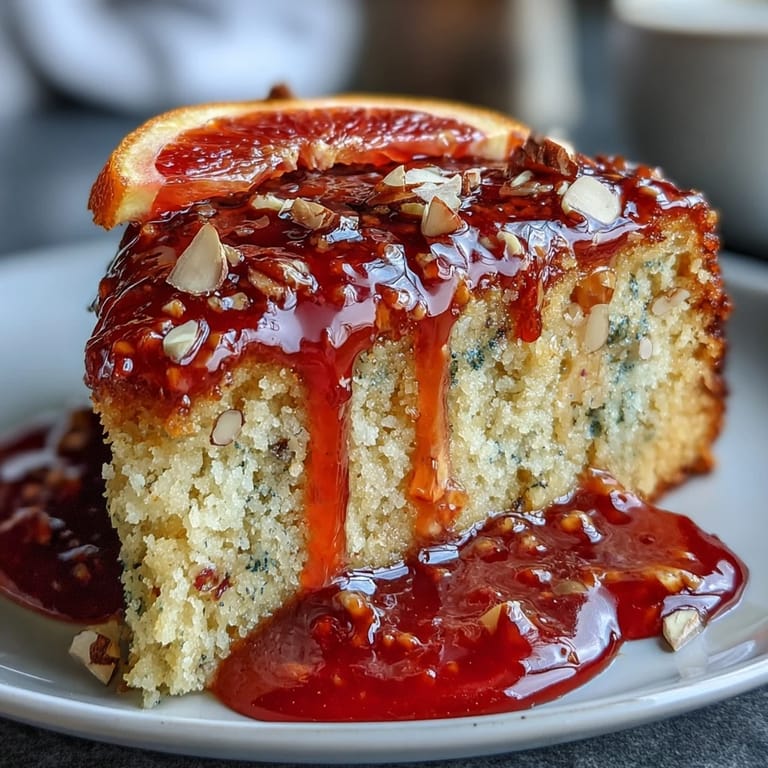
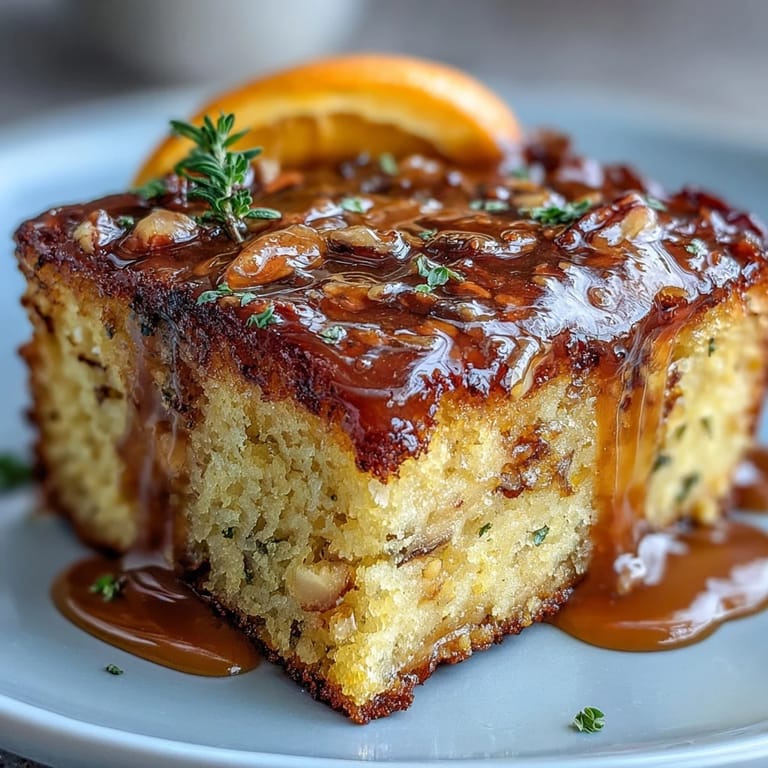
- Drizzle glaze over the fully cooled cake, letting it run down the sides, then nestle in orange slices and edible flowers for a final flourish.
 Save
Save 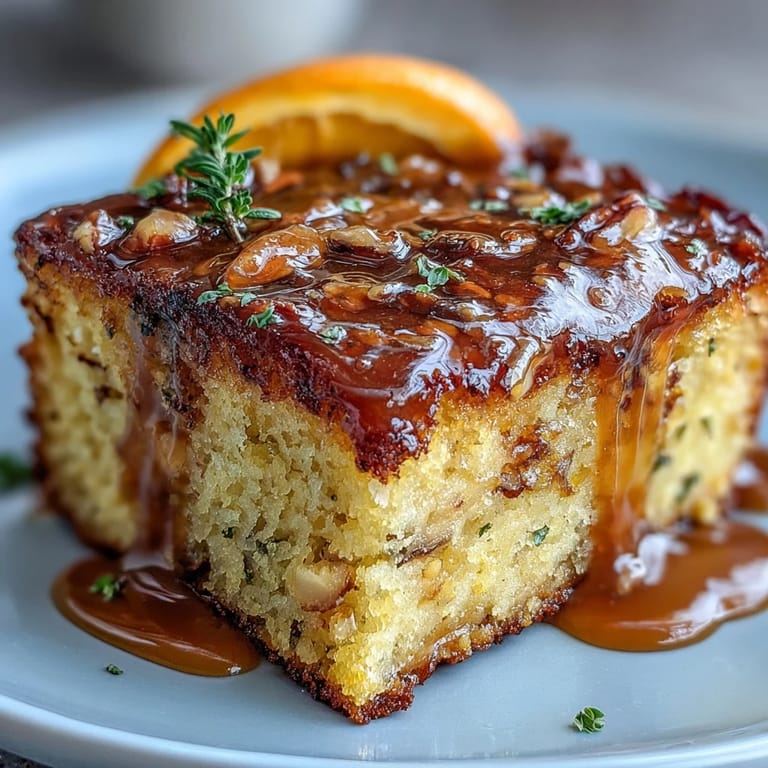 Save
Save One evening I brought out this cake for dessert after an impromptu weeknight dinner with family, and as people cut their slices the room went quiet—just that telltale, happy silence when everyone’s busy savoring something delicious. For a few minutes, even a table of chatterboxes paused to let the tart-sweet glaze and almondy crumb do the talking. I realized that simple cakes, when shared, have a sneaky way of leaving lasting memories. From then on, this cake started making appearances at birthdays and brunches without fail. It easily feels like the centerpiece even in the coziest kitchen gatherings.
What to Serve Alongside
Paired with a dollop of crème fraîche or thick Greek yogurt, each bite finds new balance—a little tang against the cake’s sweetness. Fresh berries or roasted rhubarb turn it into a real showstopper in spring, and I sometimes add toasted almonds on the side for crunch. If you’re going all out, offer espresso or black tea to embrace the Italian mood.
Handling Leftovers
I’ve learned the hard way that this cake keeps best when stored under a cake dome or in an airtight tin at room temperature—fridge air dries it out faster than you think. The flavor actually improves on the second day as the citrus soaks in deeper. It also freezes well (just wrap individual slices tightly!) so you can sneak a taste any time you need a lift.
How to Make the Glaze Look Stunning
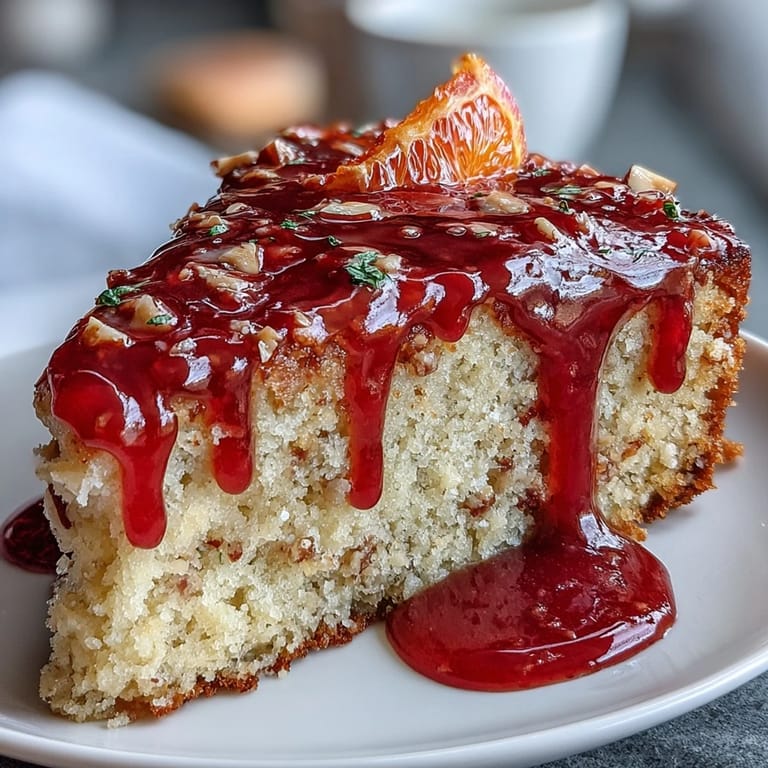
My favorite trick is letting the glaze drip imperfectly, encouraging bold rivers of pink rather than fussing for perfection. Use a small spoon for the drizzling and pause every so often to marvel at how it catches the light on the cake’s golden crust. Especially if topping with fresh flowers or orange slices, there’s really no wrong way to decorate—just keep it joyful and a little wild.
- Glaze only when the cake is fully cool to prevent melting.
- Strain juice for a smooth, photo-worthy finish.
- Don’t be shy with your decorations; more is more for celebration cakes.
 Save
Save  Save
Save Each time I slice into this cake, it feels like sharing a little sun. I hope it brings as much color and joy to your table as it has to mine.
Recipe Guide
- → What type of polenta works best?
Use fine polenta (fine cornmeal) for a tender crumb and even texture. Coarser polenta will give a grainier bite; if using coarse, pulse briefly in a spice grinder for a finer result.
- → Can I substitute regular oranges?
Yes. Regular oranges provide a similar citrus lift but the glaze will be pale rather than pink. Increase zest slightly for more aroma if blood oranges are unavailable.
- → How do I keep the cake extra moist?
A light brush of reserved blood orange juice on the warm cake before glazing adds moisture. Avoid overbaking and check doneness with a skewer—remove when it comes out with a few moist crumbs.
- → Any tips for the glaze?
Sift powdered sugar to avoid lumps and add juice slowly until you reach a thick but pourable consistency. For a glossier finish, warm the juice slightly before whisking it in.
- → How should I store and freeze this cake?
Store covered at room temperature for 1–2 days, or refrigerate for up to 5 days. For freezing, wrap cooled, unglazed layers tightly in plastic and foil; thaw in the fridge before glazing.
- → Can I replace ground almonds for nut allergies?
For nut-free options, substitute ground almonds with additional fine polenta plus a light gluten-free flour blend or toasted sunflower seed flour. Note texture will be less rich and slightly drier—add a tablespoon of yogurt or oil to compensate.