 Save
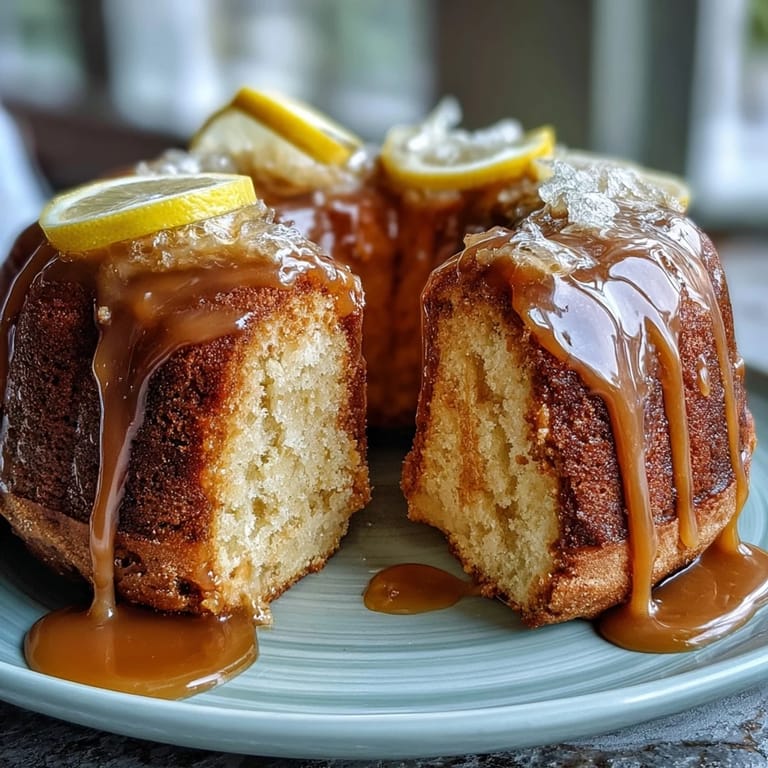
Save My neighbor Maria handed me a bottle of homemade Limoncello one autumn afternoon, insisting I'd know exactly what to do with it once spring arrived. Months later, when the first warm breeze rolled through and I spotted bright lemons at the market, her gift finally made sense. This pound cake became my answer—a way to capture that citrus-soaked sunshine in every slice, tender and bright enough to feel like spring on a plate.
I made this the week my sister visited from out of state, and watching her face light up when she took that first bite reminded me why I love baking for people. She kept sneaking back to the kitchen for another slice, and by the end of the day, we'd demolished half the cake while sitting on the back porch, talking about everything and nothing. That's when I knew this recipe deserved a permanent spot in my rotation.
Ingredients
- All-purpose flour (2 ½ cups): This is your structure; make sure it's fresh and airy, not compacted from sitting in a warm pantry.
- Baking powder (2 tsp): Double-check the expiration date because stale leavening agents won't give you that tender crumb you're after.
- Salt (½ tsp): This tiny amount amplifies the lemon without making anything taste salty—it's the secret handshake between butter and citrus.
- Unsalted butter (1 cup, softened): Room temperature is non-negotiable here; cold butter won't cream properly and you'll lose that feathery texture.
- Granulated sugar (2 cups): This creates the structure and helps the cake stay moist for days, which is why it's worth using the full amount.
- Eggs (4 large, room temperature): Cold eggs won't incorporate smoothly into the batter, and you need that emulsion for a tender crumb.
- Lemon zest (1 tbsp, finely grated): Use a microplane and go slow—you want the fragrant yellow part, not the bitter white pith underneath.
- Fresh lemon juice (¼ cup): Bottled juice won't give you that bright pop; spend the two minutes squeezing fresh lemons.
- Limoncello liqueur (⅓ cup): This is what elevates the cake from good to memorable, adding complexity and keeping it tender throughout.
- Vanilla extract (1 tsp): A small amount rounds out the flavor and prevents the cake from tasting one-dimensionally citrus.
- Whole milk (½ cup, room temperature): Room temperature milk prevents the batter from seizing when it meets the warm butter mixture.
- Powdered sugar (1 ½ cups, sifted): Sifting removes lumps so your glaze comes out silky instead of grainy.
- Lemon juice for glaze (2–3 tbsp): Start with 2 tablespoons and add more until the glaze reaches a thin, pourable consistency.
- Limoncello for glaze (1 tbsp, optional): This intensifies the flavor and adds a professional shine if you want to go all in.
- Lemon zest for garnish (1 tsp): A final sprinkle on top catches the eye and reminds people what they're about to taste.
Tired of Takeout? 🥡
Get 10 meals you can make faster than delivery arrives. Seriously.
One email. No spam. Unsubscribe anytime.
Instructions
- Prepare your pan and preheat:
- Set your oven to 350°F and give your Bundt pan or loaf pan a thorough coating of butter and flour—this prevents sticking and ensures your beautiful cake releases cleanly. While the oven heats, you can move on to the next steps without rushing.
- Combine dry ingredients:
- Whisk the flour, baking powder, and salt together in a medium bowl, making sure everything is evenly distributed so you don't hit a pocket of baking powder in a single bite. Set this aside and don't second-guess yourself here—this step is straightforward.
- Cream butter and sugar:
- This is where the magic starts: beat the softened butter and sugar together for 3 to 4 minutes until it looks pale, fluffy, and almost cloud-like. You'll notice the mixture transforming from dense and grainy to light and airy; that's exactly what you're after.
- Incorporate eggs one at a time:
- Add each egg individually, beating well after each addition so it fully incorporates before the next one goes in; this is how you build that silky emulsion. If the batter looks slightly curdled after the last egg, don't panic—it'll come together once you add the dry ingredients.
- Add the lemon and Limoncello flavors:
- Mix in the lemon zest, lemon juice, Limoncello, and vanilla extract, beating until everything is evenly distributed and the batter smells absolutely intoxicating. This step takes less than a minute but transforms the entire character of the cake.
- Alternate flour and milk carefully:
- Starting with the flour mixture, add it and the milk in alternating batches, beginning and ending with flour to prevent over-mixing and keep the crumb tender. Stir gently until just combined—overmixing develops gluten and you'll end up with a dense, tough cake instead of the delicate crumb you want.
- Transfer to the pan:
- Pour the batter into your prepared pan and smooth the top with a spatula so it bakes evenly and doesn't dome unevenly in the center. Take a breath here; you're almost at the hardest part, which is waiting.
- Bake until golden:
- Slide the pan into the oven for 50 to 55 minutes, watching for the cake to turn golden brown and a toothpick inserted in the center to come out clean or with just a few moist crumbs. Every oven is different, so check around the 48-minute mark to get a sense of how yours is progressing.
- Cool gradually:
- Let the cake rest in the pan for 15 minutes so it firms up enough to release cleanly, then turn it out onto a wire rack to cool completely. This waiting period is crucial—rushing it risks the cake breaking apart.
- Make the glaze:
- Whisk together the sifted powdered sugar, lemon juice, optional Limoncello, and lemon zest until you have a smooth, pourable consistency that isn't too thick or runny. Taste it and adjust the tartness with more lemon juice if needed.
- Finish the cake:
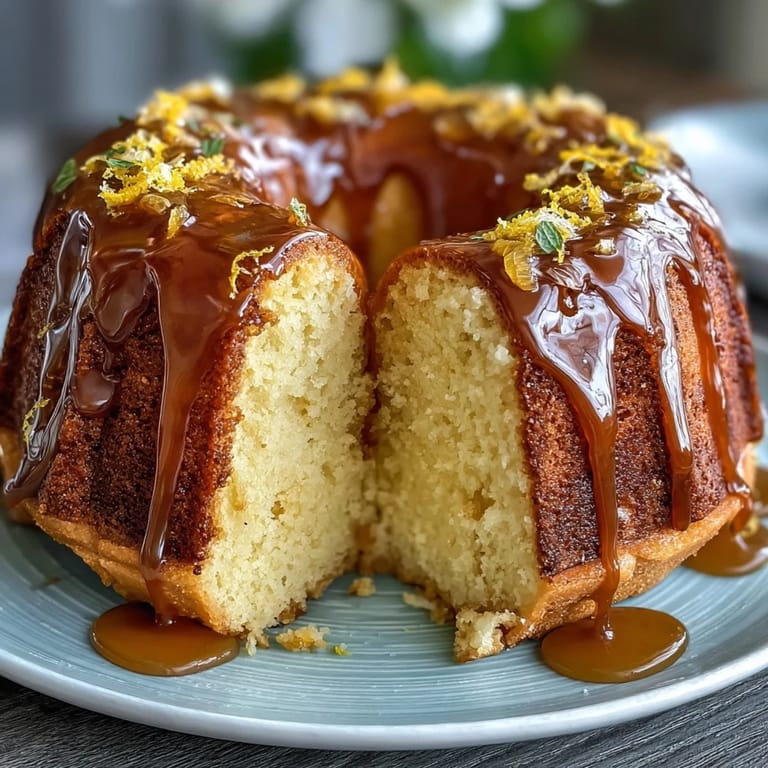
- Once the cake has cooled completely, drizzle the glaze over the top in a thin, even stream and let it set for at least 30 minutes before slicing. This final touch brings everything together—the glaze is your exclamation point.
 Save
Save A few years ago, I brought this cake to a potluck where a woman I'd just met took one bite and asked for the recipe before she'd even finished her slice. We've been friends ever since, and every time we see each other, she mentions that cake and how it made her spring day a little brighter. That's when I realized this isn't just a dessert—it's a conversation starter, a bridge between people.
The Perfect Occasion for This Cake
Spring gatherings are the obvious choice, but I've learned this cake works just as well in winter when you need a bright spot in gray afternoons. Mother's Day brunches, Easter celebrations, garden parties, or even a quiet Tuesday when you want something special—this cake adapts to whatever moment you need it for.
Why Limoncello Makes All the Difference
I used to make lemon pound cakes with just juice and zest, and they were good, but adding Limoncello changed everything. The liqueur adds a subtle depth and complexity that you can't quite name—it makes people pause mid-bite and ask what's different, what makes it taste so sophisticated. If you don't have Limoncello on hand, you can substitute with additional lemon juice and a tiny splash of vodka, but honestly, picking up a bottle is worth the extra trip.
Storing and Serving Tips
This cake stays fresh and moist for up to four days when wrapped tightly at room temperature, making it perfect for baking ahead of entertaining. You can even freeze the unfrosted cake for up to three months if you want to get ahead, then thaw and glaze it fresh on the day you need it.
- Serve thick slices with fresh berries or whipped cream for a dessert that feels light despite being rich and satisfying.
- A thin slice with afternoon tea or coffee is the perfect way to slow down and enjoy the bright citrus notes in each bite.
- This cake is equally at home on a fancy dessert plate or wrapped in parchment as a gift for someone who needs a boost of sunshine.
 Save
Save This recipe has become my go-to when I want to give someone more than just a dessert—I want to give them a moment of joy and that burst of citrus brightness that reminds us spring is always possible, even in the dark months. I hope it becomes that for you too.