 Save
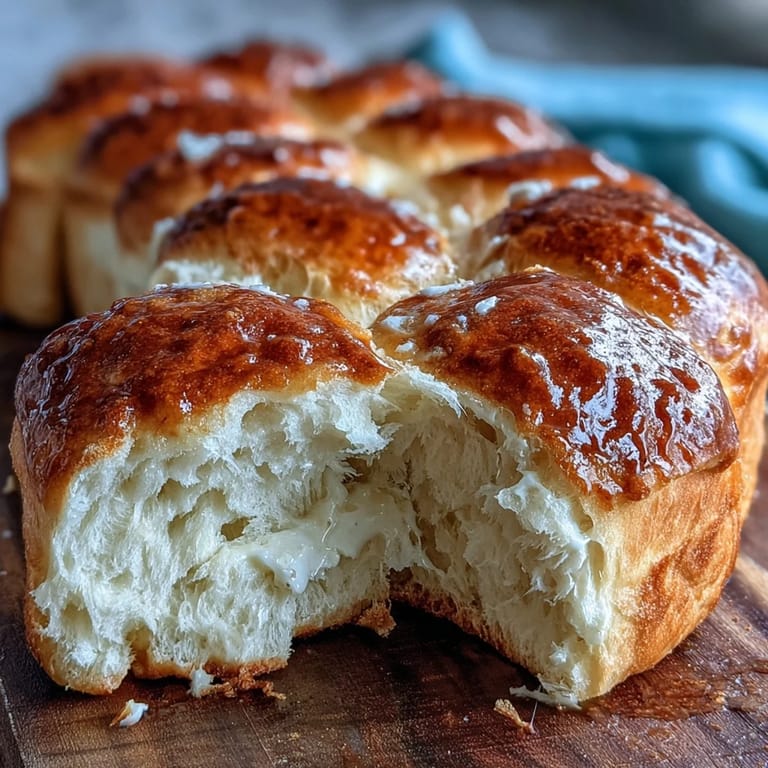
Save The first time I encountered Japanese Milk Bread baking, I was captivated by the gentle puff of steam that escaped from the freshly sliced loaf on my kitchen counter. That inviting aroma of warm butter and sweet yeast was like a quiet hug on a mild afternoon, subtly promising comfort without making a fuss about it. There was an almost meditative calm as I whisked together the Tangzhong, curious about how such a simple cooked paste could transform the bread. My cat sat perched on a sunlit windowsill, tail flicking, while I nervously checked the dough’s rising progress. Baking something this soft felt like coaxing clouds into a loaf pan—a delicate thrill I hadn’t quite known with other bread recipes.
One weekend morning, as gentle rain tapped the windows, I made Japanese Milk Bread for a friend who claimed she 'didn’t even like bread.' We ended up sitting at the table, pulling apart warm slices with our fingertips, a mutual silence settling in as the butter melted over each piece. That quiet satisfaction told me I’d found a bread for sharing on both grey days and good ones. The laughter that followed, once the crusts disappeared, made the whole effort feel worthwhile. Even the anxious anticipation during the second rise faded into the background.
Ingredients
- Bread flour: The higher protein content is essential here for achieving the chewy, stretchy crumb; I learned to avoid all-purpose for the fluffiest result.
- Whole milk: Use full-fat, and slightly warm it so the yeast wakes up gently for a tender crumb.
- Instant yeast: This saves you from proofing and makes first rises more dependable, especially on chilly mornings.
- Unsalted butter: Softened butter mixes in smoothly and adds richness; don’t rush or microwave, just let it sit out while you start.
- Sugar: Gives that subtle sweetness and a golden finish—a non-negotiable for the classic flavor.
- Fine sea salt: Highlights the sweet milk flavor without overwhelming the bread.
- Large egg: Adds color and structure; room temperature eggs blend in much easier with the dough.
- Milk (for brushing): A light brush gives your loaf a gentle sheen and helps with that iconic golden crust.
Tired of Takeout? 🥡
Get 10 meals you can make faster than delivery arrives. Seriously.
One email. No spam. Unsubscribe anytime.
Instructions
- Start the Tangzhong:
- Whisk flour, water, and milk together in a small saucepan, then warm it gently over medium heat, stirring constantly until it thickens to a soft, puddinglike paste in about three minutes. The kitchen fills with a sweet, milky scent—don’t leave it unattended, as it thickens fast.
- Mix the dough base:
- In your mixer bowl, combine bread flour, sugar, salt, and instant yeast. Add the coaxed, cooled Tangzhong, lukewarm milk, and egg, then mix until a scrappy dough forms that clings to the hook but doesn’t make a mess.
- Knead in butter:
- Drop in the softened butter gradually and knead on medium speed, or by hand if you’re feeling patient, until the dough is shiny, elastic, and barely sticky to the touch—usually 10–15 minutes of satisfying work.
- First rise:
- Slide the dough into a lightly oiled bowl, cover, and let it rest in a warm spot until doubled and pillowy, about an hour. If you press it gently, it should spring back slowly like a plush pillow.
- Shape the loaf:
- Punch the dough down, then separate it into three even portions. Flatten each into a rectangle, fold in the long sides, then tightly roll each one into a log, arranging them side by side in your greased loaf pan.
- Second rise:
- Loosely cover the pan and let the dough rise until puffy and nearing the top, around 30–45 minutes; the dough should relax and fill the pan but not spill over.
- Milk wash and bake:
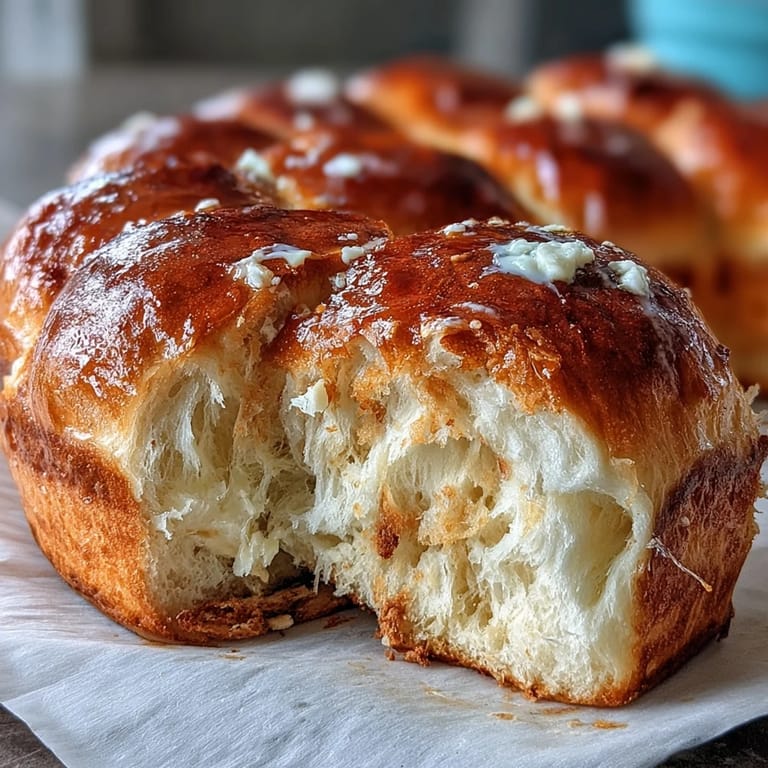
- Preheat your oven to 350°F (175°C). Brush the top gently with milk, then bake for 28–32 minutes, until golden brown and it sounds hollow when you tap its domed top.
- Cool and slice:
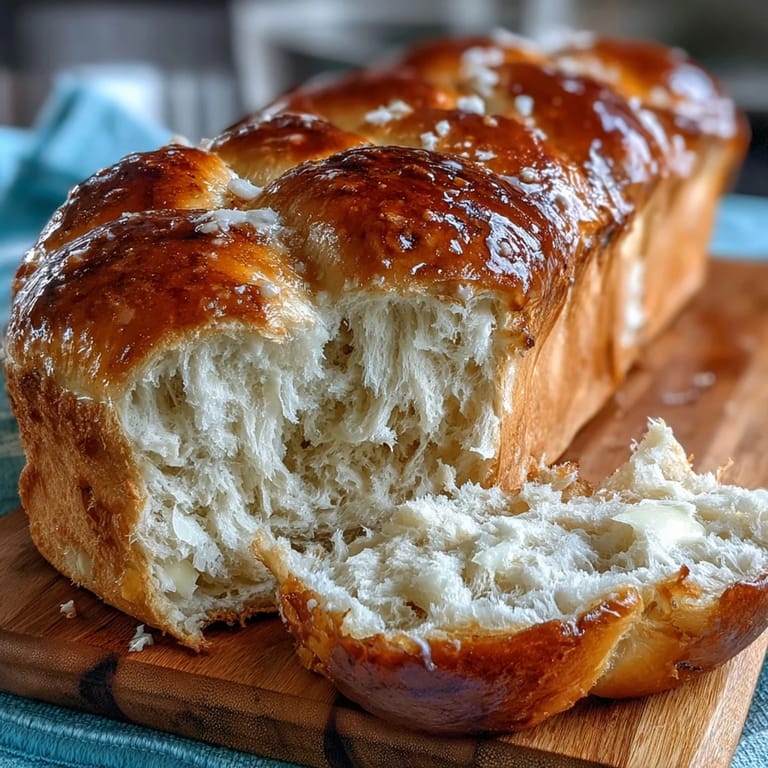
- Let the bread rest in its pan for about 10 minutes before lifting it out to cool completely on a wire rack. Slice once the loaf feels barely warm with a soft, even crumb revealed inside.
 Save
Save There was a day I baked this just because I needed a win—no special occasion, only the urge to create something gentle and nourishing. Cutting the loaf, steam curling up between my fingers, I realized how food sometimes says what words can’t: softness, care, and patience shaped into every slice.
Secrets to Ultra Fluffy Bread
The magic really is in that Tangzhong paste. Taking a few extra minutes to cook the flour and milk transforms what could be an ordinary loaf into something that stays tender for days instead of just hours. When I skipped this step out of impatience, the bread had nowhere near the same pillowy texture. If you can be just a little patient with the process, the payoff will delight you every time.
Keeping Your Loaf Fresh (And Extra Delicious)
Storing this bread in a tight container keeps it soft for up to four days, but toasting revives the fluff perfectly if it starts to lose that fresh-baked charm. I’ve found slices are irresistible topped with salted butter or sweet jam, and my family always seems to know when I’ve pulled a loaf from the oven. If you want a richer bite, swap some of the milk for heavy cream or stir in a splash of vanilla for a subtle twist. That adaptability is secretly why I bake it so often.
A Few Final Tidbits from My Kitchen
Working with this dough is surprisingly forgiving—don’t be afraid to poke and prod it when shaping, as the softness returns in the oven. When in doubt, trust the look and feel of your dough more than the clock, as rise times fluctuate with weather and warmth. And remember, no loaf ever turns out quite the same—which is how I know this recipe still has a bit of magic tucked inside.
- If you forget the milk wash, try brushing melted butter on after baking for a glossy finish.
- Let the loaf fully cool before slicing—otherwise, it will flatten.
- Save the end slices for incredible French toast the next day.
 Save
Save However you slice it, Japanese Milk Bread brings quiet joy to the everyday. Here’s to soft centers, golden crusts, and new kitchen rituals.
Recipe Guide
- → What is Tangzhong and why use it?
Tangzhong is a cooked flour-and-liquid starter that gelatinizes starches, allowing the dough to retain more moisture. It creates a softer, springier crumb and extends the loaf's freshness without altering the flavor.
- → How do I know when the dough is kneaded enough?
After incorporating butter, the dough should be smooth, elastic, and slightly tacky but not sticky. It should pass a gentle windowpane test: stretch a small piece thinly until it becomes translucent without tearing.
- → Can I substitute ingredients for dietary needs?
For richer softness, replace up to 1/4 cup of milk with heavy cream. Use plant-based milk and vegan butter for a dairy-free version, but expect a slightly different crumb and browning. Adjust sweetness or omit vanilla to taste.
- → Why did my loaf sink in the center?
Collapse often comes from overproofing, excess moisture, or insufficient structure. Ensure the second rise stops when the dough nearly reaches the pan top, not much higher, and bake as soon as possible once properly risen.
- → How should I store the loaf to keep it soft?
Cool completely, then keep in an airtight container or tightly wrapped at room temperature. For longer storage, slice and freeze portions; thaw at room temperature or toast directly from frozen.
- → What's the best way to shape the loaf for a tall rise?
Divide the dough into equal pieces, roll each into a tight log with seams sealed, and place seam-side down in a greased 9x5-inch pan. Tight rolling and even placement encourage a uniform, tall rise.