 Save
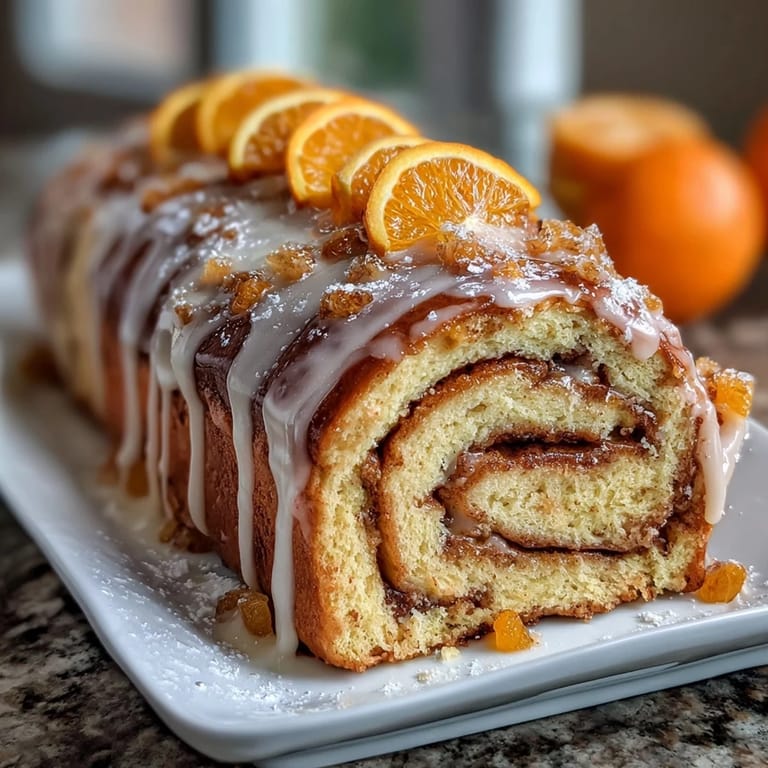
Save My kitchen filled with the smell of orange one December morning when my neighbor knocked on the door with a bag of perfect citrus from her tree. She mentioned offhandedly that orange rolls were her grandmother's specialty, and something about that casual comment stuck with me. I decided right then to develop a version I could make the night before, so the actual morning baking felt like a gift rather than a chore. The first batch emerged from the oven golden and fragrant, and I understood immediately why she cherished that family recipe. Now these rolls have become my own tradition, especially when I want breakfast to feel like celebration without the dawn stress.
I tested these on a weekend when my sister visited unexpectedly with her family. Rather than scramble, I pulled the prepared dough from the fridge, let it rise while we had coffee, and twenty-five minutes later everyone was biting into something that felt impossibly fresh and special. My niece asked if I'd bought them, and watching her face when I said I made them the night before was worth every bit of planning ahead.
Ingredients
- All-purpose flour (3 1/2 cups): The foundation that holds everything together; measuring by weight keeps your rolls consistent from batch to batch.
- Granulated sugar (1/4 cup for dough, 1/2 cup for filling): Sugar feeds the yeast and sweetens without overpowering, letting the orange shine through.
- Instant dry yeast (2 1/4 tsp): One packet of instant yeast works beautifully here and rises reliably even during an overnight chill.
- Salt (1/2 tsp): A pinch that you barely notice but absolutely need, as it balances sweetness and strengthens gluten development.
- Whole milk, lukewarm (3/4 cup): The warmth matters because cold milk slows yeast; aim for around 110°F if you have a thermometer.
- Unsalted butter, melted (1/4 cup for dough, plus 1/4 cup softened for filling): Melted butter in the dough creates richness and tenderness, while softened butter spreads beautifully over the rolled dough.
- Large eggs at room temperature (2): Room temperature eggs blend smoothly into the dough rather than creating lumps or shocking the yeast.
- Fresh orange zest (zest of 2 oranges for dough, 1 orange for filling, 1 tsp for glaze): This is the soul of the recipe; micro-plane or box grater works, and fresh zest tastes incomparably brighter than bottled.
- Powdered sugar (1 cup for glaze): Fine and silky, it dissolves into the orange juice without grittiness.
- Fresh orange juice (2–3 tbsp for glaze): Freshly squeezed makes the glaze taste alive; bottled works in a pinch but tastes noticeably flatter.
Tired of Takeout? 🥡
Get 10 meals you can make faster than delivery arrives. Seriously.
One email. No spam. Unsubscribe anytime.
Instructions
- Mix your dry base:
- In a large bowl, whisk together flour, sugar, yeast, and salt until everything is evenly distributed. This prevents the salt from killing your yeast by keeping them separated until liquid brings them together gently.
- Combine the wet ingredients:
- In a separate bowl, whisk milk, melted butter, eggs, and orange zest until the mixture is smooth and the zest is fully incorporated. You'll notice how the orange transforms the mixture from pale to golden.
- Bring it together:
- Pour the wet mixture into the dry ingredients and mix with a wooden spoon or your hand until a shaggy, sticky dough forms. Don't worry if it looks rough; kneading comes next.
- Knead until silky:
- Knead by hand for 7–8 minutes or use a stand mixer with a dough hook on medium speed for about 5 minutes, until the dough becomes smooth and elastic and barely sticks to your fingers. You'll feel the transformation as the gluten develops.
- Let it rise:
- Place the dough in a greased bowl, cover loosely with plastic wrap, and let sit in a warm spot for 1–2 hours until it doubles in size. A warm oven with the light on works beautifully if your kitchen is cool.
- Shape the rolls:
- Punch down the puffy dough gently and turn it onto a lightly floured surface, then roll out to a 10x16-inch rectangle. Spread softened butter evenly across, then sprinkle sugar and orange zest in an even layer.
- Roll and cut:
- Starting from one of the longer edges, roll the dough tightly toward you, then use a sharp knife or unflavored dental floss (it cuts cleaner than you'd expect) to cut the log into 12 even rolls. Wet your knife between cuts so the filling doesn't drag.
- Prepare for overnight:
- Arrange the rolls cut-side up in a greased 9x13-inch baking dish, cover tightly with plastic wrap, and refrigerate overnight or up to 16 hours. The cold slows rising, so the rolls stay tender and don't over-proof.
- Wake them up:
- In the morning, remove the rolls from the fridge and let them sit uncovered at room temperature for 45–60 minutes until they're puffy and light. You'll see them visibly relax and rise as they warm up.
- Bake until golden:
- Preheat your oven to 350°F (175°C), then slide the rolls in and bake for 22–25 minutes until the tops are golden brown and the edges feel set. The kitchen will smell absolutely incredible partway through.
- Make the glaze:
- While the rolls bake, whisk together powdered sugar, fresh orange juice, and zest in a small bowl until perfectly smooth and drizzle-able. Taste it and adjust the juice if needed for the consistency you like.
- Finish and serve:
- Drizzle the glaze over the warm rolls as soon as they come out of the oven so it sinks in and glazes beautifully. Serve immediately while they're still warm and the glaze is still glistening.
 Save
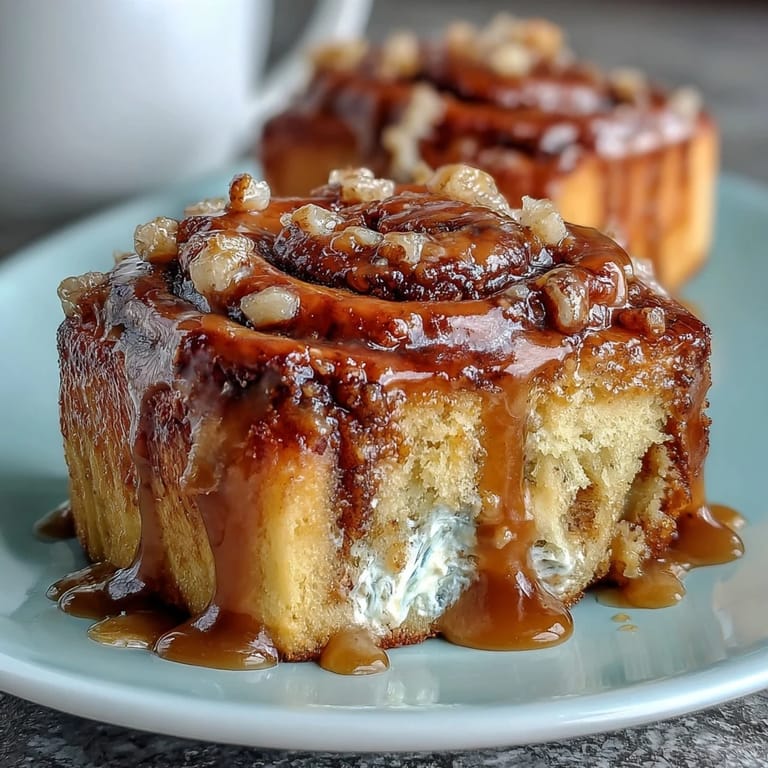
Save There's a particular magic to pulling a prepared pan from the fridge on a quiet morning, knowing that in under two hours you'll have fresh rolls without ever having rushed. My mother tried these once and immediately asked for the recipe, which felt like the highest compliment because she's not someone who asks for recipes lightly. Now she makes them for her book club, and I like imagining the conversations happening around her table over rolls that came together the evening before.
Variations to Keep Things Interesting
Once you master the basic recipe, the filling becomes your canvas. I've experimented with substituting half the milk in the dough for fresh orange juice, which deepens the citrus notes without making the rolls acidic or tough. Adding a pinch of cardamom to the sugar and zest filling creates something subtle and sophisticated, almost like the rolls came from a Scandinavian bakery. For a sharper finish, some mornings I use only fresh juice in the glaze with no added sugar, which lets the pure orange flavor shine without sweetness competing. You can also brush the baked rolls with a little melted butter and cinnamon sugar instead of the glaze if you want something warmer and spiced.
Pairing and Serving Thoughts
These rolls exist in that beautiful space where they work equally well as part of a formal brunch spread or as a casual grab-and-go breakfast. I've learned they pair beautifully with strong black coffee, but Earl Grey tea with a touch of honey is genuinely transcendent alongside them. Cold-brewed coffee keeps the focus on the rolls rather than competing, and fresh orange juice as a beverage feels almost redundant but somehow necessary. They're also remarkable with soft cheeses like ricotta or mascarpone spread on top instead of eating them plain, which transforms them into something richer and more substantial if you're serving them as a dessert.
Storage and Make-Ahead Magic
These rolls were designed for people with real lives who can't always bake fresh, and they handle freezing beautifully as long as you plan slightly ahead. I freeze the unbaked, cut rolls right in their pan wrapped tightly in plastic wrap and foil, then thaw them overnight in the fridge and bake as usual the next morning—which means you can have fresh rolls available almost whenever you want them. Already-baked rolls stay soft in a sealed container for three days at room temperature, and reheating them loosely covered in foil at 300°F for about ten minutes brings back the warmth and tenderness. The glaze can be made a few hours ahead and stored in a covered container, then thinned with a touch more orange juice if it thickens up before you use it.
- Unbaked rolls freeze up to three weeks wrapped individually and stored in a freezer bag for maximum flexibility.
- Baked rolls wrapped in foil keep fresh longer and reheat more evenly than plastic-wrapped versions.
- Make the glaze right before serving for maximum brightness and vibrancy.
 Save
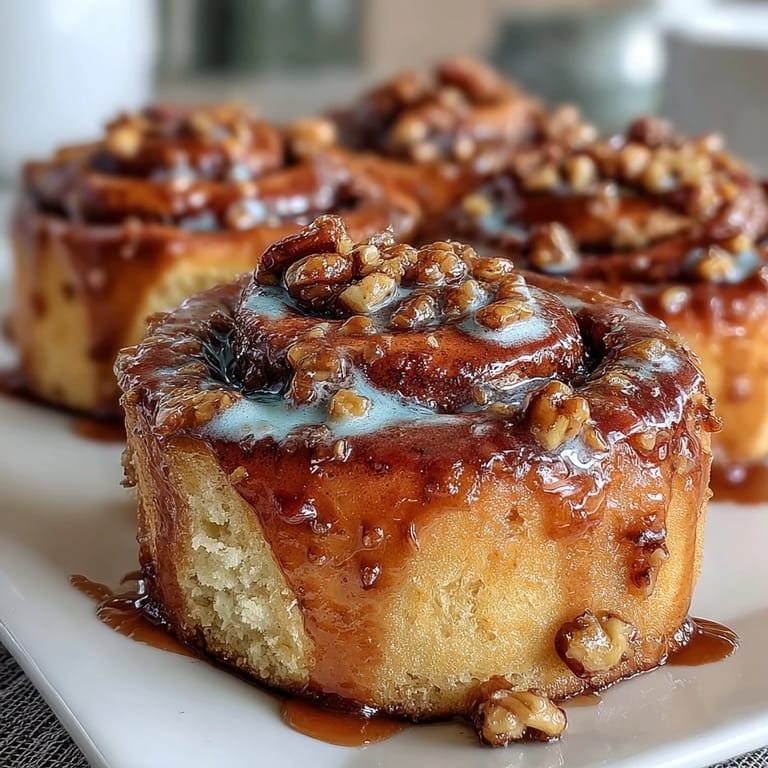
Save These rolls turned into my answer when people ask what I'd bring to a gathering, and I think that's because they're generous—they look like you fussed for hours when really you just planned ahead. Making breakfast feel special doesn't require waking at dawn; sometimes it just requires understanding that time and fresh citrus can do almost everything for you.
Recipe Guide
- → How does overnight rising affect the dough?
Allowing the dough to rest overnight in the refrigerator slows fermentation, enhancing flavor complexity and improving texture, resulting in tender, fluffy rolls.
- → Can I substitute orange juice for milk in the dough?
Yes, substituting half the milk with fresh orange juice adds extra citrus brightness and moisture to the dough without compromising structure.
- → What is the best method to roll and cut the dough evenly?
Roll the dough into a uniform rectangle, then use a sharp knife or dental floss to slice into equal portions for consistent baking and presentation.
- → How should the glaze be prepared and applied?
Whisk powdered sugar with fresh orange juice and zest until smooth, then drizzle over warm rolls to create a glossy, flavorful finish.
- → What variations can enhance the flavor profile?
Adding a pinch of cardamom to the filling introduces a subtle warm spice, complementing the citrus notes beautifully.