 Save
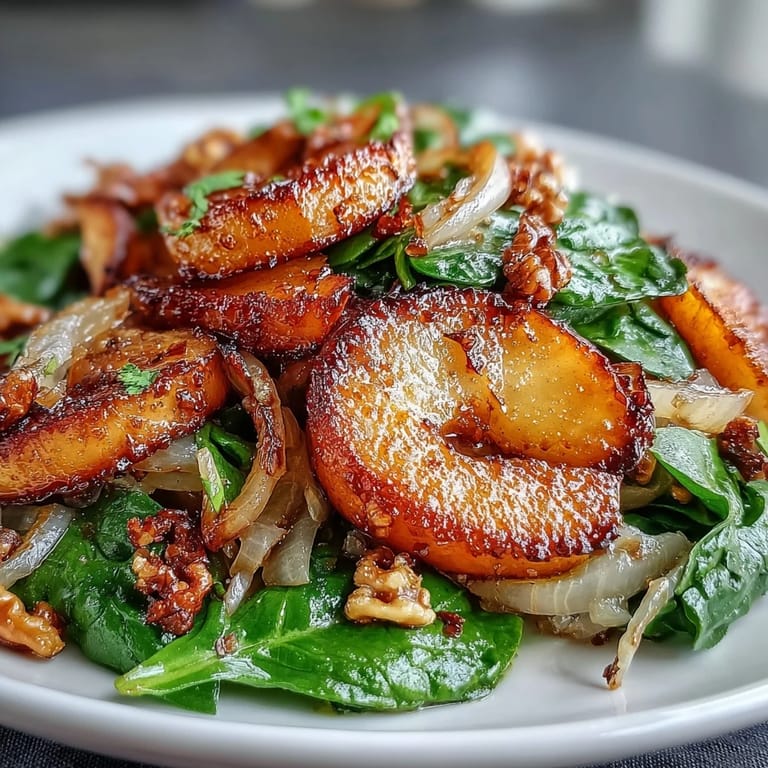
Save My neighbor swears by fermented foods, and one crisp autumn afternoon, she handed me a jar of homemade sauerkraut with a knowing smile. I stood in my kitchen wondering what on earth to do with it, when the answer arrived unexpectedly: warm apples in a skillet, their edges just turning caramel-brown, meeting that tangy, probiotic punch. This salad became the bridge between my skepticism and genuine delight, proof that the best dishes often come from happy accidents and generous neighbors.
I made this for a potluck where everyone brought the expected casseroles and pasta salads. When I unveiled this warm, vibrant skillet with its scattered walnuts and emerald greens, something shifted—people circled back to it twice, asking questions about the sauerkraut, wanting the story. That's when I realized this dish had quietly become a favorite of mine too, one I'd been making without even announcing it.
Ingredients
- 2 large apples (Honeycrisp or Gala): These varieties hold their shape while caramelizing and bring natural sweetness that balances fermentation's funk without being cloying.
- 1 small red onion: The purple-red variety turns translucent and mild when cooked slowly, adding subtle depth without overpowering the other flavors.
- 2 cups sauerkraut, drained: This is your probiotic anchor—choose one with live cultures if you can, and squeeze out excess liquid so it doesn't make the salad soggy.
- 2 cups baby spinach or arugula: Add these at the last moment so they just barely wilt from residual heat, keeping their brightness and delicate texture intact.
- 2 tbsp olive oil or unsalted butter: Butter adds richness and a subtle toasted note, while olive oil keeps things bright; use whichever matches your mood.
- 1/4 tsp freshly ground black pepper: Grind it yourself right before cooking—the volatile oils make an immediate, peppery difference.
- 1/4 tsp sea salt: Taste as you go; sauerkraut is naturally salty, so you may need less than you'd expect.
- 1/4 tsp ground caraway seeds: Optional, but these small seeds echo European roots and whisper a sophisticated anise-like note without shouting.
- 1 tsp honey or maple syrup: A touch of sweetness rounds the sharper notes and helps apples caramelize beautifully.
- 1/4 cup toasted walnuts or pecans, chopped: The toasting step is non-negotiable—it wakes up their flavor and adds a crucial textural contrast.
- 2 tbsp fresh parsley, chopped: The final green flourish brings freshness and makes the whole thing look intentional, not thrown together.
Tired of Takeout? 🥡
Get 10 meals you can make faster than delivery arrives. Seriously.
One email. No spam. Unsubscribe anytime.
Instructions
- Warm your skillet and add fat:
- Set a large skillet over medium heat and add your chosen fat, letting it heat for about a minute until it smells rich and inviting. This foundation matters—you're building caramelization, not just cooking.
- Sauté apples and onions until golden:
- Add your sliced apples and red onion together, stirring occasionally for 6 to 8 minutes until the apple edges turn golden and the onions become soft and yielding. You'll notice the kitchen filling with a warm, apple-orchard scent—that's the signal you're on the right track.
- Season and sweeten:
- Drizzle in your honey or maple syrup, add salt, pepper, and caraway seeds if you're using them, then stir everything together for about a minute so the seasonings meld and the apples glisten. The smell intensifies here, becoming almost dessert-like.
- Introduce the sauerkraut gently:
- Lower the heat to low and fold in your drained sauerkraut, stirring just enough to warm it through for 2 to 3 minutes without letting it dry out or lose its characteristic tang. This step is about respect—you're bringing a living food into warmth, not cooking out its personality.
- Add greens at the last moment:
- Remove from heat and toss in your baby spinach or arugula, stirring until it just barely wilts from the skillet's residual warmth, keeping its delicate texture and bright color. The tender greens should be warm, not cooked.
- Finish and serve:
- Transfer everything to a serving platter, scatter your toasted nuts and fresh parsley across the top, and serve while still warm, or let it cool to room temperature if you prefer. Either way, eat it while the layers of flavor still feel fresh and distinct.
 Save
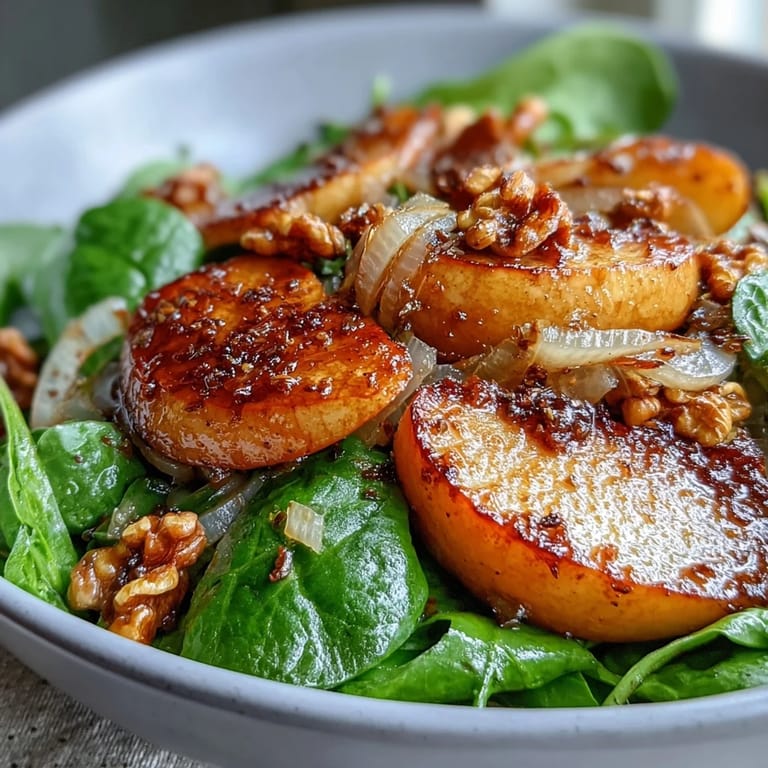
Save A friend who usually avoids anything fermented sat down and tasted this, then paused mid-chew as if experiencing something unexpected. She said, "Oh, I didn't know sauerkraut could taste like this," and something in that moment made me understand that we often dismiss foods based on past encounters rather than possibility. This dish became proof that context, preparation, and a little warmth can transform how we taste.
The Magic of Warmth
Serving this warm rather than cold completely changes the experience—the fermented notes become softer and more approachable, the apple sweetness deepens, and the whole thing feels like comfort food rather than health food. I've served it both ways, and I've noticed people relax more when it's warm, when steam rises from the plate and invites them in rather than challenge them.
Building Layers of Flavor
This salad teaches a quiet lesson about balance that extends beyond the kitchen: sweetness needs sourness to shine, richness needs earthiness to feel satisfying, and texture matters as much as taste. Every ingredient has a role, and removing even one changes the whole experience. The walnuts aren't just decoration; they're the final note that makes everything else cohere.
Variations and Personal Touches
Once you understand the structure of this dish, you can play with it freely without losing its essence. A splash of apple cider vinegar brightens everything, thinly sliced fennel adds an anise whisper, and a handful of dried cranberries brings another sweet note if you want it less savory. The core balance stays true no matter how you adapt it.
- Try roasted beets instead of spinach for an earthier, more substantial version that pairs beautifully with roasted chicken or fish.
- Add a dollop of whole-grain mustard at the end for a deeper, more complex finish that makes this ideal alongside pork or sausages.
- Experiment with different sauerkraut varieties—some are herbier, some more traditional—to discover which flavor profile resonates with your palate.
 Save
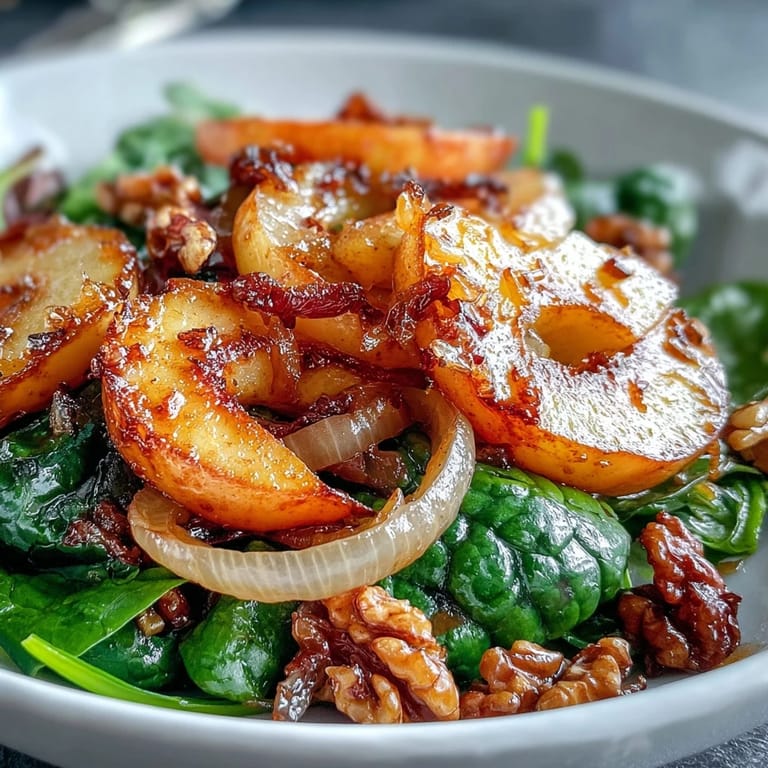
Save This salad has become my quiet proof that nourishment and joy don't have to be separate things. Serve it warm, share it freely, and watch what happens when people discover that fermented food can taste like celebration.
Recipe Guide
- → What does apple and sauerkraut taste like together?
The combination creates a perfect sweet-tangy balance. Caramelized apples add natural sweetness that complements the fermented tang of sauerkraut, while onions and caraway seeds add depth. The honey enhances the fruit's sweetness, making it an approachable dish even for sauerkraut skeptics.
- → Can I serve this cold instead of warm?
While best served warm or at room temperature, you can enjoy leftovers chilled. The flavors meld beautifully overnight, making it an excellent make-ahead option. Just bring it to room temperature before serving for the best texture.
- → What main dishes pair well with this skillet?
This versatile side shines alongside roast pork, German sausages, or roasted chicken. It also complements hearty vegetarian mains like lentil loaf or stuffed portobello mushrooms. The bright, tangy flavors cut through rich meats beautifully.
- → Can I make this ahead for meal prep?
Absolutely! Prepare the caramelized apple and sauerkraut mixture up to 3 days in advance. Store in an airtight container and reheat gently, adding fresh greens just before serving to prevent wilting. Toast nuts right before serving for maximum crunch.
- → Is this dish gut-healthy?
Yes! Sauerkraut is naturally rich in probiotics that support digestive health. Using it gently warmed (not boiled) preserves beneficial bacteria. Combined with fiber from apples and nutrient-dense greens, this makes a nourishing choice for gut wellness.
- → What apple varieties work best?
Honeycrisp and Gala are excellent choices for their balance of sweetness and texture that holds up during cooking. Fujis or Braeburns also work well. Avoid very soft varieties like McIntosh, as they may become too mushy when caramelized.