 Save
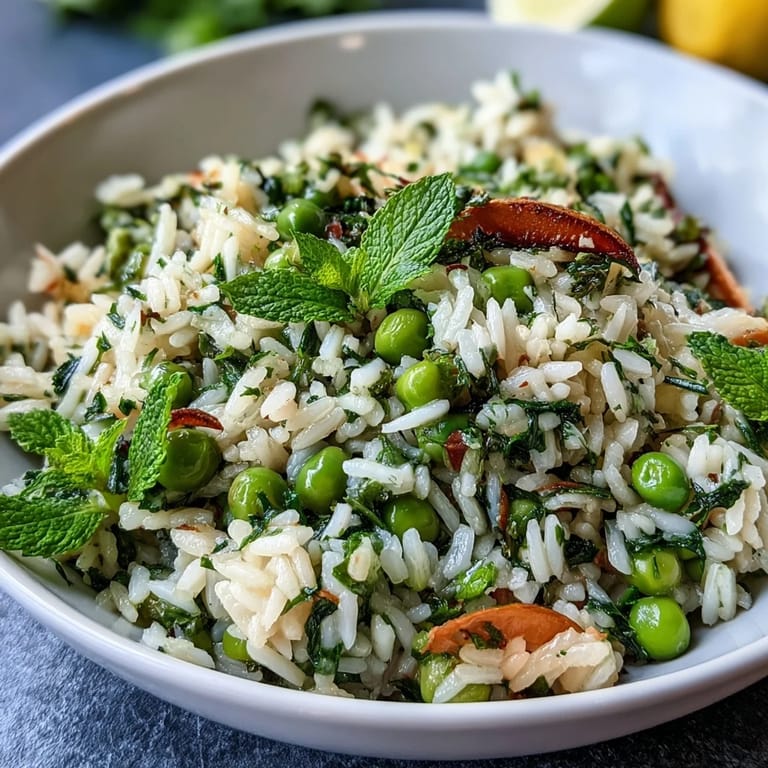
Save My neighbor stopped by one April afternoon with a basket of just-picked peas from her garden, and I knew instantly what needed to happen in my kitchen that evening. There's something about the brightness of spring peas that makes you want to celebrate them simply, without heavy sauces or complicated techniques. I threw together this pilaf almost on instinct, letting the mint do most of the talking, and it became the kind of dish people ask you to make again. That first bite—butter-soft rice meeting sweet peas and that cool mint finish—felt like spring had finally arrived on the table.
I made this for a small Easter gathering last year, and what struck me was how my picky-eating nephew went back for seconds without being asked. His mom whispered that he usually picks out herbs, but something about the way the mint melts into warm rice won him over. That's when I realized this dish has a quiet magic to it—it doesn't announce itself, it just makes people happy.
Ingredients
- Long-grain white rice (1 cup): Basmati or jasmine work best because they stay fluffy and separate instead of clumping together; rinsing the rice beforehand removes excess starch and prevents mushiness.
- Low-sodium vegetable broth (2 cups): The broth is your foundation—using low-sodium means you control the salt level and can taste the subtle sweetness of the peas.
- Fresh or frozen spring peas (1 cup): Frozen peas are honestly just as good as fresh here because they're picked and frozen at peak sweetness; add them straight from the freezer with no thawing.
- Yellow onion (1 small, finely chopped): The onion disappears into the rice but builds flavor as it softens in the butter, creating a savory base that makes everything else taste more like itself.
- Unsalted butter (2 tablespoons): Butter coats each grain and carries the flavor of the garlic and onion throughout; you're essentially blooming your aromatics in it.
- Garlic (2 cloves, minced): Just 30 seconds in the hot butter is enough to wake it up without letting it burn or turn bitter.
- Fresh mint leaves (1/2 cup, finely chopped): This is the star—add it at the very end so it stays bright and aromatic instead of turning dark and muted from the heat.
- Fresh flat-leaf parsley (2 tablespoons, optional): Parsley is there if you want it, adding earthiness without competing with the mint's fresh personality.
- Lemon zest (1 teaspoon): A whisper of lemon zest ties everything together and prevents the pilaf from feeling heavy or one-note.
- Salt and black pepper: Taste as you go—you'll be adjusting at the end anyway, and that's perfectly fine.
Tired of Takeout? 🥡
Get 10 meals you can make faster than delivery arrives. Seriously.
One email. No spam. Unsubscribe anytime.
Instructions
- Rinse your rice:
- Place the rice in a fine mesh strainer and run cold water over it, stirring gently with your fingers until the water runs clear—this takes about a minute and removes the starch that would otherwise make your pilaf gummy.
- Build your flavor base:
- Melt butter in a medium saucepan over medium heat, then add the chopped onion and let it soften for 2 to 3 minutes until it turns translucent and smells sweet. You'll notice the butter foaming slightly—that's exactly what you want.
- Wake up the garlic:
- Stir in the minced garlic and cook for just 30 seconds until the kitchen smells fragrant; any longer and it starts to toast.
- Toast the rice:
- Add the rinsed rice to the pan and stir constantly for about a minute so every grain gets coated in the butter and aromatics—this step adds a subtle toasted flavor that makes the finished pilaf taste more complex.
- Add your liquid:
- Pour in the vegetable broth, add salt and pepper, then bring the whole thing to a boil over medium-high heat. You'll see the liquid bubble up around the rice.
- Let it steam:
- Reduce heat to low, place a lid on the saucepan, and let it simmer undisturbed for 15 minutes—resist the urge to peek or stir because you want the rice to steam gently and absorb the liquid evenly.
- Add the peas:
- After 15 minutes, stir in the peas (frozen or fresh, it doesn't matter), cover again, and cook for 5 more minutes until the rice is tender and all the liquid has been absorbed. The peas will thaw and warm through in those final minutes.
- Rest and fluff:
- Turn off the heat, keep the lid on, and let the pilaf sit for 5 minutes so the grains can finish setting up and the steam can distribute evenly.
- Finish it off:
- Remove the lid and fluff everything gently with a fork, then fold in the fresh mint, parsley if you're using it, and lemon zest—the residual heat will release the mint's aromatic oils without cooking away its brightness.
- Taste and serve:
- Give it a taste and adjust the salt and pepper if needed, then serve warm with lemon wedges on the side if you like.
 Save
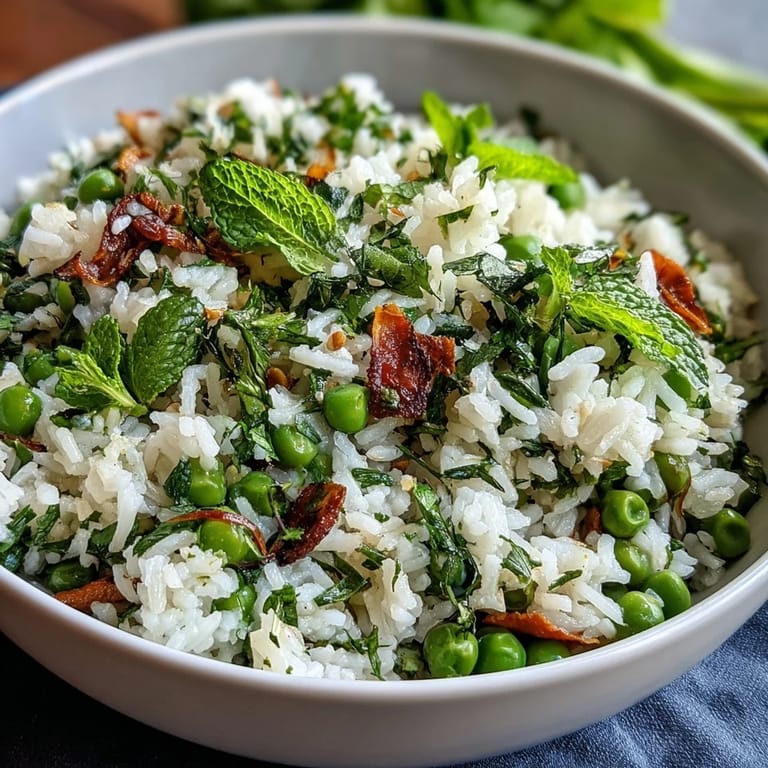
Save There's a moment when you fluff that rice and the steam rises up, carrying the smell of butter and mint straight into your face, that you realize why this dish is so special. It's simple enough that nothing can go wrong, but the flavors land with surprising sophistication.
Timing and Make-Ahead Tips
You can chop your onion and garlic the night before and store them in the fridge—just keep them separate so the garlic doesn't turn blue or lose its punch. The rice itself should be rinsed and cooked fresh, but the pilaf reheats beautifully if you have leftovers: gently warm it on the stove with a splash of broth, cover it, and let the steam bring it back to life in about 3 minutes. I usually refresh the mint when I reheat because it loses some brightness overnight.
Why This Works as a Side Dish
The reason this pilaf plays so well with ham or roasted chicken is that it doesn't compete—the mint and lemon zest are bright enough to cut through richness without being loud about it. The butter makes it feel indulgent, but the peas and fresh herbs keep it light enough that you don't feel weighed down. It's the kind of side that makes people wonder why you aren't making it every week.
Variations and Flexibility
This recipe is more forgiving than you might think, and it genuinely improves when you make it your own. I've seen people add diced snap peas for crunch, swap half the butter for olive oil for a lighter touch, or throw in chopped scallions at the end instead of parsley. One friend uses half vegetable broth and half chicken broth for extra depth, and it's delicious. The beauty is that the peas and mint carry the dish no matter what, so you can experiment without fear of ruining it.
- For a vegan version, use plant-based butter or olive oil and stick with vegetable broth—the flavor remains vibrant and fresh.
- Add a pinch of cardamom or a tiny bit of cumin if you want earthiness, though honestly, I prefer to let the mint shine.
- If you're feeding a crowd, this recipe doubles easily in a larger pot without changing the timing.
 Save
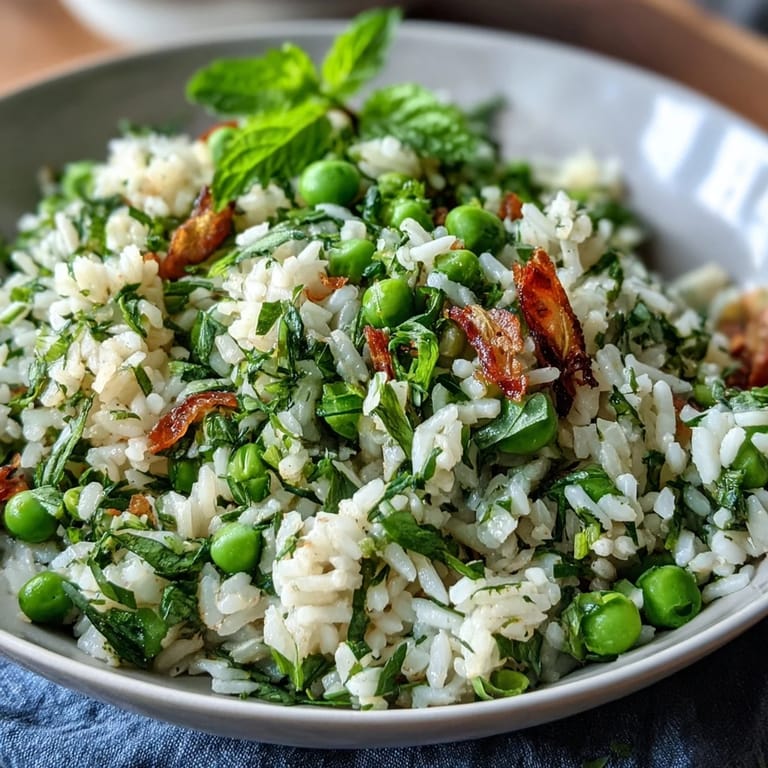
Save This pilaf reminds me why I love cooking—it's modest, honest, and somehow more satisfying than dishes that demand hours of attention. Make it when spring feels real, or whenever you need to remember that good food doesn't have to be complicated.
Recipe Guide
- → Can I use frozen peas in this pilaf?
Yes, frozen peas can be added directly from the freezer during the last cooking stage, maintaining sweetness and texture.
- → What type of rice works best for this dish?
Long-grain varieties like basmati or jasmine are ideal for fluffy, separate grains and aromatic qualities.
- → How can I adjust the herb flavors?
Fresh mint is key for brightness; adding chopped parsley or chives can provide additional herbal notes.
- → Is there a way to make this dish vegan-friendly?
Replace butter with plant-based alternatives or olive oil to keep the richness while accommodating a vegan diet.
- → Can this pilaf be prepared ahead of time?
Yes, it can be made in advance and gently reheated with a splash of broth to restore moisture.