 Save
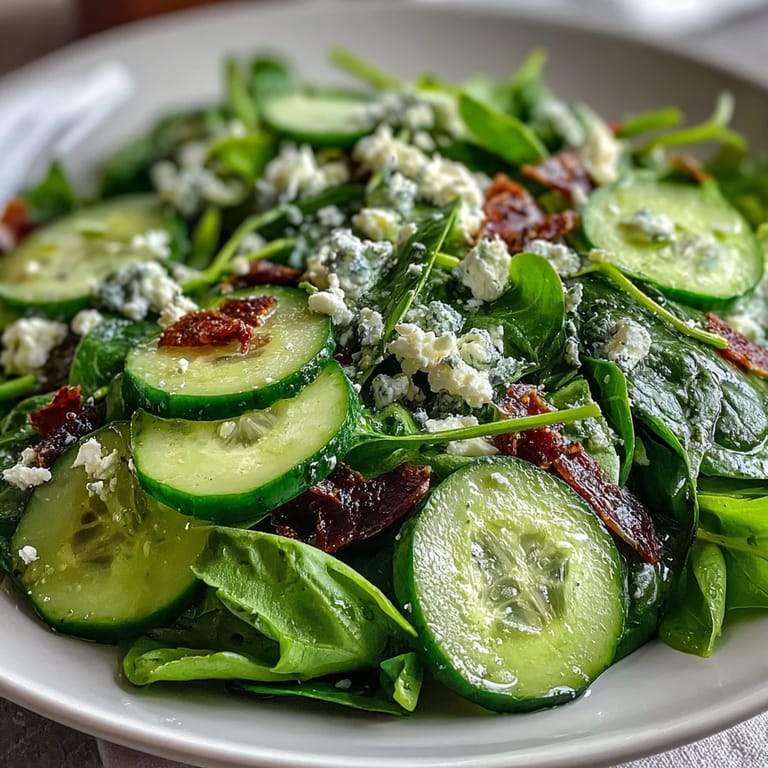
Save There's something about spring that makes you want to serve a salad that actually tastes like the season—bright, crisp, alive. I discovered this lemon vinaigrette combination while standing in my kitchen on an unexpectedly warm March afternoon, staring at a bunch of radishes I'd grabbed from the farmer's market without a real plan. The tanginess of fresh lemon juice hitting those peppery, paper-thin slices felt like the right answer to the question of what to make for guests arriving in an hour. This salad has since become my go-to when I want something that looks effortless but tastes intentional.
I'll never forget serving this to my neighbors at an impromptu gathering, watching someone who typically skips salad come back for thirds. That moment taught me that the difference between a forgettable salad and one people remember isn't fancy ingredients—it's the balance between acid and oil, and understanding that a little bit of honey and mustard can make all the difference in how those flavors land on your tongue.
Ingredients
- Mixed baby greens: Use a combination of arugula, spinach, and tender lettuces for layers of flavor and texture; baby greens wilt less quickly than larger varieties and make plating feel naturally abundant.
- Radishes: The real MVP here—slice them as thin as you possibly can on a mandoline or with a sharp knife, as thinner slices mean more surface area to soak up that zingy vinaigrette.
- Cucumber: Choose a firm one and slice it thin so it stays crisp; watery cucumbers can make the whole salad soggy if you dress it too far in advance.
- Scallions: These add an onion bite without being overwhelming; slice them on a slight bias so they look intentional.
- Extra virgin olive oil: Don't skimp here—you'll taste the difference between good oil and mediocre, and this is one place where quality actually matters.
- Freshly squeezed lemon juice: Bottled lemon juice tastes flat in comparison; fresh juice brings brightness that bottled simply can't match.
- Dijon mustard: This is your emulsifier and flavor anchor, preventing the vinaigrette from separating and adding subtle complexity.
- Honey: A touch of honey balances the acidity and rounds out the flavors; maple syrup works beautifully if you're keeping things vegan.
- Garlic clove: Mince it finely so it distributes evenly; one small clove is plenty to flavor the entire salad without overwhelming it.
- Fresh dill and chives: These herbs are essential—they taste like spring and add a final layer of freshness that makes the whole dish sing.
- Feta cheese: Crumbled feta adds creamy tanginess, but feel free to swap for goat cheese or skip entirely for vegan.
Tired of Takeout? 🥡
Get 10 meals you can make faster than delivery arrives. Seriously.
One email. No spam. Unsubscribe anytime.
Instructions
- Make your vinaigrette first:
- In a small bowl or jar, whisk together olive oil, lemon juice, Dijon mustard, honey, minced garlic, salt, and pepper until the mixture emulsifies and becomes cohesive. You'll know it's ready when the texture changes from separated and oily to creamy and unified.
- Prepare your greens:
- Arrange mixed baby greens on a large serving platter or in a salad bowl, spreading them out gently so there's room for everything else. If your greens are wet from washing, pat them dry with a clean kitchen towel—water is the enemy of a good vinaigrette.
- Layer your vegetables:
- Scatter the paper-thin radishes, cucumber slices, and scallions evenly over the greens, distributing them so every bite has a mix of flavors and textures. This is where the visual appeal happens—take a moment to make it look intentional.
- Dress just before serving:
- Drizzle the lemon vinaigrette over the salad and gently toss to combine, making sure the dressing reaches all the greens without crushing them into submission. This is the crucial moment that separates a crisp salad from a wilted one.
- Finish with herbs and cheese:
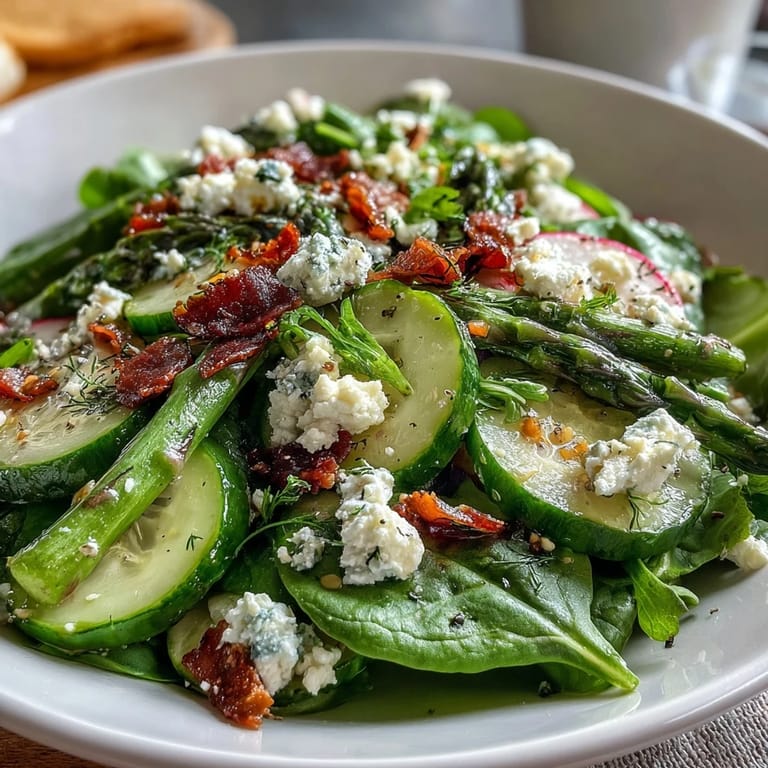
- Sprinkle fresh dill, sliced chives, and crumbled feta cheese over the top, then serve immediately while everything is at peak crispness. The freshness of these final additions is what makes people ask for the recipe.
 Save
Save There's a quiet satisfaction in watching people discover that a simple salad can be the most interesting thing on the table. This dish reminds me that sometimes the most memorable meals aren't about complexity or showing off—they're about respecting your ingredients and trusting that the right balance of flavors will speak for itself.
Why Radishes Are the Secret Weapon
Radishes spend most of their lives playing second fiddle in salads, and it's genuinely unfair. When you slice them thin and let them sit in a bright vinaigrette, their natural peppery bite actually mellows slightly while their crunch intensifies, creating this unexpected textural and flavor contrast that makes people lean in and ask what they're eating. I once had someone refuse radishes their whole life until they tried them this way—it completely changed their perspective on what this humble vegetable could do.
The Emulsification Secret
The Dijon mustard and honey in this vinaigrette are doing way more work than they appear to be. The mustard acts as an emulsifier, helping the oil and lemon juice stay together rather than separating into two depressing layers, while the honey adds sweetness that softens the acid without making the dressing taste dessert-like. I learned this the hard way after making dozens of vinaigrettes that looked grainy and separated by the time I got them to the table, until I finally understood that a little bit of mustard was the magic ingredient I'd been missing.
Variations and Pairing Ideas
This salad is naturally flexible, which is part of why I keep making it. You can add toasted walnuts or sliced almonds for extra crunch and richness, toss in thinly sliced strawberries or snap peas for sweetness and variety, or swap the feta for goat cheese if you want something creamier. Serve it alongside grilled fish, roasted chicken, or fresh pasta, and pair it with a crisp Sauvignon Blanc or dry Rosé to let the salad's brightness sing alongside your wine.
- Add a handful of toasted walnuts or almonds if you want the salad to feel more substantial and satisfying.
- Fresh strawberries or snap peas work beautifully if you want to add sweetness and play with textures.
- Make it vegan by using maple syrup instead of honey and omitting the feta cheese entirely—it's just as delicious.
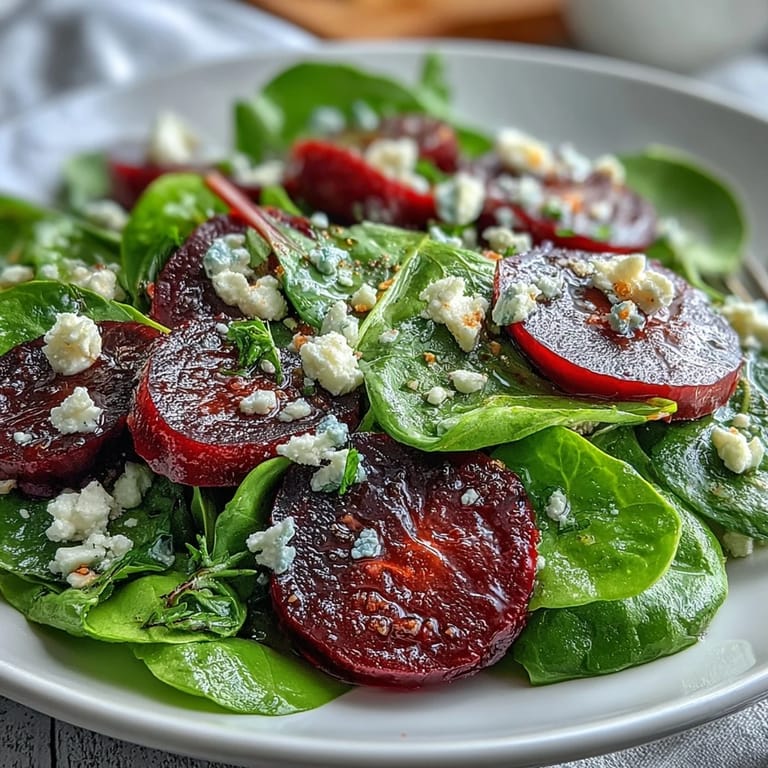 Save
Save This salad has become my answer to the question of what to bring to a spring gathering or what to serve when you want something that feels effortless but tastes like you actually thought about it. It's proof that sometimes the simplest recipes are the ones worth holding onto.
Recipe Guide
- → How do I make the lemon vinaigrette dressing?
Whisk together olive oil, freshly squeezed lemon juice, Dijon mustard, honey, minced garlic, sea salt, and black pepper until smooth and emulsified.
- → Can I make this salad vegan?
Yes, omit the feta cheese and replace honey with maple syrup to keep it vegan-friendly.
- → What greens work best for this salad?
Use a mix of baby greens such as arugula, spinach, and baby lettuces for a fresh, tender base.
- → Are there recommended garnishes to enhance flavor?
Chopped fresh dill and sliced chives add herbaceous notes, while crumbled feta provides creaminess if desired.
- → How should I serve this salad for best taste?
Drizzle the vinaigrette just before serving and toss gently to combine. Serve immediately for optimal freshness and texture.