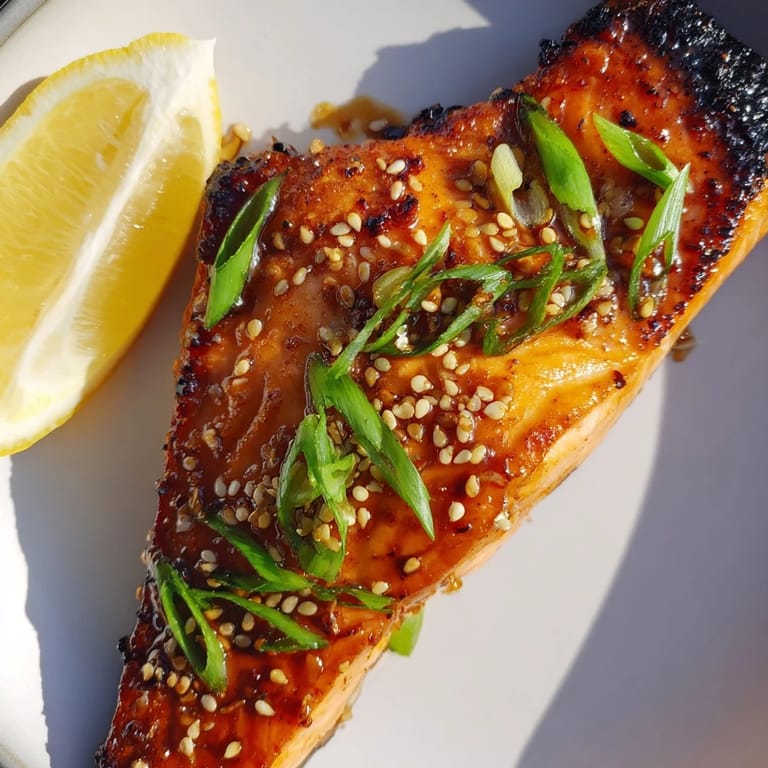
 Save
Save I was standing at the fish counter, staring at the salmon, when the woman beside me said she always ruins it. Too dry, she said, or it sticks to the pan. I told her about this glaze, how it clings to the fish and keeps everything moist, how the ginger cuts through the richness. She bought two fillets. I like to think she didn't ruin them.
The first time I made this, I served it to my brother, who claims he doesn't like fish. He ate two pieces and asked if there was more. I didn't tell him I'd been nervous about the timing, that I almost overcooked it. He just kept eating, scraping the glaze off his plate with a fork. That's when I knew this recipe worked.
Ingredients
- Skin-on salmon fillets: The skin crisps up beautifully in the pan and protects the flesh from drying out, so don't skip it even if you don't plan to eat it.
- Kosher salt and black pepper: Just enough to season the fish without competing with the glaze, which does most of the flavor work here.
- Low-sodium soy sauce: Regular soy sauce will make this too salty once it reduces, so go low-sodium and adjust at the end if you need to.
- Honey: It thickens the glaze and balances the salty soy with a gentle sweetness that doesn't taste like dessert.
- Freshly grated ginger: The fresh stuff has a bright, almost spicy kick that ground ginger can't match, and it makes the whole dish come alive.
- Garlic, minced: Two cloves are enough to add depth without overpowering the ginger or the fish.
- Rice vinegar: A tablespoon cuts the sweetness and adds a subtle tang that keeps the glaze from feeling heavy.
- Sesame oil: Just a teaspoon gives a nutty, toasted flavor that ties everything together.
- Toasted sesame seeds and green onions: Optional, but they add crunch and color and make the plate look like you tried.
Tired of Takeout? 🥡
Get 10 meals you can make faster than delivery arrives. Seriously.
One email. No spam. Unsubscribe anytime.
Instructions
- Prep the salmon:
- Pat the fillets completely dry with paper towels, then season both sides with salt and pepper. Moisture on the surface will stop the skin from crisping, so take your time here.
- Mix the glaze:
- Whisk together the soy sauce, honey, ginger, garlic, rice vinegar, and sesame oil in a small bowl until the honey dissolves. It should smell sharp and a little sweet.
- Heat the pan:
- Get a large nonstick or cast iron skillet screaming hot over medium-high heat. You can add a tiny bit of neutral oil, but if your pan is good, you won't need it.
- Sear skin-side down:
- Lay the salmon fillets skin-side down in the hot pan and don't touch them for four full minutes. The skin will release when it's ready, and you'll hear it sizzle the whole time.
- Flip and cook:
- Turn the fillets gently with a spatula and cook for another two to three minutes on the flesh side. The salmon should still be a little translucent in the center.
- Add the glaze:
- Turn the heat down to medium-low and pour the glaze over the salmon. Spoon it over the fillets constantly for two to three minutes, watching it thicken and cling to the fish.
- Serve:
- Pull the pan off the heat and plate the salmon immediately, spooning any extra glaze from the pan over the top. Garnish with sesame seeds, green onions, and a wedge of lemon or lime if you like.
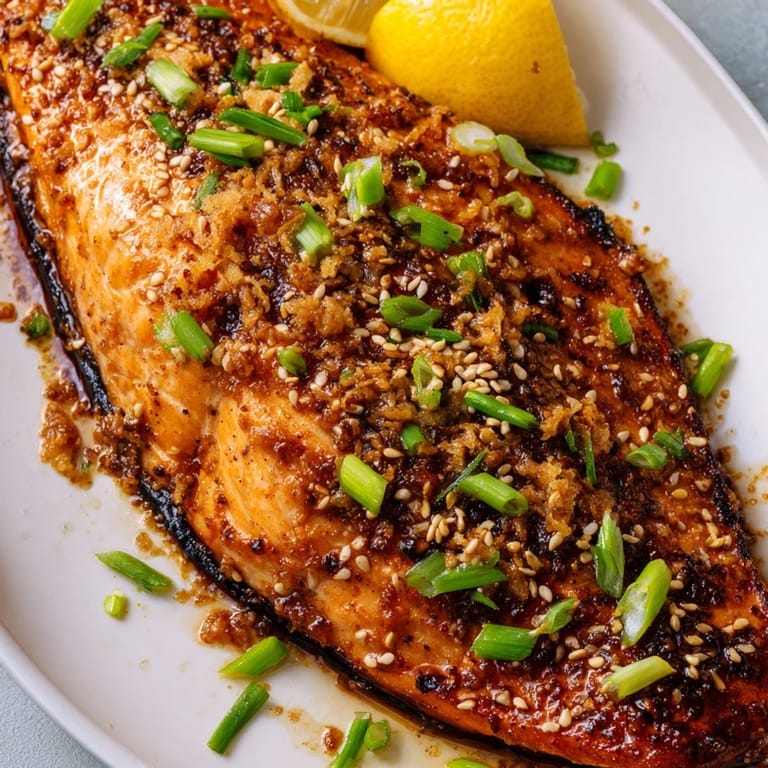 Save
Save I made this on a night when I was too tired to think. The glaze bubbled in the pan, the salmon turned golden, and I realized I'd been holding my breath. When I plated it, it looked like something I'd order out. I sat down, took a bite, and felt a little proud. Sometimes that's enough.
What to Serve With It
I usually pile steamed jasmine rice on the plate and let the glaze soak into it, or I'll throw together some sautéed bok choy with garlic. Roasted broccoli works too, or even a cold cucumber salad if you want something crisp and light to balance the richness of the fish.
How to Know When It's Done
The salmon should flake easily with a fork but still look a little glossy in the center, not dry or chalky. If you have a thermometer, you're aiming for about 125 to 130 degrees in the thickest part, but I usually just press it gently with my finger and trust the feel.
Ways to Change It Up
Sometimes I add half a teaspoon of red chili flakes to the glaze if I want heat, or I'll swap the honey for maple syrup when that's what I have. You could use tamari instead of soy sauce if you need it gluten-free, and brown sugar works in place of honey if you're out.
- Try adding a squeeze of fresh orange juice to the glaze for a citrusy twist.
- Swap salmon for thick cod or halibut fillets if that's what looks good at the store.
- Toss leftover glazed salmon over cold noodles the next day with cucumber and more green onions.
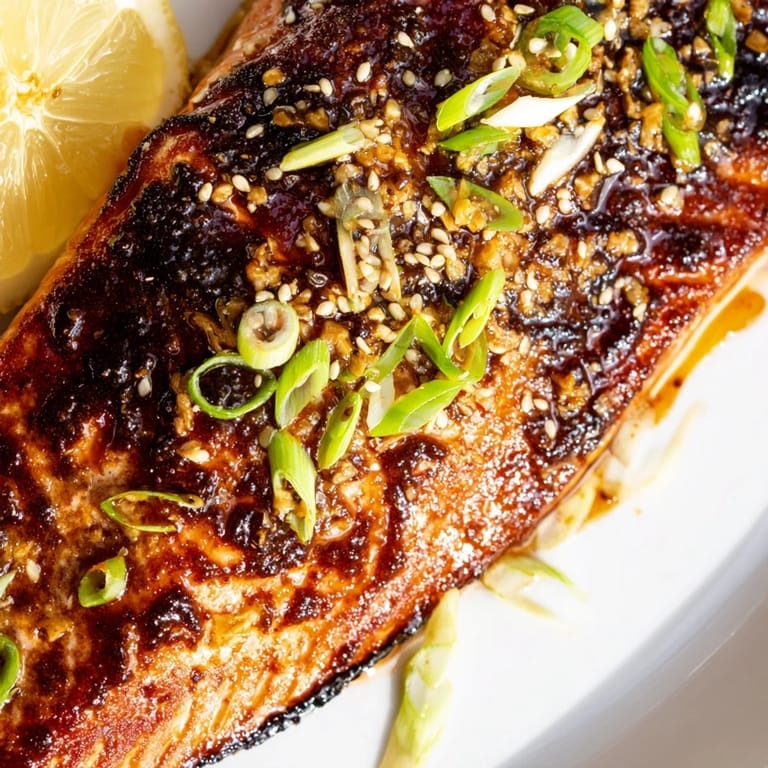 Save
Save This is the kind of recipe you make when you want to feel capable, when you need dinner to work without drama. It always does.
Recipe Guide
- → How do I achieve a crispy skin on the salmon?
Ensure the fillets are patted dry before seasoning, then sear skin-side down in a hot skillet without moving for 4 minutes until the skin crisps up beautifully.
- → Can I adjust the sweetness of the glaze?
Yes, you can substitute honey with maple syrup or brown sugar, or adjust the quantity to suit your preferred sweetness level.
- → Is it possible to add heat to the glaze?
Adding 1/2 teaspoon of red chili flakes to the glaze mixture adds a subtle spicy kick that complements the sweet and savory flavors.
- → What sides pair well with this dish?
Steamed rice, sautéed greens, or roasted vegetables make excellent accompaniments that balance the rich glaze.
- → How do I ensure the salmon is cooked perfectly?
After searing, cook with the glaze on medium-low heat for 2-3 minutes until salmon is just cooked through while the glaze thickens slightly.